Maintaining a healthy digestive system is foundational to your overall well-being, yet it is often an aspect of health that many of us overlook until discomfort arises. We have all experienced that sluggish, heavy feeling that comes after a period of poor eating habits.
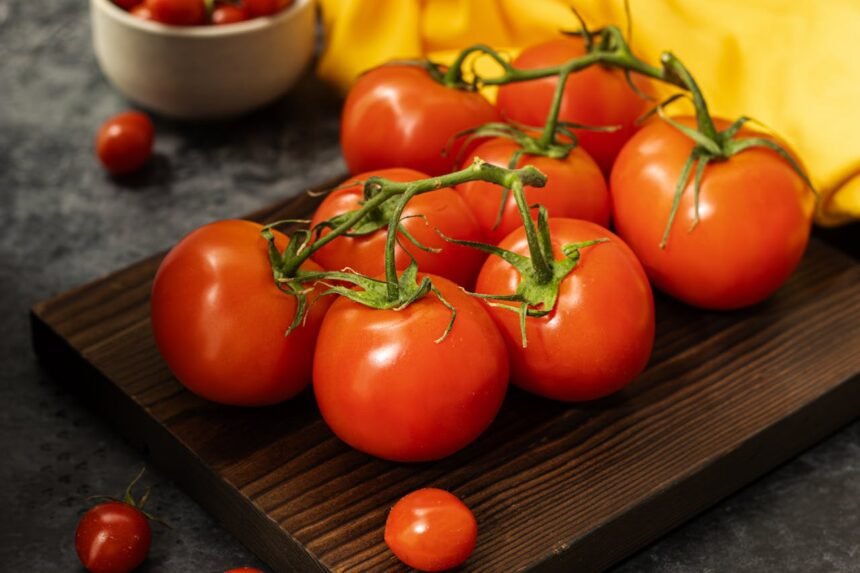
While complex supplements and restrictive diets often dominate the headlines, the solution to better gut health is frequently found in simple, whole ingredients. Tomatoes are a staple in kitchens across the UK, loved for their vibrant colour and rich umami flavour. However, on their own, they are only moderately high in fibre.
By pairing tomatoes with fibre-rich powerhouses like pulses, whole grains, and leafy greens, you can transform humble meals into digestive aids. Increasing your fibre intake is proven to lower the risk of heart disease, stroke, type 2 diabetes, and bowel cancer.
This article explores how you can utilise tomatoes as a base for high-fibre meals, providing you with delicious, science-backed recipes to support your gut microbiome.
Overview
Digestive health refers to the efficient breakdown of food and the absorption of nutrients. Central to this process is dietary fibre, a type of carbohydrate that your body cannot digest. Instead of being broken down, it passes through your stomach, small intestine, and colon relatively intact.
Tomatoes are an excellent starting point for a gut-friendly diet. They are rich in water, which aids hydration—a crucial partner to fibre in digestion—and contain the antioxidant lycopene. According to Healthline, tomatoes are a major dietary source of the antioxidant lycopene, which has been linked to many health benefits, including reduced risk of heart disease and cancer.
However, a medium-sized tomato contains only about 1.5 grams of fibre. The UK government guidelines suggest adults should aim for 30g of fibre a day. To turn a tomato-based meal into a digestive super-meal, we must incorporate other high-fibre ingredients.
Symptoms and causes of low fibre intake
Before diving into the recipes, it is vital to understand why these meals are necessary. A diet low in fibre is a primary cause of digestive distress in the UK.
Symptoms of fibre deficiency:
- Constipation: Infrequent bowel movements or difficulty passing stools.
- Fatigue: Sluggish digestion can impact your energy levels.
- Hunger: Low-fibre foods move through the digestive tract quickly, leaving you feeling hungry soon after eating.
- Blood sugar spikes: Fibre helps regulate the absorption of sugar.
Causes of these symptoms:
The modern Western diet often relies heavily on processed foods where the natural fibre has been stripped away. Refined grains, sugary snacks, and a lack of plant-based foods contribute significantly to this deficit.
The NHS emphasizes that choosing wholegrains and eating plenty of fruit and vegetables is essential for normalizing bowel movements and feeding the ‘good’ bacteria in your gut.

Diagnosis and treatment: The recipes
If you have identified that your diet requires an upgrade, the ‘treatment’ is a strategic shift towards whole, plant-based ingredients. Below are four scientifically structured recipes designed to maximise fibre content without sacrificing flavour.
1. Robust Red Lentil and Roasted Tomato Soup
Lentils are a nutritional powerhouse. When combined with roasted tomatoes, they create a soup that is both comforting and incredibly high in fibre.
Why it works:
Lentils are rich in both soluble and insoluble fibre. Soluble fibre dissolves in water to form a gel-like substance, which can help lower blood cholesterol and glucose levels.
Ingredients:
- 1 kg vine tomatoes, halved
- 200g red lentils (dried)
- 1 onion, chopped
- 2 cloves garlic
- 1 litre vegetable stock
Method:
Roast the tomatoes and garlic in the oven until charred. Meanwhile, simmer the lentils and onion in the vegetable stock. According to BBC Good Food, lentils also provide a great source of iron. Blend the roasted tomatoes with the lentil mixture. This meal provides approximately 8g of fibre per serving.
2. Quinoa Stuffed Beef Tomatoes
Replacing white rice with quinoa significantly boosts the nutrient profile of stuffed vegetables. Quinoa is technically a seed and constitutes a complete protein.
Why it works:
Using the hollowed-out tomato as a vessel allows for a high volume of vegetable consumption. Mixing quinoa with black beans adds a double dose of fibre.
Ingredients:
- 4 large beef tomatoes
- 150g quinoa (cooked)
- 100g black beans (canned, rinsed)
- 1 tsp cumin and paprika
Method:
Slice the tops off the tomatoes and scoop out the insides (save this for a sauce). Mix the cooked quinoa, black beans, and spices with the tomato pulp. Stuff the tomatoes and bake for 20 minutes. This dish is excellent for maintaining steady energy levels.
3. Whole Wheat Pasta with Chunky Vegetable Marinara
It is a common misconception that pasta is bad for you. Whole wheat pasta contains the bran and germ of the grain, retaining valuable nutrients.
Why it works:
By using whole wheat pasta instead of white, you instantly double your fibre intake. Adding chunky vegetables like courgettes and peppers to the tomato base increases the volume of food without significantly increasing calories.
Ingredients:
- 300g whole wheat penne
- 1 can chopped tomatoes
- 1 courgette, diced
- 1 red pepper, diced
- 1 tbsp tomato purée
Method:
Sauté the vegetables until soft, then add the chopped tomatoes and purée to simmer. Toss with the cooked whole wheat pasta. The British Nutrition Foundation highlights that a diverse range of plant foods is key to a healthy gut microbiome. This dish offers diversity in every bite.
4. Chickpea and Spinach Tomato Stew
Chickpeas are one of the most versatile legumes available. This stew is hearty, warming, and packed with roughage from the spinach.
Why it works:
Spinach wilts down significantly, allowing you to consume a large quantity of leafy greens easily. Chickpeas provide bulk and satiety.
Ingredients:
- 1 can chickpeas (drained)
- 1 can cherry tomatoes
- 200g fresh spinach
- 1 tsp turmeric (anti-inflammatory properties)
Method:
Simmer the tomatoes and chickpeas with turmeric for 15 minutes. Stir in the spinach right at the end until it wilts. Serve this with a slice of wholemeal bread for an extra fibre boost.
Fibre Content Comparison
Understanding the numbers can help you make better choices. Here is a breakdown of the key ingredients used in these recipes.
| Ingredient (100g) | Fibre Content (approx) | Primary Benefit |
|---|---|---|
| Raw Tomatoes | 1.2g | Hydration & Lycopene |
| Red Lentils (cooked) | 7.9g | Soluble Fibre |
| Chickpeas (cooked) | 7.6g | Satiety & Protein |
| Whole Wheat Pasta | 4.5g | Insoluble Fibre |
| Quinoa (cooked) | 2.8g | Complete Protein |
| Spinach | 2.2g | Vitamins A & K |
Tips for management
Managing your digestive health is not just about one meal; it is about consistent habits. When introducing high-fibre tomato recipes into your diet, consider the following management strategies to avoid discomfort.
Increase Intake Gradually
If your body is not used to a high-fibre diet, suddenly eating large amounts of lentils or beans can cause bloating and gas. Guts UK advises that while fibre is beneficial, a sudden increase can overwhelm the gut bacteria, leading to wind. Start with one high-fibre meal every other day and build up gradually.
Prioritise Hydration
Fibre works like a sponge; it absorbs water to bulk up stools and help them pass easily. Without enough fluid, fibre can actually cause constipation rather than cure it. The Eatwell Guide from GOV.UK recommends drinking 6 to 8 cups or glasses of fluid a day.
Diversify Your Sources
Don’t rely solely on one type of fibre. While tomatoes are great, ensure you are getting fibre from cereals, nuts, and seeds as well. This variety ensures you get a mix of vitamins and minerals. The BDA (The Association of UK Dietitians) suggests that fresh, frozen, and canned fruit and vegetables all count towards your 5-a-day.
Watch for Acid Reflux
Tomatoes are naturally acidic. For some people, this can trigger heartburn or GERD (Gastro-oesophageal Reflux Disease). If you are sensitive, you can manage this by removing the seeds or adding a pinch of baking soda to your sauces to neutralise the acidity without altering the flavour significantly.
Understanding Soluble vs Insoluble
It helps to know which type of fibre you are eating. Insoluble fibre (found in whole wheat and tomato skins) adds bulk to the stool. Soluble fibre (found in lentils and chickpea interiors) draws in water. Heart UK explains that soluble fibre can also help lower cholesterol, adding a cardiovascular benefit to your digestive efforts.
Frequently asked questions
Can I use canned tomatoes instead of fresh?
Yes, absolutely. Canned tomatoes are often processed at the peak of freshness and can actually contain higher levels of lycopene than fresh tomatoes that have travelled long distances. Just be mindful of added salt. Cancer Research UK notes that a healthy diet rich in fibre and fruit and veg can reduce cancer risk, and canned options are a convenient way to achieve this.
Will the tomato skins irritate my gut?
For most people, tomato skins are an excellent source of insoluble fibre. However, if you have Diverticulitis or severe IBS, you might be advised to avoid tough skins. In this case, you can blanch and peel the tomatoes before cooking. Always consult your GP or dietician for specific advice.
Does cooking reduce the fibre content?
Cooking generally does not destroy fibre. In fact, cooking breaks down the cellular walls of the plant, which can sometimes make the fibre easier for your body to process. Cooking tomatoes also increases the bioavailability of lycopene.
How does fibre affect blood sugar?
Fibre slows down the digestion of carbohydrates. This means that glucose enters your bloodstream at a slower, more steady rate, preventing spikes. Diabetes UK confirms that a high-fibre diet is beneficial for managing and preventing type 2 diabetes.
The bottom line
Incorporating high-fibre tomato recipes into your weekly meal plan is a delicious and effective strategy for improving digestive health. By combining the antioxidant properties of tomatoes with fibre-rich legumes, whole grains, and vegetables, you create meals that support regular bowel movements, feed healthy gut bacteria, and provide sustained energy.
Remember to increase your fibre intake slowly and drink plenty of water to allow your digestive system to adapt. Whether it is a hearty lentil soup or a fresh quinoa-stuffed tomato, these recipes offer a simple path to a healthier gut without compromising on taste.
Start small, be consistent, and listen to your body as you adjust to a more fibre-rich lifestyle.