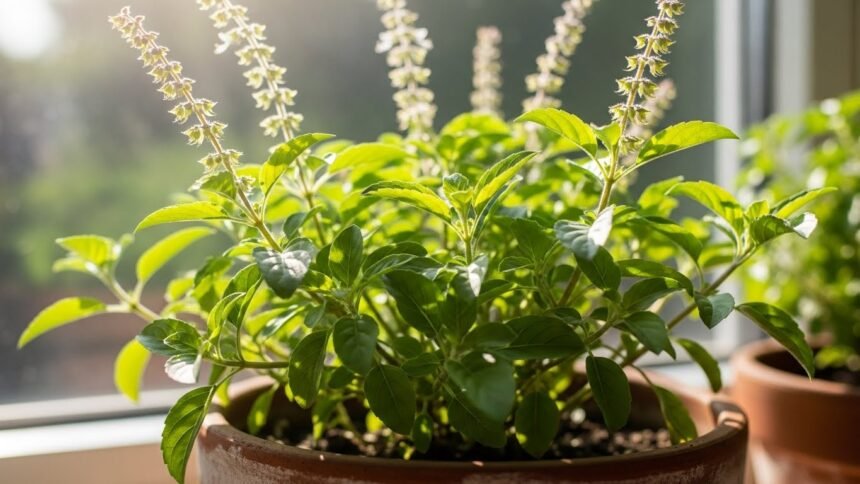
In an era where gastrointestinal discomforts are increasingly prevalent, professionals across healthcare disciplines are re-evaluating traditional remedies alongside conventional treatments. Among these, Holy Basil, scientifically known as Ocimum tenuiflorum and revered as Tulsi in Ayurvedic medicine, stands out for its profound therapeutic potential. This blog post delves into Tulsi’s role in gastric health, offering a professional perspective on its efficacy as a natural antacid and its broader gastroprotective benefits, drawing upon both ancient wisdom and contemporary scientific understanding.
Understanding Gastric Health Challenges in Modern Society
Gastric health issues, ranging from occasional indigestion to chronic conditions like Gastroesophageal Reflux Disease (GERD) and peptic ulcers, impact a significant portion of the global population. These conditions often stem from an imbalance in digestive acids, inflammation of the gastric mucosa, or impaired digestive motility. The symptomatic relief offered by conventional antacids, proton pump inhibitors (PPIs), and H2 blockers, while effective in acute management, frequently comes with concerns regarding long-term side effects, nutrient malabsorption, and potential rebound effects. This scenario underscores the critical need for holistic and sustainable approaches to gastric wellness, prompting a renewed interest in evidence-based natural remedies. According to the American College of Gastroenterology, GERD affects approximately 20% of the U.S. population, highlighting the widespread nature of these challenges.
Holy Basil (Tulsi): An Ancient Remedy Re-evaluated
Tulsi, meaning “the incomparable one” in Sanskrit, has been a cornerstone of Ayurvedic medicine for thousands of years. Beyond its spiritual significance, it is celebrated as a powerful adaptogen, renowned for its ability to help the body adapt to stress and maintain homeostasis. Its traditional applications span a wide spectrum of ailments, including respiratory issues, stress management, and, critically, digestive complaints. Modern research is increasingly validating these ancient claims, focusing on its complex phytochemical composition and multifaceted pharmacological actions. The National Center for Complementary and Integrative Health (NCCIH) acknowledges adaptogens like Holy Basil for their potential to support overall well-being and stress response.
Phytochemical Profile and Mechanisms of Action
The therapeutic prowess of Holy Basil for gastric health is attributed to its rich array of bioactive compounds. Key constituents include:
- Eugenol: This phenolic compound is a primary active ingredient, well-researched for its anti-inflammatory, antioxidant, and analgesic properties. In the gastric context, eugenol helps protect the stomach lining by increasing mucus secretion and reducing acid production, thereby mitigating irritation and promoting healing. Research published in reputable journals often highlights eugenol’s role in gastroprotection, as detailed by articles indexed on platforms like ScienceDirect.
- Ursolic Acid: A pentacyclic triterpenoid, ursolic acid contributes to Tulsi’s anti-inflammatory and anti-ulcerogenic effects. It supports the integrity of the gastric mucosa and helps inhibit the growth of Helicobacter pylori, a common pathogen associated with gastritis and peptic ulcers.
- Rosmarinic Acid: Known for its potent antioxidant and anti-inflammatory activities, rosmarinic acid helps scavenge free radicals that can damage gastric cells and reduces inflammation within the digestive tract.
- Flavonoids (e.g., orientin, vicenin): These compounds offer significant antioxidant protection, shielding gastric tissues from oxidative stress, a key factor in the pathogenesis of various gastric disorders.
- Essential Oils: Beyond eugenol, other volatile oils contribute to Tulsi’s carminative and anti-spasmodic effects, aiding digestion and reducing discomfort from bloating and gas.
Collectively, these compounds exert several beneficial mechanisms for gastric health:
- Anti-inflammatory Action: By modulating inflammatory pathways, Tulsi can reduce inflammation in the gastric lining, a common underlying factor in conditions like gastritis and reflux esophagitis.
- Antioxidant Protection: Its potent antioxidant capacity combats oxidative stress, protecting gastric mucosal cells from damage caused by free radicals and harmful substances.
- Mucosal Protection: Tulsi enhances the production of gastric mucus and bicarbonate, which form a protective barrier against stomach acid and digestive enzymes, thereby preventing erosion and promoting repair.
- Anti-ulcerogenic Properties: Studies suggest that Tulsi can reduce ulcer index and accelerate ulcer healing by strengthening mucosal defenses and inhibiting acid secretion.
- Adaptogenic Effects: By helping the body manage stress, Tulsi indirectly benefits gastric health, as stress is a well-known trigger for various digestive disturbances, including dyspepsia and GERD exacerbations. The link between stress and gastrointestinal function is well-documented by institutions such as Harvard Health Publishing.
Tulsi as a Natural Antacid: Beyond Symptom Relief
While conventional antacids primarily neutralize stomach acid or reduce its production, Tulsi offers a more comprehensive approach. Instead of merely alleviating symptoms, it aims to restore gastric balance by:
- Modulating Acid Secretion: While not as potent or immediate as pharmaceutical PPIs, Tulsi has shown promise in regulating gastric acid secretion, preventing hyperacidity without completely abolishing the essential acidic environment needed for digestion.
- Strengthening Gastric Barriers: By enhancing mucus and bicarbonate production, Tulsi builds the body’s natural defenses, making the stomach more resilient to acid damage.
- Addressing Underlying Inflammation: Its anti-inflammatory properties tackle the root cause of many gastric issues, rather than just managing the symptoms of inflammation.
- Combating Pathogens: Some components show mild antimicrobial activity, potentially assisting in managing conditions exacerbated by bacterial overgrowth or H. pylori infections.
This holistic action differentiates Tulsi as a natural antacid that supports overall gastrointestinal integrity rather than solely offering symptomatic relief.
Comparative Analysis: Tulsi vs. Conventional Antacids
To better understand Tulsi’s place in gastric health protocols, a comparison with conventional antacids is useful:
| Feature | Holy Basil (Tulsi) | Conventional Antacids (e.g., Tums, Maalox) | Proton Pump Inhibitors (PPIs) (e.g., Omeprazole) |
|---|---|---|---|
| Mechanism of Action | Adaptogenic, gastroprotective, anti-inflammatory, antioxidant, mucosal strengthening, modulates acid. | Neutralizes existing stomach acid. | Blocks acid production at the cellular level. |
| Onset of Action | Gradual, cumulative benefits over time. | Rapid (minutes). | Slow (hours), but prolonged effect. |
| Duration of Effect | Sustained with regular use; long-term support. | Short (1-3 hours). | Long (up to 24 hours). |
| Focus | Holistic gastric health, underlying causes, stress adaptation. | Immediate symptom relief. | Strong acid suppression, ulcer healing. |
| Side Effects (Common) | Generally well-tolerated; mild GI upset in some. | Constipation/diarrhea, acid rebound (with overuse). | Headache, nausea, diarrhea, long-term concerns (e.g., nutrient deficiencies, kidney issues). |
| Long-Term Use | Generally considered safe; beneficial for maintenance. | Not recommended for chronic use due to rebound acid and mineral imbalances. | Potential for significant side effects, requires medical supervision. |
| Interactions | Potential with blood thinners, hypoglycemic drugs. | Minimal, but can affect absorption of other drugs. | Numerous drug interactions, especially with chronic use. |
| Cost | Relatively low for supplements/tea. | Low. | Varies, can be moderate to high without insurance. |
This table highlights that while Tulsi may not offer the immediate symptomatic relief of conventional antacids, its long-term, multi-pronged benefits make it a valuable adjunct for maintaining gastric health and potentially reducing reliance on pharmacological interventions for mild to moderate conditions. Further information on general antacid effects can be found at the U.S. National Library of Medicine.
Scientific Evidence and Clinical Perspectives
While centuries of traditional use attest to Tulsi’s efficacy, contemporary scientific research is providing an evidence base. Numerous in vitro and in vivo studies, particularly those involving animal models, have demonstrated Tulsi’s gastroprotective, anti-ulcerogenic, and adaptogenic properties. These studies support its role in strengthening the gastric mucosal barrier, reducing gastric acid secretion, and combating oxidative stress. For instance, some research available through databases like PubMed indicates Holy Basil’s efficacy in animal models of stress-induced ulcers.
However, it is crucial to note that large-scale human clinical trials specifically evaluating Tulsi as a standalone antacid or for chronic gastric conditions are still emerging. Most current human research focuses on its adaptogenic or anti-stress properties, with gastric benefits often observed as secondary outcomes. Professionals must interpret existing data with caution, recognizing the need for more robust, randomized controlled trials to fully ascertain optimal dosages, long-term safety, and definitive efficacy in human populations for specific gastric pathologies. Organizations like ClinicalTrials.gov provide a repository for ongoing and completed human studies.
Incorporating Tulsi into Gastric Health Protocols
For healthcare professionals considering Tulsi as part of a natural remedies approach to gastric health, several considerations are paramount:
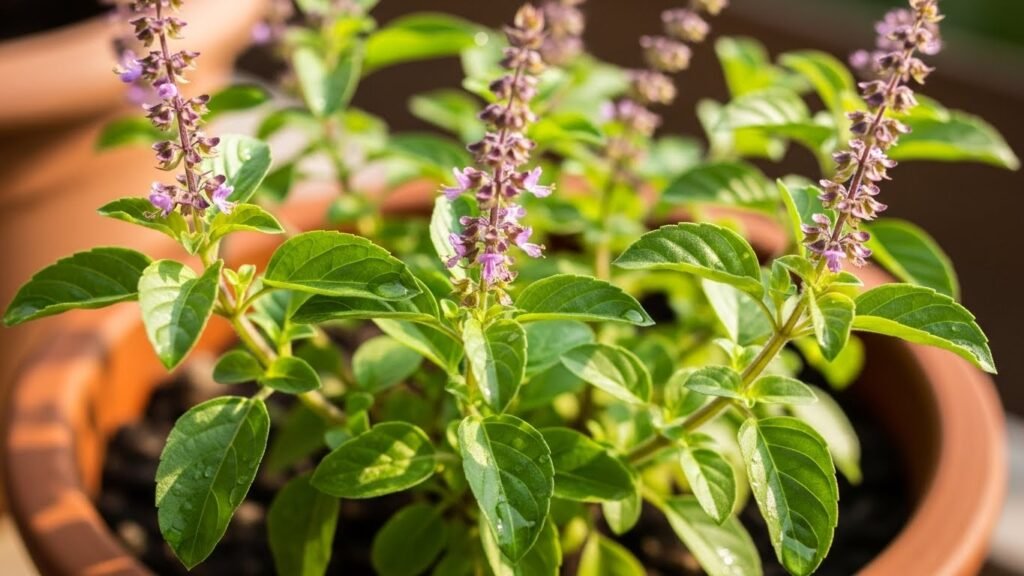
- Forms and Dosages: Tulsi is available in various forms, including fresh leaves (e.g., for “basil antacid chew”), dried leaf tea, capsules, tinctures, and essential oils. For gastric health, a standardized extract in capsule form or a strong decoction (tea) is often preferred for consistent dosing of active compounds. Typical dosages range from 500-1000 mg of standardized extract daily, or 2-3 cups of strong Tulsi tea. However, these are general guidelines, and individualized dosing based on patient needs and product concentration is advisable.
- Professional Consultation: Tulsi should be considered an adjunct therapy and not a replacement for prescribed medications, especially in severe or chronic conditions. A qualified healthcare professional, ideally one with expertise in integrative medicine, should always be consulted before incorporating Tulsi, particularly for individuals on existing medications, pregnant or lactating women, or those with underlying health conditions.
- Potential Interactions: While generally safe, Tulsi may interact with certain medications. Due to its potential anti-coagulant properties, caution is advised for individuals on blood thinners like warfarin. It may also affect blood sugar levels, necessitating monitoring in diabetic patients.
- Quality and Sourcing: Emphasize sourcing high-quality, organic Tulsi products from reputable manufacturers to ensure purity, potency, and absence of contaminants.
Frequently Asked Questions (FAQ)
Q1: Is Tulsi safe for long-term use for gastric issues?
A1: Holy Basil is generally considered safe for long-term use when consumed within recommended dosages. Its adaptogenic nature makes it suitable for sustained support of the body’s stress response and gastric resilience. However, individuals with specific health conditions or those on medication should consult a healthcare professional.
Q2: How quickly can one expect relief from gastric symptoms using Tulsi?
A2: Unlike conventional antacids that provide rapid, immediate relief, Tulsi’s effects are typically more gradual and cumulative. While some may experience subtle improvements within a few days, significant benefits, especially related to mucosal protection and inflammation reduction, usually become noticeable after consistent use over several weeks.
Q3: Can Tulsi replace my prescription medication for GERD or ulcers?
A3: No. Tulsi should not replace prescribed medications for conditions like GERD or ulcers without explicit guidance from a qualified healthcare provider. It can serve as a complementary therapy to support gastric health and potentially reduce the reliance on medication over time, but always under professional supervision.
Q4: What form of Tulsi is most effective for gastric health?
A4: For targeted gastric benefits, standardized extracts in capsule form are often preferred due to consistent dosing of active compounds. However, strong decoctions (teas) made from fresh or dried leaves can also be beneficial, providing a more traditional “basil antacid chew” experience in a liquid form.
Q5: Are there any significant side effects of using Tulsi for gastric health?
A5: Tulsi is generally well-tolerated. Rare side effects might include mild nausea or diarrhea in sensitive individuals, especially at very high doses. As noted, it may interact with blood-thinning and blood-sugar-lowering medications, so professional advice is crucial for those on such therapies. More detailed safety profiles can be found from sources like Memorial Sloan Kettering Cancer Center.
Conclusion
Holy Basil (Tulsi) represents a powerful example of how traditional natural remedies can offer sophisticated, multi-targeted support for gastric health. Its rich phytochemical profile contributes to anti-inflammatory, antioxidant, and adaptogenic effects, providing a holistic approach to managing digestive discomforts and promoting mucosal integrity. While robust human clinical trials are still needed to fully establish its role in specific gastric pathologies, the existing scientific evidence, coupled with millennia of traditional use, positions Tulsi as a valuable natural antacid and gastroprotective agent. Healthcare professionals are encouraged to consider Tulsi as part of an integrated strategy for gastric wellness, always emphasizing personalized care, informed patient education, and a balanced approach that respects both modern medicine and time-honored natural remedies.