Finding a dietary strategy that feels sustainable rather than restrictive is often the hardest part of any weight loss journey. We have all been there—standing in the supermarket aisle, overwhelmed by conflicting advice, wondering if there is a simple, natural way to support our metabolic health without resorting to fad diets. While no single food acts as a magic bullet for shedding pounds, specific nutrient-dense vegetables can significantly tip the scales in your favour.
Broccoli, a humble cruciferous vegetable, has long been championed by parents and health professionals alike. However, its role extends far beyond merely being ‘good for you’. Recent nutritional science suggests that broccoli for weight loss is a highly effective strategy due to its unique combination of high fibre, low energy density, and powerful bioactive compounds. By understanding the mechanisms behind how this vegetable interacts with your metabolism, you can transform it from a boring side dish into a powerful tool for health.
In this article, we explore the science behind broccoli’s impact on body weight, practical ways to prepare it for maximum benefit, and answer common questions about incorporating it into your daily routine.
What Makes Broccoli a Weight Loss Superfood?
To understand why broccoli is so effective for weight management, we must look beyond the calorie count. While it is incredibly low in calories, its metabolic impact is profound. It influences satiety, blood sugar regulation, and even the way your body stores fat.
High Fibre and Satiety
One of the primary mechanisms by which broccoli supports weight loss is its impressive fibre content. Dietary fibre is crucial because it slows down digestion and adds bulk to your meals. According to the NHS Live Well guide, fibre helps you feel fuller for longer, which can naturally reduce your overall calorie intake throughout the day without the need for strict portion control.
Soluble fibre, found in the florets, dissolves in water to form a gel-like substance in the gut. This process slows gastric emptying, meaning you are less likely to experience the sharp hunger pangs that often lead to snacking on processed foods. Insoluble fibre, primarily in the stalks, adds bulk to stools and supports a healthy digestive transit, preventing the bloating often associated with sluggish digestion.
The Role of Sulforaphane
Perhaps the most exciting component of broccoli is a compound called sulforaphane. This is a sulphur-rich compound found in cruciferous vegetables. Research suggests that sulforaphane may help prevent diet-induced obesity by enhancing energy expenditure and improving the gut microbiome.
A study highlighted in Nature indicates that sulforaphane can help turn ‘white’ fat (energy storage) into ‘beige’ fat (energy burning). This metabolic switch is vital for those looking to improve their metabolic rate. Furthermore, sulforaphane supports the body’s natural detoxification pathways, reducing oxidative stress and inflammation—two factors often elevated in individuals carrying excess weight.
Low Energy Density
Energy density refers to the amount of calories in a specific weight of food. Broccoli has an exceptionally low energy density. You can eat a large volume of broccoli for very few calories, triggering the stretch receptors in your stomach that signal to your brain that you are full.
This concept, often referred to as ‘volumetrics’, allows you to physically fill your plate without overconsuming energy. Replacing high-calorie, low-nutrient foods (like white pasta or chips) with a large portion of steamed broccoli can reduce the calorie content of a meal by hundreds while actually increasing the volume of food you get to eat.
Optimising Broccoli for Metabolic Health
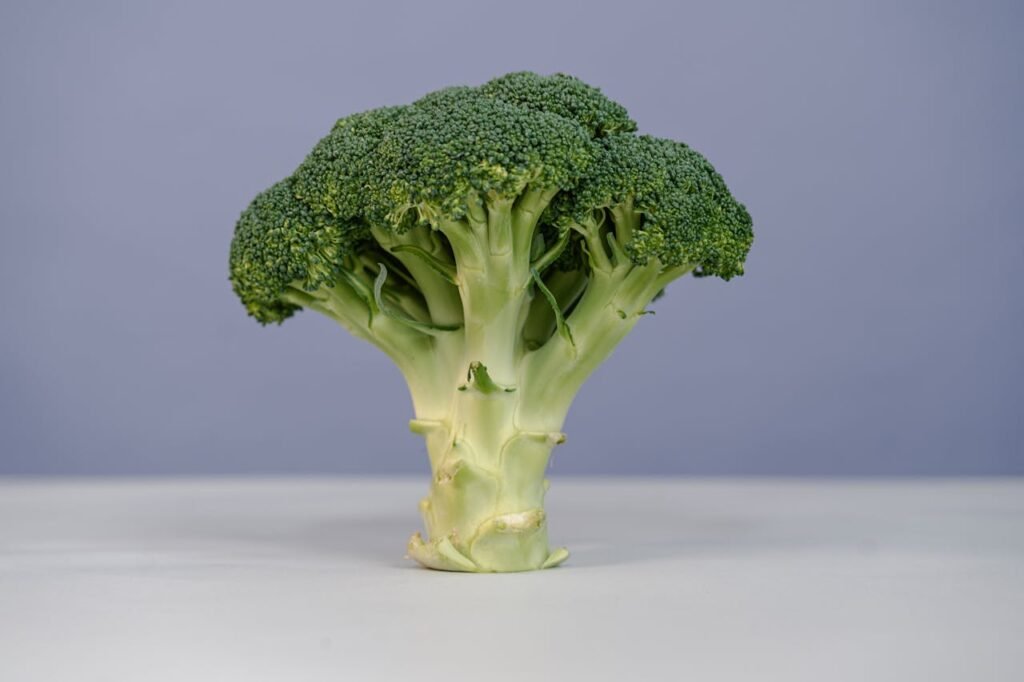
Simply eating broccoli is a good start, but how you prepare it matters immensely. The bioavailability of its nutrients—especially sulforaphane—can be destroyed by improper cooking methods. To truly harness broccoli for weight loss, you need to treat it with care in the kitchen.
1. The Importance of Preparation
Boiling broccoli for long periods leaches out water-soluble vitamins like Vitamin C and B vitamins. More critically, it destroys the enzyme myrosinase, which is required to convert glucoraphanin into active sulforaphane.
- Steaming: This is the gold standard. Steaming for 3-4 minutes until bright green retains the most nutrients.
- Microwaving: Surprisingly, microwaving with a small amount of water is also effective at preserving nutrients, provided you do not overcook it.
- Chopping and Waiting: To maximise sulforaphane production, chop your broccoli and let it sit for 40 minutes before cooking. This activates the myrosinase enzyme before heat is applied.
2. Pairing with Healthy Fats
While broccoli is virtually fat-free, many of its vitamins (like Vitamin K and Vitamin A) are fat-soluble. This means your body needs dietary fat to absorb them efficiently. Pairing broccoli with a healthy fat source not only improves nutrient absorption but also further slows digestion, keeping blood sugar levels stable.
- Olive Oil: Drizzle extra virgin olive oil over steamed broccoli.
- Avocado: Add broccoli to a salad containing avocado.
- Nuts and Seeds: Sprinkle toasted almonds or sesame seeds for crunch and healthy fats.
Maintaining stable blood glucose is essential for weight loss. According to Diabetes UK, foods with a low Glycaemic Index (GI) help prevent the insulin spikes that promote fat storage. Broccoli has a very low GI, making it an ideal staple for blood sugar management.
3. Consistency and Variety
Eating a massive bowl of broccoli once a week is less effective than consistent, moderate intake. Aim to include a serving of cruciferous vegetables in at least one meal every day.
Variety is also key to preventing diet fatigue. You can roast it with spices like turmeric and black pepper (which aids absorption), blend it into soups, or even shave the raw stalks into slaws. The British Heart Foundation recommends varied portion sizes of fruit and vegetables to ensure a broad spectrum of micronutrients that support heart health and metabolism.
Nutritional Comparison: Broccoli vs. Alternatives
Below is a breakdown of how broccoli compares to other common sides, highlighting why it is superior for weight loss goals.
| Nutrient (per 100g) | Steamed Broccoli | Boiled White Rice | Boiled Potato | Raw Spinach |
|---|---|---|---|---|
| Calories | ~35 kcal | ~130 kcal | ~87 kcal | ~23 kcal |
| Carbohydrates | 7g | 28g | 20g | 3.6g |
| Fibre | 3.3g | 0.4g | 1.8g | 2.2g |
| Protein | 2.4g | 2.7g | 1.9g | 2.9g |
| Vitamin C | 65mg | 0mg | 7mg | 28mg |
| Glycaemic Load | Very Low | High | Medium | Very Low |
Frequently Asked Questions
Here are some common queries regarding the consumption of broccoli for weight loss and general health.
Can I eat too much broccoli?
While it is difficult to consume a toxic amount of broccoli due to its volume, increasing your fibre intake too suddenly can cause digestive discomfort. Gas and bloating are common if your gut bacteria are not used to breaking down high-fibre foods. It is best to increase your intake gradually and drink plenty of water. Refer to Healthline’s guide on high-fibre foods for more context on managing intake.
Is raw broccoli better than cooked for weight loss?
Raw broccoli contains active myrosinase, which is great for sulforaphane production. However, raw cruciferous vegetables can be hard to digest for some people and may cause bloating. Lightly steaming is often the best compromise—it softens the fibre for digestion while retaining the majority of the nutrients. If you enjoy raw broccoli, it is perfectly healthy, but chew it thoroughly.
What about thyroid health?
There is a common concern that cruciferous vegetables act as goitrogens, substances that can interfere with thyroid function. For the vast majority of people, normal consumption of broccoli is perfectly safe. The British Thyroid Foundation notes that you would need to consume excessive amounts of raw cruciferous vegetables to negatively impact thyroid function, especially if you have adequate iodine intake. Cooking the broccoli reduces this potential effect significantly.
Can broccoli help with belly fat specifically?
No food targets fat loss in just one area of the body; ‘spot reduction’ is a myth. However, broccoli aids in reducing visceral fat (fat around the organs) by improving insulin sensitivity. Lower insulin levels signal the body to stop storing fat and start burning it. By replacing refined carbohydrates with broccoli, you lower your overall insulin load, which disproportionately helps reduce belly fat over time.
The Bottom Line
Broccoli is far more than a childhood nemesis or a boring side dish; it is a metabolic powerhouse. Its ability to provide volume and satiety for very few calories makes it a cornerstone of any effective weight management plan. Beyond the scales, the high levels of fibre, Vitamin C, and sulforaphane support everything from your immune system to your long-term heart health.
However, remember that no single food works in isolation. Weight loss is the result of a holistic approach that includes a balanced diet, regular physical activity, and adequate sleep. As advised by Gov.uk Public Health guidelines, your diet should be varied and balanced.
To start, try adding a portion of steamed broccoli to your dinner tonight. Pair it with a source of lean protein and a healthy fat, and you will be taking a scientifically backed step towards better metabolic health. For more inspiration on healthy cooking, resources like BBC Food offer excellent recipes to keep your meals exciting.
Ultimately, broccoli for weight loss works because it aligns with the body’s natural needs: high nutrients, sufficient volume, and metabolic support. By making it a regular habit, you prioritise your health in a sustainable, effective way.