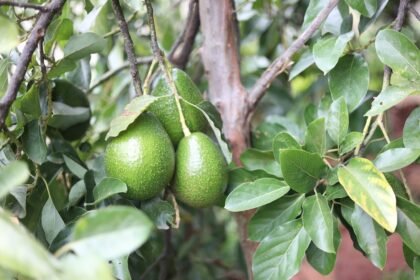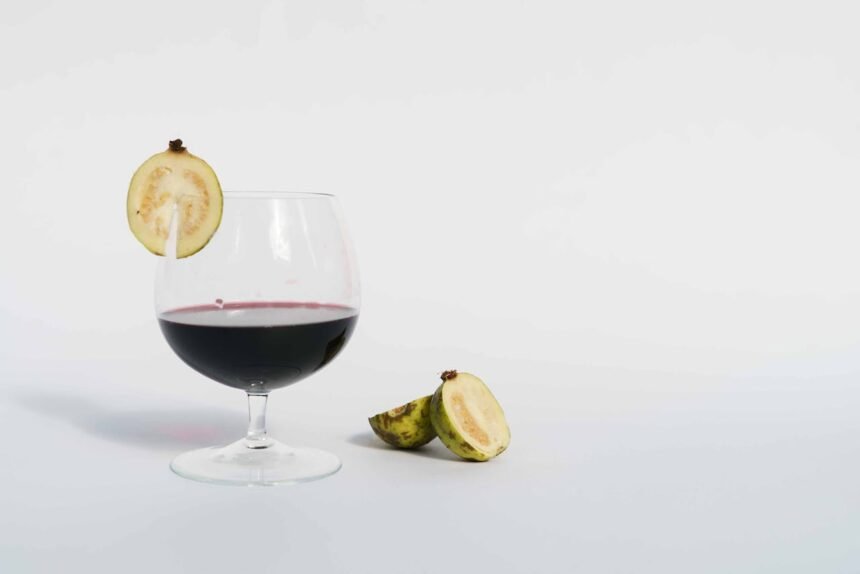
For anyone who has struggled with the mid-day shine or the constant need for blotting papers, the quest for the perfect skincare ingredient is never-ending. We often turn to harsh chemicals or drying alcohols to strip away the grease, only to find our skin rebelling by producing even more oil. Enter an unlikely hero from the tropical fruit aisle: Guava. While often celebrated for its distinct flavor and nutritional density, using guava for oily skin is a rapidly emerging trend in the dermatology and beauty sectors.
This article delves deep into the science behind Psidium guajava, exploring how this tropical powerhouse can regulate sebum, fight acne, and provide a natural, radiant glow without the grease.
The Physiology of Oily Skin: Why the Shine?
Before we can appreciate the solution, we must understand the problem. Oily skin is the result of overactive sebaceous glands. These microscopic glands in the skin secrete an oily, waxy substance called sebum. While sebum is vital for keeping skin hydrated and healthy, too much of it can lead to clogged pores and acne.
According to the American Academy of Dermatology, genetics, hormone fluctuations, and high-stress levels are primary contributors to excess oil production. However, environmental factors and the use of incorrect skincare products can exacerbate the issue. This is where natural intervention through bio-active ingredients like guava becomes essential.
The Nutritional Profile of Guava: A Skincare Superfood
Guava is not just a tasty treat; it is a biological goldmine for skin health. Its efficacy lies in its rich composition of vitamins, minerals, and antioxidants.
1. The Vitamin C Powerhouse
Surprisingly, guava contains four times the amount of Vitamin C found in oranges. Vitamin C is crucial for collagen synthesis and skin brightening. More importantly for oily skin types, it acts as a potent antioxidant that neutralizes free radicals caused by UV exposure and pollution.
2. Potassium and Magnesium
These minerals act as detoxifiers. As noted by Healthline, the high levels of potassium in guava help normalize blood pressure and fluid balance in the body, which translates to better hydration regulation in the skin cells—preventing the dehydration that often triggers excess oil production.
3. Lycopene and Carotenes
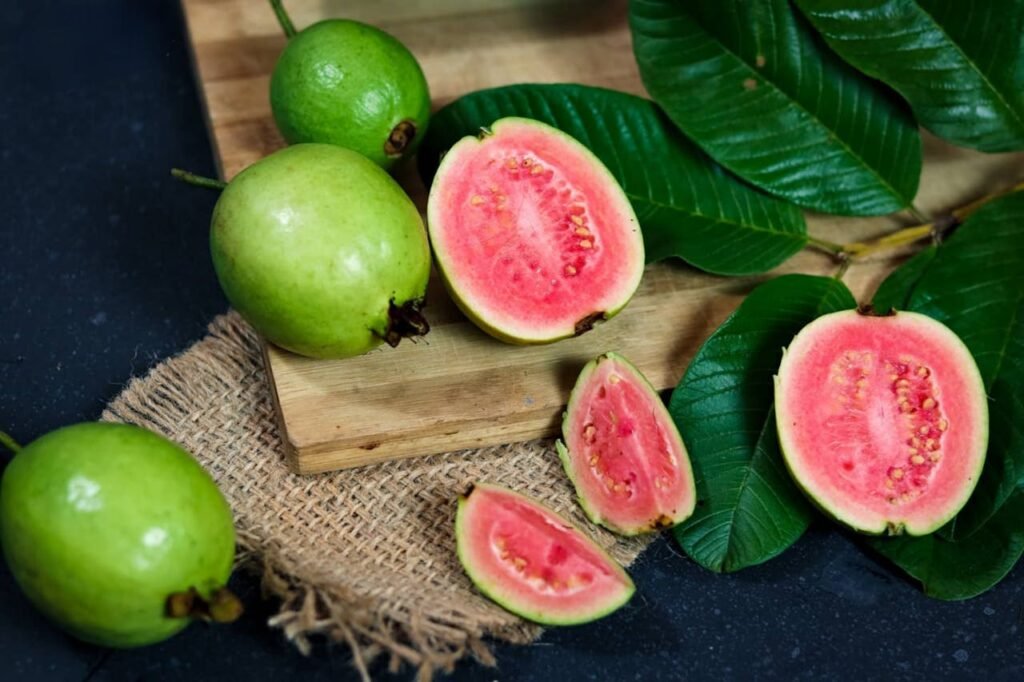
Guava, particularly the pink variety, is rich in lycopene. The National Institutes of Health (NIH) highlights that carotenoids protect the skin against photodamage, reducing the inflammation that often accompanies acne breakouts in oily skin types.
How Guava for Oily Skin Actually Works
Integrating guava into your routine targets the root causes of oily skin through three distinct mechanisms: astringency, antimicrobial action, and inflammation reduction.
Natural Astringency
One of the defining characteristics of guava for oily skin is its natural astringent properties. Unripe guava fruit and, more significantly, guava leaves contain tannins. Tannins are polyphenols that bind to proteins, causing tissues to contract. When applied topically, this results in tighter pores and a reduction in the visible flow of sebum.
Antimicrobial Defense
Oily skin is a breeding ground for Cutibacterium acnes, the bacteria responsible for acne. Research published on PubMed suggests that guava leaf extract possesses significant antimicrobial activity. By neutralizing surface bacteria, guava helps prevent the transition from simple oily skin to inflamed, acne-prone skin.
Anti-Inflammatory Benefits
Inflammation is a hallmark of acne and irritated skin. The flavonoids found in guava leaves inhibit inflammatory mediators. This calms the redness associated with breakouts and helps the skin heal faster without post-inflammatory hyperpigmentation.
Comparative Analysis: Guava vs. Standard Treatments
To understand where guava fits in your routine, let’s compare it to other popular ingredients used for oil control.
| Feature | Guava Extract | Salicylic Acid | Tea Tree Oil | Clay (Kaolin/Bentonite) |
|---|---|---|---|---|
| Primary Mechanism | Astringent & Antioxidant | Chemical Exfoliant (BHA) | Antimicrobial | Absorbent |
| Sebum Reduction | Moderate (Balances) | High (Deep cleans) | Moderate | High (Absorbs surface oil) |
| Hydration Factor | High (Non-drying) | Low (Can be drying) | Low (Can be drying) | Very Low (Drying) |
| Sensitizing Potential | Low | Moderate | High (If undiluted) | Low |
| Best For | Maintenance & Glow | Active Acne | Bacteria Control | Weekly Deep Clean |
As the table suggests, while Salicylic Acid is excellent for deep cleaning, it can strip the skin. Guava offers a unique middle ground: it controls oil while maintaining hydration, preventing the “rebound effect” where skin produces more oil to compensate for dryness.
Incorporating Guava into Your Routine
There are several ways to harness the power of this fruit, ranging from DIY home remedies to high-end formulations.
1. The Guava Leaf Toner (DIY)
This is perhaps the most effective method for controlling surface oil.
- Ingredients: A handful of fresh young guava leaves, 1 liter of water.
- Method: Boil the leaves in water for 15 minutes. Strain the liquid and let it cool. Transfer to a spray bottle.
- Usage: Use as a mist after cleansing. The tannins will tighten pores immediately.
2. Fruit Pulp Face Mask
For a brightening boost that removes excess grease:
- Ingredients: 2 tbsp blended guava pulp (remove seeds), 1 tsp honey.
- Method: Mix and apply to the face for 20 minutes. Rinse with cool water.
- Why it works: The enzymes in the fruit gently exfoliate, while the honey provides antibacterial support.
3. Commercial Skincare Products
Look for serums and moisturizers listing Psidium Guajava Fruit Extract or Leaf Extract. The FDA regulates cosmetic labeling, so ensure guava appears high on the ingredient list to guarantee potency.
The Gut-Skin Axis: Eating Your Way to Clear Skin
Topical application is only half the battle. What you eat profoundly impacts your sebum production. High-glycemic foods (sugar, white bread) spike insulin, which in turn triggers oil production.
Guava is a low-glycemic fruit with high fiber content. According to Harvard Health, low-glycemic diets may reduce acne severity. By snacking on guava instead of sugary treats, you regulate your blood sugar levels, indirectly calming your sebaceous glands. Furthermore, the high fiber content aids digestion, ensuring toxins are eliminated efficiently rather than surfacing through the skin.
Precautions and Considerations
While natural, guava is not devoid of risks.
- Allergic Reactions: Although rare, some individuals may be allergic to tropical fruits. Always perform a patch test on your inner arm before applying a full face mask. If redness or itching occurs, consult a professional. The Mayo Clinic offers guidelines on identifying food allergy symptoms.
- Exfoliation Sensitivity: Because guava contains natural acids and enzymes, combining it with Retinol or high-strength AHAs/BHAs might cause irritation. Introduce it slowly into your regimen.
Conclusion: Embracing the Tropical Solution
Managing oily skin is often a balancing act between removing excess grease and preserving the skin’s natural moisture barrier. Conventional products often tip the scale too far, leaving skin parched and irritated. Guava for oily skin offers a sophisticated, natural alternative.
With its unique combination of tannins for pore tightening, Vitamin C for brightness, and anti-inflammatory flavonoids, guava addresses the root causes of oily skin rather than just masking the symptoms. Whether you choose to boil leaves for a homemade toner or invest in guava-infused clinical skincare, this tropical fruit is poised to revolutionize your routine.
It is time to stop fighting your skin and start nourishing it. Tame the shine, embrace the glow, and let the power of nature restore balance to your complexion.
Disclaimer: This article is for informational purposes only and does not constitute medical advice. Always consult with a dermatologist before making significant changes to your skincare routine, especially if you have pre-existing skin conditions.