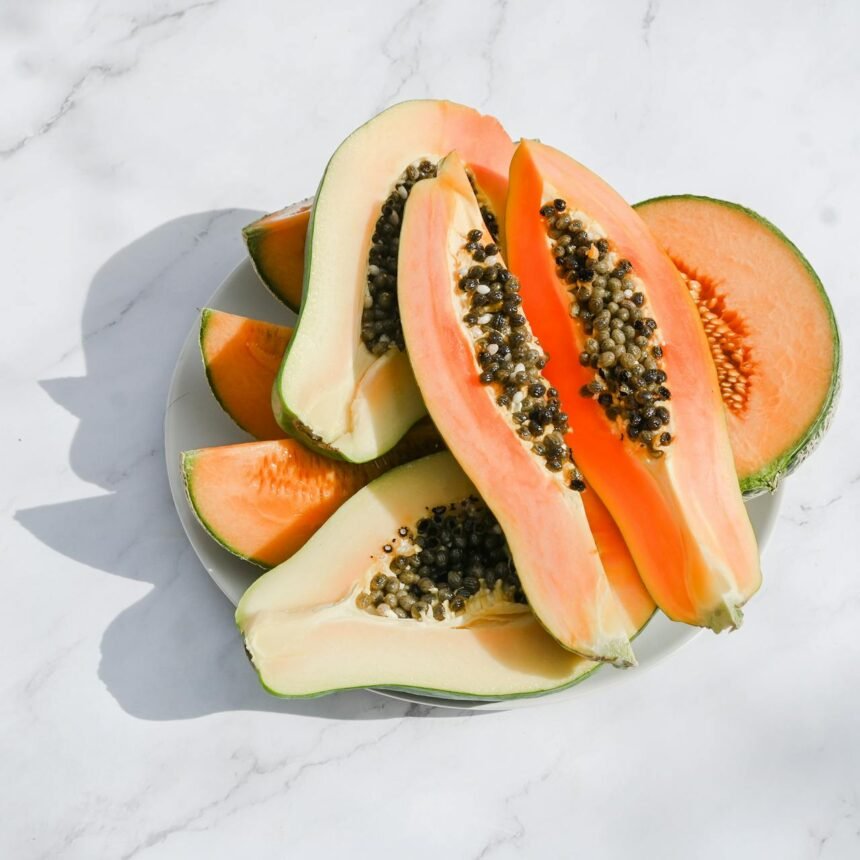
Indigestion, bloating, and that heavy feeling after a large meal are complaints that many of us know all too well.
In the UK, digestive discomfort is incredibly common, often exacerbated by stress, rapid eating, or rich foods. While reaching for an over-the-counter antacid is a standard response, many people are increasingly turning towards natural remedies to support their gut health.
One fruit, in particular, has garnered significant attention in the wellness community: the papaya.
Beyond its sweet taste and vibrant colour, papaya contains a powerhouse compound known as papain. This natural enzyme has been used for centuries in traditional medicine and culinary practices to tenderise meat and aid digestion.
But does the science stack up against the anecdotal evidence? Understanding how these enzymes function biologically can help you decide if adding this tropical fruit to your diet is the right move for your digestive system.
This article explores the science behind papaya enzymes, their specific benefits for gut function, and how you can safely incorporate them into your daily routine.
What Are Papaya Enzymes?
To understand why papaya is beneficial, we first need to look at what enzymes actually do. Digestive enzymes are proteins that your body produces to break down food into nutrients that can be absorbed.
Papain is the primary enzyme found in the latex of the papaya plant (Carica papaya). It is a proteolytic enzyme, meaning its specific job is to break down proteins.
When you consume protein-rich foods like steak, eggs, or pulses, your stomach acid and pancreatic enzymes work to dismantle the complex protein structures into amino acids. Papain mimics this process.
It works by cleaving the peptide bonds that hold proteins together. This is why papain is commercially used as a meat tenderiser; it physically breaks down the tough fibres in meat before you even cook it.
According to Healthline, proteolytic enzymes like papain are essential for those who may struggle with natural enzyme production. As we age, our bodies often produce fewer digestive enzymes, which can lead to bloating and gas after high-protein meals.
Furthermore, papaya is not just about papain. It is also rich in chymopapain, another enzyme that supports the breakdown of proteins, creating a dual-action effect that is rare in the fruit kingdom.
How Papaya Enzymes Support Digestion
Integrating papaya enzymes into your diet can offer multi-faceted support for the gastrointestinal tract. Below are the primary ways these enzymes function to improve gut health.
1. Easing Symptoms of IBS and Bloating
Irritable Bowel Syndrome (IBS) affects a significant portion of the UK population. Symptoms often include severe bloating, constipation, and abdominal pain.
Research indicates that digestive enzyme supplements containing papain can help reduce these symptoms. By breaking down food more efficiently, there is less undigested material fermenting in the gut.
Fermentation is a primary cause of gas and bloating. When proteins are broken down effectively in the stomach and small intestine, they do not pass into the large intestine where bacteria would otherwise feed on them and produce gas.
The NHS notes that bloating is frequently caused by difficulty digesting certain food components. Adding an enzymatic aid can alleviate the workload on your digestive system.
2. Enhancing Protein Absorption
For athletes or individuals on high-protein diets, absorption is key. It is not just about how much protein you eat, but how much your body utilises.
Proteolytic enzymes facilitate the release of amino acids from food. These amino acids are the building blocks required for muscle repair and hormone production.
A study referenced by PubMed suggests that exogenous enzymes (those consumed from outside sources) can significantly improve the digestibility of proteins, ensuring you get the maximum nutritional value from your meals.
3. Reducing Inflammation
Gut health is intrinsically linked to inflammation. A distressed gut often signals systemic inflammation.
Papain has been shown to possess anti-inflammatory properties. In traditional settings, it has been used to reduce swelling and pain.
While more human trials are needed to confirm the extent of this benefit for chronic conditions like Crohn’s disease, the anti-inflammatory potential offers a promising avenue for general gut maintenance.
4. Relieving Constipation
Beyond enzymes, papaya is a fantastic source of dietary fibre and water.
The British Nutrition Foundation emphasises the importance of fibre for bowel regularity.
When you consume fresh papaya, you are getting the enzymatic benefit of papain alongside soluble fibre, which helps bulk up stool and move it through the digestive tract, offering a gentle remedy for constipation.
Comparison: Fresh Fruit vs. Supplements
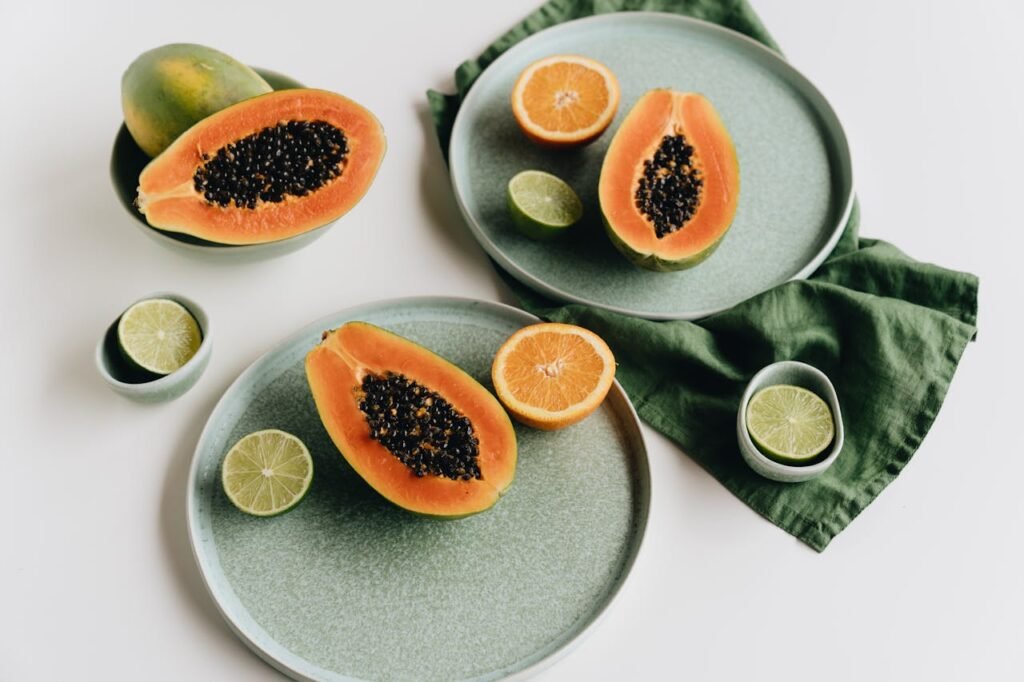
It can be difficult to decide whether to consume the fresh fruit or opt for a concentrated supplement. The table below outlines the key differences to help you make an informed choice.
| Feature | Fresh Papaya | Papaya Enzyme Supplements |
|---|---|---|
| Enzyme Concentration | Moderate (varies by ripeness) | High and standardised |
| Sugar Content | Contains natural fruit sugars (Fructose) | Usually low, but check for added sweeteners |
| Fibre Content | High (excellent for motility) | Negligible |
| Convenience | Requires preparation and storage | Portable and shelf-stable |
| Additional Nutrients | Vitamin C, Vitamin A, Folate | Often isolated enzymes only |
| Best For | General health and mild digestive aid | Targeted relief for heavy meals |
Potential Side Effects and Safety
While papaya enzymes are generally considered safe for most people, there are specific circumstances where caution is advised.
Latex Allergies:
Papaya contains chitinases, which are associated with the latex-fruit syndrome. If you have a known allergy to latex, you may experience a cross-reaction when consuming papaya. Allergy UK provides resources on cross-reactive foods that allergy sufferers should monitor.
Pregnancy:
Unripe or semi-ripe papaya is rich in latex, which can stimulate uterine contractions. While fully ripe papaya is generally considered safe, pregnant women are often advised to avoid unripe papaya and concentrated papain supplements. Always consult a GP or midwife.
Blood Thinning:
Because papain has mild anti-clotting effects, individuals on blood-thinning medication (anticoagulants) should consult their doctor before taking high-dose enzyme supplements.
Stomach Irritation:
Ironically, taking too much of a digestive aid can upset the stomach. High doses of papain can damage the lining of the oesophagus or stomach in sensitive individuals. It is vital to adhere to recommended dosages on supplement packaging, which in the UK are regulated by standards monitored by the Food Standards Agency.
Frequently Asked Questions
Q: Can I eat papaya seeds for digestion?
A: Yes, papaya seeds are edible and contain enzymes as well. However, they have a strong, peppery flavour that can be intense. They are also believed to have antibacterial properties. Start with a small amount to see how your stomach reacts.
Q: Is green or orange papaya better for enzymes?
A: Green (unripe) papaya actually contains a higher concentration of papain than fully ripe orange papaya. However, green papaya must be cooked or prepared carefully (like in a Som Tum salad) and is not suitable for pregnant women due to the high latex content.
Q: When is the best time to take papaya enzymes?
A: To aid digestion, it is best to take enzymes or eat the fruit shortly before, during, or immediately after a meal. This ensures the enzymes are present in the stomach when the food arrives to begin the breakdown process.
Q: Can papaya cure acid reflux?
A: While anecdotal evidence suggests papaya helps soothe heartburn, it is not a “cure.” It may help neutralise stomach acid and speed up digestion, preventing the stomach fullness that triggers reflux. Reliable advice on managing reflux can be found via Guts UK.
Q: Are chewable supplements effective?
A: Chewable papaya enzymes are very popular and can be effective. Digestion begins in the mouth, and chewing the supplement mimics this natural process. However, check the label for added sugars, which can sometimes be high in chewable versions.
The Bottom Line
Papaya enzymes, particularly papain, offer a natural and effective way to support digestive health.
By assisting in the breakdown of proteins, they can alleviate common issues such as bloating, gas, and heaviness after meals. Whether you choose to enjoy the fresh fruit for its added fibre and vitamin content or opt for the convenience of a supplement, your gut may thank you for the extra support.
However, natural remedies are not a substitute for professional medical advice. If you experience chronic digestive distress, weight loss, or persistent pain, it is crucial to consult a healthcare professional.
Organisations like Harvard Health remind us that gut health is complex and often requires a holistic approach including diet, stress management, and hydration.
Prioritise whole foods, listen to your body, and enjoy papaya as part of a balanced, varied diet for optimal well-being.