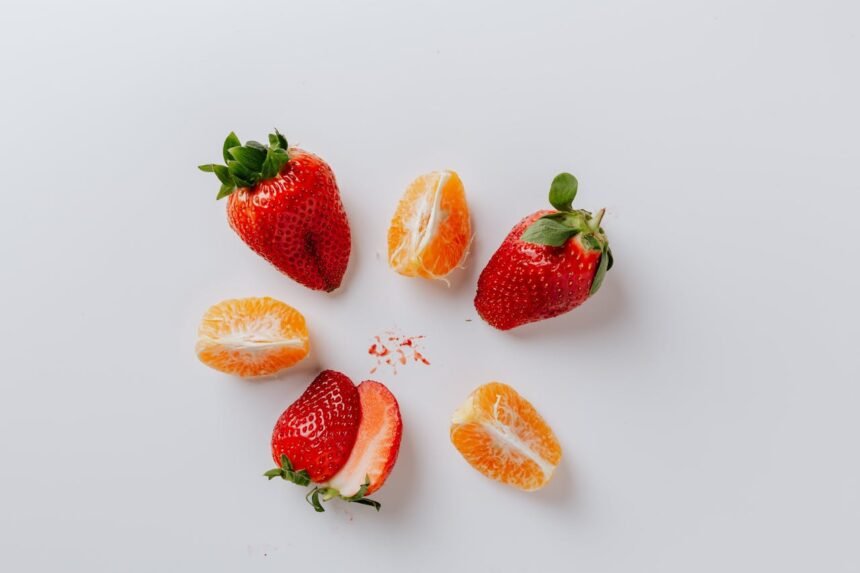
Strawberries are often celebrated as the quintessential jewel of the British summer. Whether they are sliced onto a bowl of porridge, blended into a smoothie, or simply enjoyed fresh from the punnet, their vibrant red colour and sweet flavour make them a household favourite.
However, beyond their delicious taste, these berries are a nutritional powerhouse. For decades, researchers have been investigating the specific impact of berries on long-term health, and the results are compelling. Emerging evidence suggests that strawberries are not just a tasty treat but a functional food capable of significantly improving cardiovascular outcomes.
Heart disease remains one of the leading causes of death worldwide. Consequently, finding natural, dietary methods to protect the heart is a priority for health professionals and the public alike. Incorporating strawberries into your diet is a simple, enjoyable change that can yield profound results.
If you are looking to improve your lipid profile or manage blood pressure naturally, this fruit might be the answer. This article explains how strawberries support heart health, lowers cholesterol, and fits into a balanced lifestyle.
The Science: What Makes Strawberries Heart-Healthy?
To understand why strawberries are so beneficial, we must look at their chemical composition. Strawberries are packed with bioactive compounds that actively work to repair and protect the body.
Polyphenols and Anthocyanins
The deep red hue of a strawberry comes from pigments called anthocyanins. These are a type of flavonoid, a potent antioxidant found in many red and purple fruits. Scientific research indicates that anthocyanins play a crucial role in preventing cardiovascular disease by reducing oxidative stress and inflammation in the arteries.
When we consume these compounds, they help neutralise free radicals—unstable molecules that can damage cells. This protection is vital for the lining of the blood vessels, known as the endothelium. A healthy endothelium is essential for proper blood flow and heart function.
Vitamin C and Oxidative Stress
Many people are surprised to learn that strawberries contain more vitamin C per serving than oranges. Vitamin C is another powerful antioxidant that prevents plaque instability in the arteries. By ensuring your intake of vitamin C is adequate, you reduce the risk of atherosclerosis, a condition where arteries become clogged with fatty substances.
3 Key Ways Strawberries Protect Your Heart
The link between strawberries and heart health is not just theoretical. Numerous clinical trials have demonstrated tangible benefits in humans. Here is a breakdown of the three primary mechanisms.
1. Lowering LDL (Bad) Cholesterol
High cholesterol is a silent risk factor for heart attacks. Specifically, low-density lipoprotein (LDL) is often termed “bad” cholesterol because it accumulates in blood vessel walls.
Strawberries have been shown to modulate lipid metabolism. A study published in nutrition journals found that participants who consumed freeze-dried strawberry powder daily experienced a significant reduction in LDL cholesterol levels compared to a control group. The high fibre content, specifically pectin, binds to cholesterol in the digestive system and helps excrete it before it is absorbed into the bloodstream. This is a key strategy for managing cholesterol levels without medication.
2. Reducing Inflammation
Chronic inflammation is a root cause of many modern diseases, including heart disease. It can damage blood vessels and promote the formation of clots.
The anti-inflammatory properties of strawberries are well-documented. By inhibiting the production of inflammatory markers such as C-reactive protein (CRP), strawberries help “cool down” the cardiovascular system. This reduction in systemic inflammation allows blood vessels to relax and function more efficiently.
3. Regulating Blood Pressure
Hypertension, or high blood pressure, puts immense strain on the heart muscle. Strawberries are an excellent source of potassium, a mineral that counteracts the effects of sodium in the body.
Proper blood pressure regulation relies on a balance of sodium and potassium. Most modern diets are high in salt and low in potassium, leading to hypertension. By increasing your strawberry intake, you naturally boost your potassium levels, helping to relax blood vessel walls and lower blood pressure readings.

Nutritional Breakdown: Strawberries vs. Other Fruits
It can be helpful to see how strawberries compare to other popular fruits regarding heart-healthy metrics. While all fruit is generally good for you, strawberries offer a unique combination of low sugar and high antioxidant density.
| Nutrient Factor (per 100g) | Strawberries | Bananas | Grapes (Red) |
|---|---|---|---|
| Calories | 32 kcal | 89 kcal | 69 kcal |
| Sugar | 4.9 g | 12.2 g | 15.5 g |
| Fibre | 2.0 g | 2.6 g | 0.9 g |
| Vitamin C | 58.8 mg | 8.7 mg | 3.2 mg |
| Glycaemic Index (GI) | 40 (Low) | 51 (Low-Med) | 59 (Medium) |
| Primary Antioxidant | Anthocyanins | Dopamine | Resveratrol |
As the table illustrates, strawberries provide a high volume of food for very few calories and significantly less sugar than grapes or bananas. This makes them an ideal choice for those monitoring their weight or blood sugar levels alongside their heart health.
Actionable Tips for Including Strawberries in Your Diet
To reap the benefits of these powerful antioxidants, consistency is key. Sporadic consumption is less effective than regular, moderate intake. Here are practical ways to ensure you are getting enough.
Fresh vs. Frozen
One common misconception is that fresh is always better. However, frozen strawberries are picked at peak ripeness and flash-frozen, preserving their nutrient content. In the winter months, frozen berries are often a more economical and equally nutritious option.
Breakfast Boosts
- Porridge: Stir a handful of chopped strawberries into hot oats. The heat will release the juices, creating a natural syrup without added sugar.
- Yoghurt Parfait: Layer Greek yoghurt with berries and a sprinkle of flaxseeds for a double dose of heart-healthy fats and fibre.
Savoury Salads
Strawberries pair beautifully with savoury ingredients. Try adding sliced strawberries to a spinach and walnut salad. The vitamin C in the fruit also helps your body absorb iron from the spinach.
Smoothies
Blend frozen strawberries with a banana and almond milk. This is an easy way to meet your 5 A Day guidelines set by public health authorities. Avoid adding fruit juices, which can spike blood sugar; stick to whole fruit to keep the valuable dietary fibre intact.
Frequently Asked Questions
How many strawberries should I eat a day for heart health?
Most studies suggest that one cup (approximately 150g) of strawberries per day is sufficient to observe benefits. This amount provides a substantial dose of anthocyanins and vitamin C without overloading on natural sugars.
Can strawberries help if I already have high cholesterol?
Yes. While they should not replace medication prescribed by your doctor, strawberries can be a powerful adjunct therapy. Their ability to lower LDL cholesterol makes them a smart dietary addition for anyone with hyperlipidaemia.
Are dried strawberries good for you?
Dried fruit can be tricky. While it retains fibre and antioxidants, the sugar is concentrated, and the water is removed. It is much easier to overeat dried fruit, potentially leading to weight gain. Stick to fresh or frozen varieties where possible, especially if you are watching your blood sugar, as strawberries have a low glycaemic index which is beneficial for metabolic health.
Do organic strawberries matter?
Strawberries often appear on lists of produce with higher pesticide residues. If your budget allows, choosing organic can reduce your exposure to these chemicals. However, the health benefits of eating conventionally grown strawberries still far outweigh the risks of not eating fruit at all.
The Bottom Line
Taking care of your heart does not always require drastic lifestyle overhauls or restrictive diets. Sometimes, the most effective changes are the most delicious ones.
Strawberries offer a scientifically backed method to support cardiovascular function. From lowering “bad” LDL cholesterol to regulating blood pressure and reducing chronic inflammation, the benefits are extensive.
By integrating this vibrant fruit into your daily routine—whether fresh in the summer or frozen in the winter—you are making a proactive choice for your long-term well-being. They are low in calories, high in fibre, and packed with the nutrients your heart craves.
Remember, a heart-healthy diet is about the cumulative effect of small, positive choices. Next time you are at the supermarket, grab a punnet of strawberries. Your heart will thank you.