Mustard greens (Brassica juncea) are a peppery, leafy vegetable belonging to the Brassica family, which also includes kale, cabbage, and broccoli. Known for their distinctively sharp flavour and robust texture, they are a staple in many cuisines, ranging from Southern American soul food to Asian stir-fries.
While they are celebrated for their nutritional density, many home cooks find them intimidating due to their inherent bitterness. Learning how to cook mustard greens properly not only neutralises this bitterness but also unlocks a variety of textures and culinary possibilities.
Whether you prefer them wilted, braised, or crisp, proper preparation is essential to retaining their vitamin content while making them palatable. This guide explores the nutritional science behind these greens and provides exhaustive methods for preparing them at home.
Nutritional Profile and Benefits
Before discussing preparation, it is vital to understand why these greens are a worthy addition to your diet. Mustard greens are nutrient-dense and low in calories, making them an excellent choice for a balanced diet.
Vitamins and Minerals
Mustard greens are exceptionally high in Vitamin K, which is essential for blood clotting and bone health. Just one cup of cooked greens can provide hundreds of times your daily requirement. They are also a rich source of Vitamin A and Vitamin C, which support immune function and skin health.
According to the USDA FoodData Central, a single cup of cooked mustard greens provides a significant amount of fibre, copper, and calcium.
Antioxidants
These greens are packed with disease-fighting antioxidants, including beta carotene and flavonoids. These compounds help combat oxidative stress in the body.
Research suggests that the glucosinolates found in cruciferous vegetables may have protective effects against certain chronic conditions. For a deeper dive into the benefits of this vegetable family, you can read more at Healthline.
Selection and Preparation Management
Understanding how to cook mustard greens begins at the grocery store or market. The quality of the raw ingredient dictates the outcome of the dish.
Selecting the Best Greens
When purchasing mustard greens, look for leaves that are vibrant, deep green, and firm. Avoid leaves that are yellowing, wilted, or slimy. Smaller leaves generally have a milder flavour and more tender texture, while larger leaves are more pungent and better suited for long, slow cooking.
Cleaning and Washing
Mustard greens grow in sandy soil, and their textured, curly leaves can trap a significant amount of grit. Proper washing is non-negotiable.
- Separate the leaves: Pull the leaves apart to ensure water reaches every crevice.
- Submerge: Place the greens in a large bowl or clean sink filled with cold water.
- Agitate: Swish the greens around vigorously to loosen dirt.
- Rest: Let them sit for a few minutes so the grit settles to the bottom.
- Lift: Lift the greens out of the water rather than draining the sink, which would dump the dirt back onto the leaves.
For more on food safety and cleaning produce, the Academy of Nutrition and Dietetics offers standard guidelines.
Stemming and Chopping
The stems of mustard greens are edible but tough. If you are planning a quick cooking method like sautéing, it is advisable to remove the thick central ribs. You can fold the leaf in half and slice the stem away, or simply tear the leaves off the stem.
For braising, you may choose to chop the stems finely and cook them along with the leaves, as the long cooking time will soften them.
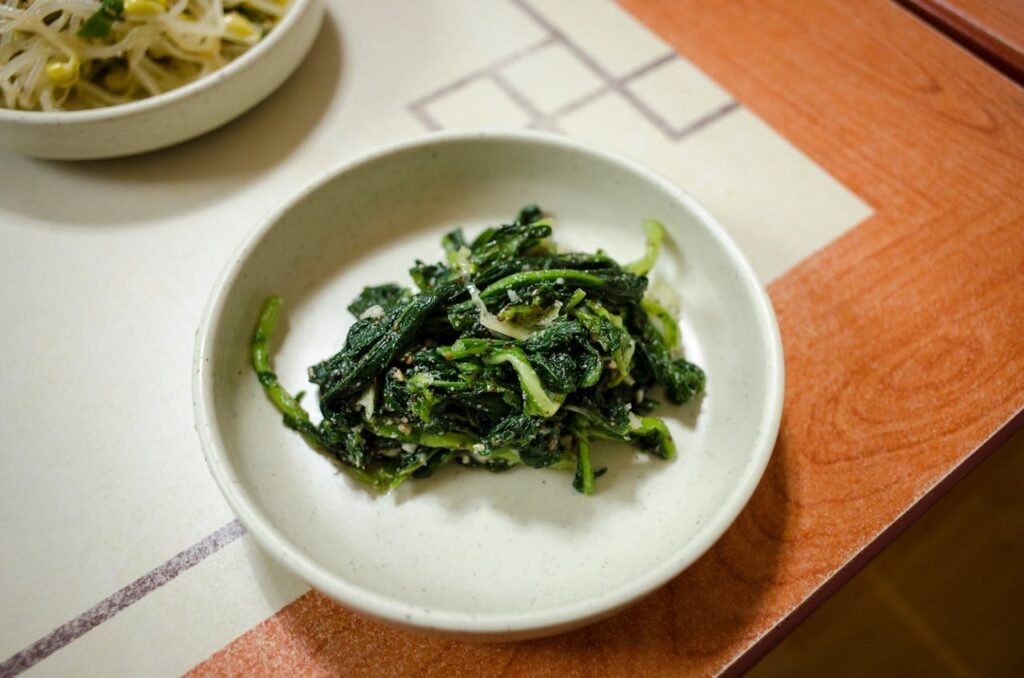
How to Cook Mustard Greens: 4 Essential Methods
There are several ways to approach cooking this vegetable, depending on your desired texture and flavour intensity.
Method 1: Sautéing (Quick and Fresh)
Sautéing is ideal when you want to retain some texture and colour. It preserves the peppery bite without it being overwhelming.
Ingredients:
- 1 bunch mustard greens, washed and chopped
- 2 tbsp olive oil
- 2 cloves garlic, minced
- Salt and chilli flakes
Instructions:
Heat the olive oil in a large skillet over medium-high heat. Add the garlic and cook until fragrant (about 30 seconds). Add the damp greens in batches, allowing them to wilt slightly before adding more. Cook for 5–8 minutes until tender but bright green. Season with salt and chilli flakes.
Using healthy fats like olive oil aids in the absorption of fat-soluble vitamins (A and K). Learn more about vitamin absorption from the National Institutes of Health (NIH).
Method 2: Braising (Traditional and Mellow)
Braising involves cooking the greens slowly in liquid. This is the traditional Southern method, often using smoked meat to flavour the pot liquor (the savoury broth created during cooking).
| Feature | Details |
|---|---|
| Time | 45–60 minutes |
| Liquid | Chicken stock, vegetable broth, or water |
| Fat Source | Bacon grease, butter, or olive oil |
| Result | Silky texture, very mild bitterness |
Instructions:
Sauté onions in fat until translucent. Add liquid (stock) and bring to a simmer. Add the greens and reduce heat to low. Cover and simmer for 45 minutes to an hour. The long cooking time breaks down the fibrous cell walls and dissipates the intense heat of the mustard oil.
Method 3: Blanching (The Pre-Step)
Blanching is an excellent technique if you find the flavour too strong. It involves boiling the greens briefly and then shocking them in ice water.
Instructions:
Bring a large pot of salted water to a boil. Submerge the greens for 2–3 minutes. Drain immediately and transfer to a bowl of ice water. Squeeze out excess liquid.
Blanched greens can be frozen for later use or added to soups and stews. According to the Mayo Clinic, blanching is critical before freezing to stop enzyme actions that can cause loss of flavour, colour and texture.
Method 4: Raw (Massaged)
While usually cooked, young mustard greens can be eaten raw. However, they can be tough. “Massaging” the greens with dressing breaks down the cellulose structure, making them easier to chew and digest.
Drizzle the raw leaves with lemon juice, olive oil, and salt. Rub the mixture into the leaves with your hands for 2–3 minutes until they darken and shrink in volume.
Practical Tips for Flavour Balancing
Even with proper cooking, mustard greens have a distinct profile. Here is how to manage the flavour professionally.
The Role of Acid
Adding an acidic element is the most effective way to cut through the bitterness of dark leafy greens. Vinegar (apple cider or sherry vinegar) or lemon juice should be added at the very end of the cooking process.
The acid brightens the dish and balances the heavy, earthy notes. Nutritional experts at the NHS note that consuming Vitamin C (found in lemon juice) with plant-based iron helps the body absorb the iron more efficiently.
Salt and Fat
Bitterness is suppressed by salt and fat. This is why traditional recipes often use ham hocks or bacon. For a vegetarian alternative, use generous amounts of olive oil and sea salt, or finish the dish with a knob of butter.
Spice Pairing
Mustard greens pair well with bold spices that can stand up to their flavour. Consider using:
- Smoked paprika
- Cumin
- Red pepper flakes
- Garlic and onion powder
Safety and Precautions
While highly nutritious, there are factors to consider regarding how to cook mustard greens safely for specific populations.
Vitamin K and Blood Thinners
Because mustard greens are incredibly high in Vitamin K, they can interfere with blood-thinning medications like Warfarin. Sudden changes in Vitamin K intake can affect how these drugs work. It is crucial to maintain a consistent intake rather than avoiding them entirely or eating huge amounts suddenly. Consult Harvard Health for more context on nutrient interactions.
Oxalates
Like spinach, mustard greens contain oxalates, which can contribute to kidney stones in susceptible individuals. Boiling and discarding the water (as done in blanching) can reduce oxalate levels significantly compared to eating them raw or steamed. Further reading on oxalates can be found via WebMD.
Storage and Preservation
Proper storage ensures you get the most out of your produce.
Raw Storage: Wrap unwashed greens in paper towels and place them in a sealed plastic bag in the refrigerator crisper drawer. They will last for 3–4 days. The paper towel absorbs excess moisture which causes rotting.
Cooked Storage: Cooked greens can be stored in an airtight container in the fridge for up to 5 days.
Freezing: As mentioned in the blanching section, you must blanch greens before freezing. Once blanched and dried, they can be frozen for up to 12 months. This is a great way to preserve seasonal produce.
For general food storage guidelines, FoodSafety.gov is a reliable resource.
The Bottom Line
Mustard greens are a powerhouse vegetable offering a wealth of vitamins, minerals, and antioxidants. While their sharp, peppery flavour can be polarizing, knowing how to cook mustard greens using the right techniques—such as braising with fat or sautéing with garlic and acid—transforms them into a delicious side dish.
By incorporating acids like vinegar or lemon juice, you can easily manage the bitterness. Whether you choose to boil them to reduce oxalates or massage them for a raw salad, these greens are a versatile addition to a healthy diet.
Experiment with different cooking times and seasonings to find the preparation method that best suits your palate. The effort to prepare them properly is well worth the nutritional reward.
For further scientific reading on the bioactive compounds in brassica vegetables, you can refer to studies indexed on PubMed.