Feeling sluggish, puffy, or experiencing persistent bloating? You might be dealing with a stagnant lymphatic system. While many of us focus on blood circulation, the lymphatic system is the unsung hero of our immune health and detoxification. Learning how to do a lymphatic drainage massage at home is a powerful, cost-effective way to support your body’s natural ability to detoxify, reduce water retention, and enhance your overall wellbeing.
In this comprehensive guide, we will explore the techniques of manual lymphatic drainage (MLD), safe practices, and how to integrate this soothing therapy into your daily routine. We will also touch upon complementary habits, such as the benefits of cold showers in the morning, to maximise your results.
Understanding the Lymphatic System
Before diving into the massage, it is essential to understand what you are working with. Unlike your circulatory system, which has the heart to pump blood, your lymphatic system does not have a central pump. It relies on physical movement, breathing, and muscle contraction to move lymph fluid—a clear fluid containing white blood cells—through a network of vessels and nodes.
According to the Cleveland Clinic, this system maintains fluid levels in your body tissues and removes waste products. When it slows down due to a sedentary lifestyle, dehydration, or illness, you may experience swelling (oedema), fatigue, or brain fog.
Key Benefits of Lymphatic Drainage
Perfoming a regular self lymphatic drainage massage offers numerous advantages:
Reduces Water Retention:** It is one of the most effective methods on *how to reduce bloating fast, particularly in the abdomen and legs.
* Boosts Immune Function: By facilitating the movement of lymph, you assist white blood cells in reaching areas where they are needed to fight infection.
Relieves Sinus Congestion:** Specific facial techniques can show you *how to relieve sinus pressure naturally without medication.
Promotes Relaxation:** The rhythmic, repetitive strokes can lower sympathetic nervous system activity, serving as one of the *natural ways to lower cortisol levels.
> Note: Research published by the National Institutes of Health suggests that manual lymphatic drainage can effectively reduce swelling and improve quality of life for those with lymphedema.
Safety First: Contraindications
While generally safe, lymphatic massage is not suitable for everyone. Do not perform this massage if you have:
* Acute Infection: Massaging can spread bacteria or viruses into the bloodstream.
* Fever: Your body is already fighting an invader; do not overstimulate it.
* Congestive Heart Failure: Moving too much fluid back to the heart can overload it.
* Active Cancer: Consult your oncologist first, as per guidance from Cancer Research UK.
* Deep Vein Thrombosis (DVT): There is a risk of dislodging a blood clot.
If you are unsure, always consult a healthcare professional.
Preparation: Setting the Scene
To get the most out of your session, create a calming environment. You might want to use the best essential oils for sleep and anxiety, such as lavender or chamomile, diluted in a carrier oil.
Hydration is Key:* Ensure you are well-hydrated before you start. *Signs of dehydration in seniors and adults alike include dizziness and dark urine; lymph fluid needs water to flow freely.
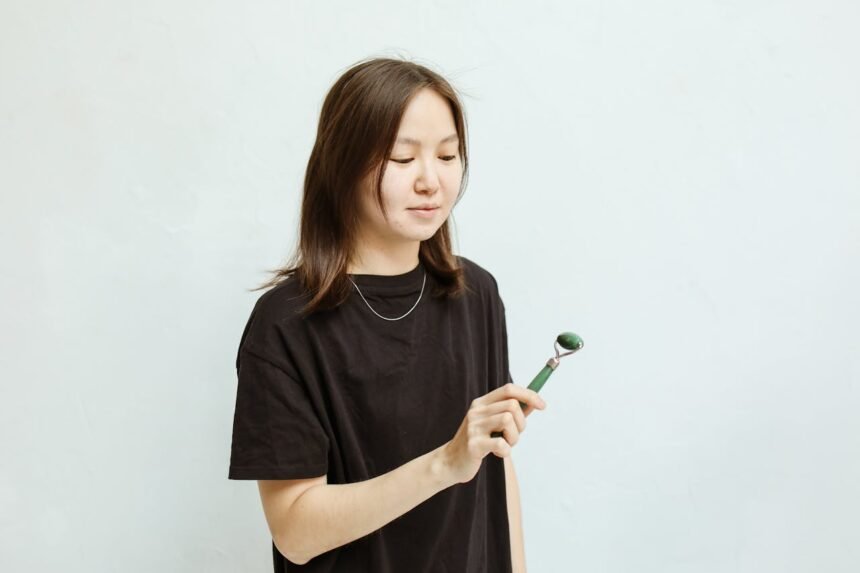
Tools:* While your hands are best, you can use a gua sha tool or a dry brush. If you have dry skin, consider using a high-quality oil. The *benefits of black seed oil for skin or almond oil make them excellent choices for gliding without clogging pores.
The Golden Rule: The ‘J’ Stroke and Pressure
The most common mistake beginners make is applying too much pressure. The lymphatic vessels are located just beneath the skin.
- Pressure: Think ‘feathery’ light. You are stretching the skin, not kneading the muscle. If your skin turns red, you are pressing too hard.
- Direction: Always stroke towards the heart or the nearest cluster of lymph nodes.
- Technique: Use a ‘J’ stroke—a gentle scoop and stretch motion.
Step-by-Step Routine: The ‘Clear and Flush’ Method
This routine follows the principles of Vodder-style MLD. We must ‘clear’ the drainage points (lymph nodes) before we ‘flush’ the fluid towards them. Think of it like unclogging a drain before pouring water down the sink.
Step 1: Open the Terminus (Collarbone)
The terminus, located in the hollows just above your collarbones, is where lymph re-enters the bloodstream.
* Place your crossed hands on your chest, fingers resting in the hollows above the collarbones.
* Perform 10-15 gentle, circular pumps.
* Deep breathing is crucial here. Inhale deeply, allowing your belly to rise, and exhale slowly. This changes pressure in the chest, acting as a pump for the deep lymphatic vessels.
Step 2: The Neck
* Place your hands on the sides of your neck, just below the ears.
* Gently stretch the skin downwards towards the collarbone.
* Repeat 10 times. This is vital for draining the head and can help teach you how to drain lymph nodes in neck effectively.
Step 3: The Axilla (Armpits)
* Lift one arm slightly. Use the opposite hand to cup your armpit.
* Gently pump upwards and inwards into the armpit hollow.
* This clears the nodes that drain the arms and breasts. Medical News Today highlights the axillary nodes as a critical junction for upper body drainage.
Step 4: The Stomach
Digestive health is linked to lymph flow. If you suffer from gut issues, incorporating yoga poses for digestion or this massage can help.
* Lay flat comfortably.
* Place your palms on your belly button.
* Massage in a clockwise motion (following the path of the colon).
* Perform gentle pumping motions near the hip bones to stimulate the inguinal nodes.
Step 5: The Legs
Heavy legs are a common complaint. This sequence is excellent for lymphatic drainage massage benefits for legs.
* Start at the top: Place hands at the top of the thigh/groin area. Pump gently to clear the inguinal nodes.
* Thighs: Place hands on your thighs. Stretch the skin upwards towards the groin. Work your way down to the knee, always stroking upwards.
* Knees: Pump the back of the knees (popliteal nodes).
* Calves: Stroke from the ankle up towards the knee.
For enhanced relief, some people find pairing this with exercises to strengthen pelvic floor helps improve fluid dynamics in the lower abdomen.
Aftercare and Complementary Habits
Once you have finished, drink a large glass of water. This helps flush the mobilised toxins and waste products from your system.
Boost Your Results Naturally
- Cold Therapy:* The *benefits of cold showers in the morning include constricting lymph vessels, forcing fluid to move, which is excellent for circulation.
- Castor Oil:* Some practitioners suggest the *benefits of castor oil packs on the abdomen can further stimulate lymphatic flow and reduce inflammation.
- Diet:* Incorporate alkaline-rich foods. While you might search for a *list of alkaline foods for beginners, simply adding more leafy greens and cucumber can help reduced acidity and inflammation.
- Movement:* A sedentary lifestyle is the enemy of lymph. Even simple activities, like walking or *stretches for lower back pain at work, can keep fluids moving.
When to See a Professional
While self lymphatic drainage massage is beneficial, there are times you need an expert. If you have had surgery (like liposuction) or cancer treatment, a certified lymphedema therapist can provide a tailored programme. According to Healthline, professional therapists use specialised techniques that are difficult to replicate perfectly on oneself.
Frequently Asked Questions
1. How often should you do lymphatic drainage?
For general wellbeing, performing a simplified routine 2-3 times a week is beneficial. If you are recovering from an injury or surgery, follow your therapist’s advice, which might be daily.
2. Can lymphatic massage help with weight loss?
It can reduce water weight and bloating, making you look slimmer temporarily. However, it does not burn fat directly. It supports metabolic health, which is crucial for weight management.
3. What are the signs of a sluggish lymphatic system UK?
Common signs include persistent fatigue, brain fog, swollen fingers or ankles, bloating, and frequent colds or infections.
4. Is it normal to feel thirsty after the massage?
Yes, absolutely. The massage moves fluid and waste products, which requires water to be processed by the kidneys. If you feel dizzy or have a headache, these are signs you need more electrolytes or water immediately.
5. Can I use a jade roller for lymphatic drainage?
Yes, jade rollers and gua sha tools are excellent for manual lymphatic drainage techniques for face. Ensure you lubricate the skin with oil and always roll outwards and downwards towards the neck lymph nodes.
By incorporating these simple techniques into your routine, you can significantly improve your health from the comfort of your home. Remember, consistency is key to keeping your body’s drainage system flowing freely.
Disclaimer: This article is for satisfying informational purposes only and does not constitute medical advice. Always consult your GP or a healthcare provider before starting new health practices.
External Resources:
* Britannica: Lymphatic System Facts
* Verywell Health: How to Do Lymphatic Self-Massage
* Tactile Medical: Lymphedema Massage Guide
* AMTA: Research Updates on Lymphatic Drainage
* University Health Network: Lower Body Massage Guide (PDF)