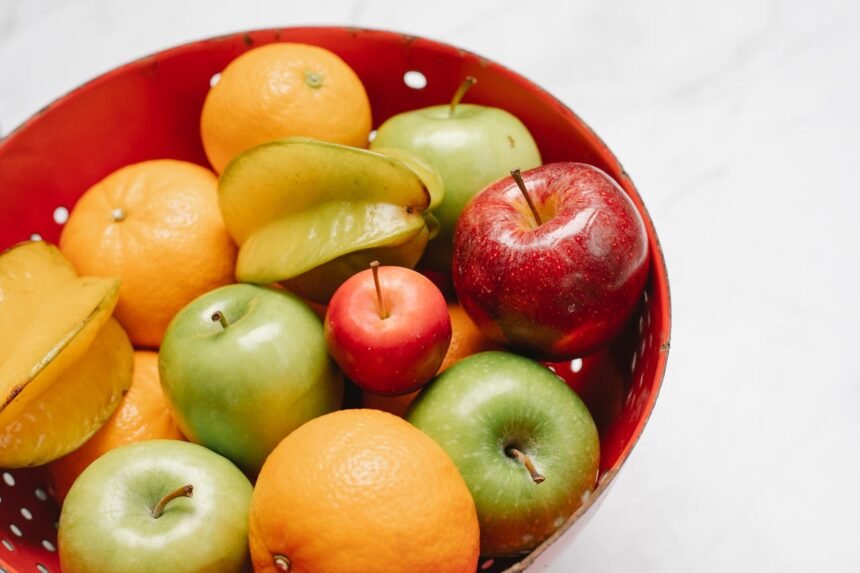
Star fruit, also known as carambola, is one of the most visually striking fruits available in the produce section. With its distinctive ridges and vibrant yellow colour, it transforms into a perfect five-point star when sliced horizontally.
While its appearance is undoubtedly exotic, many people are unsure how to eat star fruit or incorporate it into their daily diet. Beyond its aesthetic appeal, this tropical fruit offers a unique balance of sweet and sour flavours, along with an impressive nutritional profile.
However, it is not merely about taste. Understanding the correct preparation methods and safety considerations—particularly for individuals with kidney concerns—is essential before adding it to your fruit bowl.
Overview: What is Star Fruit?
Native to Southeast Asia and cultivated in tropical regions worldwide, the star fruit grows on the Averrhoa carambola tree. The fruit has a waxy, edible skin and flesh that ranges from firm to soft depending on ripeness.
There are generally two main varieties found in markets:
- The smaller variety: Typically sour with a tart profile, often used in savoury cooking or garnishes.
- The larger variety: Distinctly sweeter, making it ideal for eating raw or adding to fruit salads.
The entire fruit is edible, including the waxy skin, which provides a crisp snap similar to a grape or an apple. The interior flesh is juicy and refreshing, often described as a mix of apple, pear, citrus, and grape flavours.
Nutritional Profile
Star fruit is low in calories but nutrient-dense. It is an excellent source of fibre and Vitamin C. According to the USDA, a medium-sized star fruit (approximately 91 grams) contains the following:
| Nutrient | Amount | % Daily Value (DV) |
|---|---|---|
| Calories | 28 | – |
| Fibre | 2.5 g | 10% |
| Vitamin C | 31 mg | 52% |
| Copper | 0.1 mg | 6% |
| Potassium | 121 mg | 3% |
It also contains small amounts of magnesium, folate, and protein. Furthermore, the fruit is rich in plant compounds like quercetin, gallic acid, and epicatechin, which have powerful antioxidant properties that help combat oxidative stress in the body.
Factors to Consider: Safety and Risks
Before discussing preparation, it is critical to address the safety profile of star fruit. While healthy for most, it can be dangerous for specific populations.
Kidney Health Warning
Star fruit contains a high concentration of oxalates and a specific neurotoxin called caramboxin. People with healthy kidneys can filter this toxin out without issue. However, for individuals with kidney disease, the kidneys cannot process the neurotoxin, which may lead to severe complications.
According to the National Kidney Foundation, consumption by those with renal impairment can cause hicalcups, mental confusion, seizures, and potentially death. If you have kidney issues, you should avoid star fruit entirely.
Medication Interactions
Similar to grapefruit, star fruit can interact with the way your body processes certain medications. It inhibits enzymes responsible for breaking down drugs, which can lead to higher, toxic levels of medication in your bloodstream. Always consult a healthcare professional or check resources like WebMD regarding interactions if you are on prescription medication.
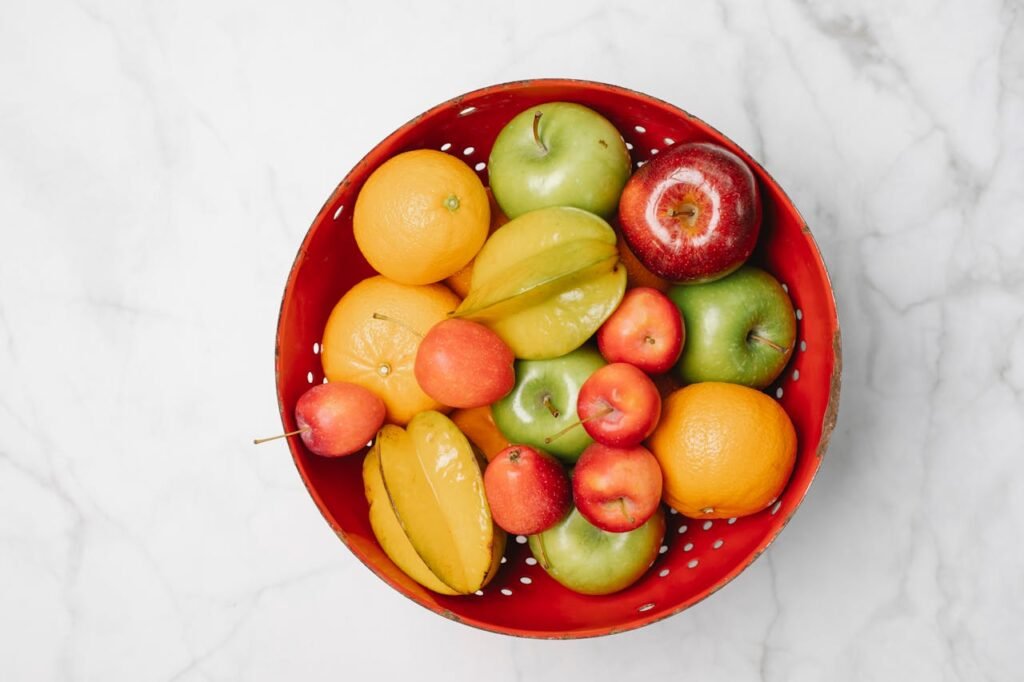
Selection: How to Choose the Perfect Fruit
Learning how to eat star fruit begins with selecting the right one at the grocery store. Eating an under-ripe star fruit can be overly tart and astringent, while an over-ripe one can be mushy and fermented.
Visual Cues
Look for fruit with bright, vibrant yellow skin. A little bit of green on the ridges implies it is not quite ripe, but you can ripen it at home on the counter for a few days.
Key selection indicators include:
- Colour: Aim for a uniform gold or yellow. Light green patches indicate tartness.
- Texture: The skin should feel firm to the touch but not rock hard.
- Brown Edges: Do not be put off by slight browning along the sharp ridges. This is a sign of ripeness and high sugar content.
Avoid fruits that have shrivelled skin, soft spots, or large brown bruises on the body of the fruit, as these indicate it is past its prime.
Management: Preparation and Cutting
Once you have selected a ripe fruit, preparing it is straightforward. Unlike mangoes or pineapples, which require peeling and coring, star fruit is low-maintenance.
Step-by-Step Preparation Guide
Follow these steps to ensure the best texture and flavour experience:
- Wash Thoroughly: Because you eat the skin, it is vital to rinse the fruit under cool running water. The waxy skin can hold residue, so rub it gently. The FDA recommends washing all produce, even if you plan to peel it, though here we keep the peel.
- Trim the Ends: Place the fruit on a cutting board. Using a sharp knife, slice off the green or brown stem end and the tip of the fruit.
- Remove the Edges (Optional but Recommended): The vertical ridges (the points of the star) can be tough and slightly bitter. Run your knife shallowly down each ridge to remove the thin, waxy brown edge. This improves the mouthfeel.
- Slice Horizontally: Turn the fruit on its side and slice it crosswise into pieces roughly 6mm to 12mm thick. This reveals the signature star shape.
- Remove Seeds: Poke out the small seeds found in the centre of the slices with the tip of your knife or your fingers. While edible, they can be slightly bitter.
Practical Tips: Culinary Uses
Now that you know how to cut it, the versatility of star fruit allows it to be used in both sweet and savoury dishes. Its crisp texture holds up well in various culinary applications.
1. Fresh and Raw
The simplest way to enjoy it is raw. The crispness serves as a fantastic palate cleanser. It pairs exceptionally well with other tropical fruits like papaya and mango. Adding it to a fruit salad not only introduces a crunch but adds a visual flair that makes the dish look professionally prepared. Increasing your intake of whole fruits is consistent with CDC guidelines for a healthy diet.
2. Beverages and Smoothies
Juicing star fruit yields a refreshing, tart liquid that works well in mocktails or cocktails. You can also blend the whole fruit (seeds removed) into green smoothies. The tartness cuts through the earthiness of kale or spinach.
Simple Star Fruit Drink:
- Blend 2 ripe star fruits with 1 cup of water.
- Strain the pulp.
- Add a dash of honey and lemon juice.
- Serve over ice.
3. Savoury Salads
In Southeast Asian cuisine, unripe (green) star fruit is often used in savoury salads, similar to how green papaya is used. The tart flavour acts like a vegetable. Try tossing thin slices with prawns, coriander, lime juice, and chilli for a Thai-inspired salad. The fibre content helps promote satiety, a benefit noted by the Mayo Clinic.
4. Cooked Applications
Star fruit can be cooked. It retains its shape fairly well, making it suitable for:
- Relishes and Chutneys: Simmer chopped star fruit with sugar, vinegar, and spices (like cloves and cinnamon) to make a chutney that pairs beautifully with poultry or fish.
- Upside-Down Cake: Replace pineapple with star fruit slices for a visually stunning dessert.
- Dehydrated Chips: Slice thinly and dry in an oven or dehydrator for a tart, crunchy snack.
5. Garnishes
Because of its shape, it is the ultimate garnish. Float a star slice on top of a punch bowl, hook it onto the rim of a cocktail glass, or place it atop an açai bowl. It adds zero fat and minimal calories while elevating the presentation.
Storage
If your star fruit is green, leave it on the counter at room temperature. Turn it occasionally to ensure even ripening. Once it turns yellow with brown ridges, it is ripe.
Ripe star fruit should be stored in the refrigerator, preferably in a sealed container or plastic bag, where it will keep for up to one week. If cut, refrigerate immediately to prevent fermentation.
The Bottom Line
Learning how to eat star fruit unlocks a delightful addition to your culinary repertoire. It is a hydration-boosting, low-calorie fruit packed with Vitamin C and antioxidants that support immune health, as highlighted by Healthline.
Its preparation is minimal—requiring only a good wash and a few knife cuts—yet the visual and flavour payoff is high. Whether you eat it fresh for a snack, toss it into a savoury salad, or use it as a decorative garnish, it brings a taste of the tropics to your table.
However, always remember the specific contraindications. If you have any kidney problems, this fruit must be avoided. For everyone else, it is a crunchy, sweet-tart treat that deserves a spot in your fruit rotation.
For more information on the benefits of Vitamin C found in fruits like carambola, you can consult resources from Harvard Health. Furthermore, understanding the role of oxalates in diet is crucial, as detailed by Medical News Today.
By selecting ripe, yellow fruits and preparing them correctly, you can safely enjoy one of nature’s most beautiful and delicious offerings.