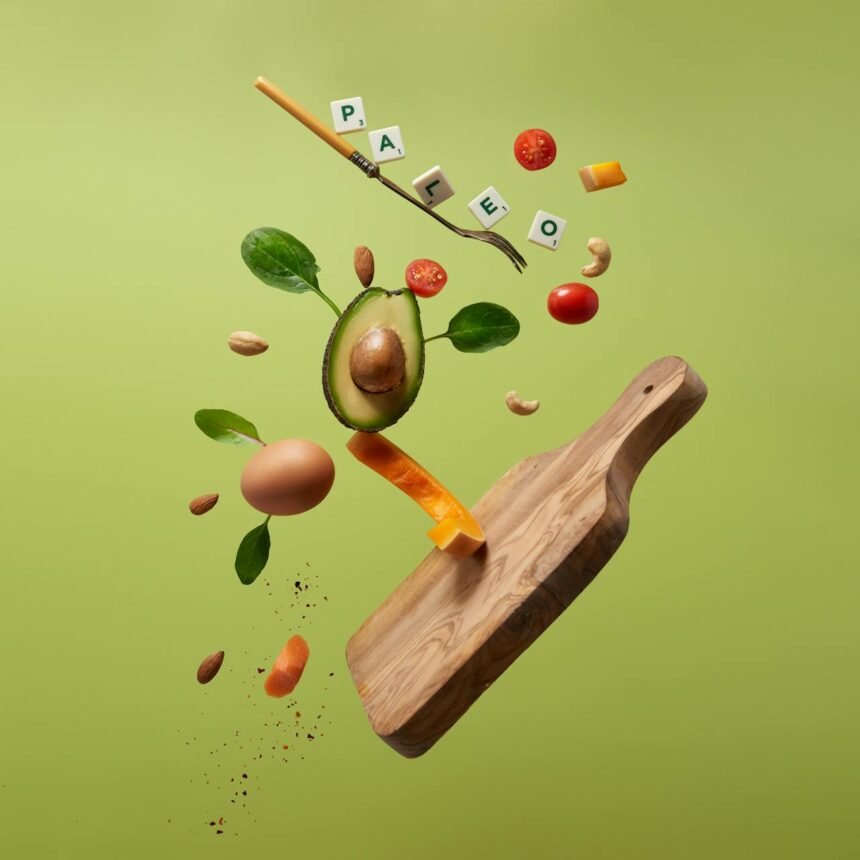
Adopting a new lifestyle often brings a wave of enthusiasm, but for many, that excitement crashes when they see the receipt at the checkout counter. The Paleo diet, often dubbed the ‘caveman diet’, has garnered a reputation for being prohibitively expensive.
When you see influencers promoting grass-fed steaks, exotic nut butters, and organic avocados, it is easy to feel priced out of better health. However, eating in a way that mimics our ancestors does not require a celebrity salary. In fact, stripping your diet back to whole, unprocessed foods can actually save you money if you approach it strategically.
With the cost of living rising across the UK, finding ways to nourish your body without draining your bank account is more important than ever. You do not need expensive supplements or luxury ingredients to reap the benefits of this lifestyle.
This guide will show you exactly how to plan a paleo diet menu on a budget, prioritising nutrient density and flavour while keeping your finances firmly in check.
What is the Paleo Diet?
Before diving into the financial strategies, it is helpful to clarify what a Paleo framework actually looks like.
The core philosophy is simple: eat whole, unprocessed foods that humans are genetically adapted to consume. By removing modern agricultural products like grains, legumes, and refined sugars, proponents argue that you can reduce inflammation and improve metabolic health.
A standard Paleo diet includes:
- Meats: Beef, lamb, chicken, turkey, and pork.
- Fish and Seafood: Salmon, trout, mackerel, and shellfish.
- Eggs: Preferably free-range or omega-3 enriched.
- Vegetables: Leafy greens, cruciferous veg, and root vegetables.
- Fruits: Apples, berries, citrus, and melons.
- Healthy Fats: Olive oil, avocado oil, coconut oil, and animal fats.
- Nuts and Seeds: Almonds, walnuts, and pumpkin seeds.
Foods to avoid include:
- Grains: Wheat, oats, barley, and rice.
- Legumes: Beans, lentils, peanuts, and soy.
- Dairy: Milk, cheese, and yogurt (though some variations allow raw dairy).
- Refined Sugar: High-fructose corn syrup and artificial sweeteners.
- Processed Oils: Canola, soybean, and sunflower oil.
While this list may seem restrictive, it is incredibly nutrient-dense. For a more detailed breakdown, you can read this comprehensive beginner’s guide to understanding the nuances of the diet.
How to Build Your Paleo Menu on a Budget
Eating well for less requires a shift in mindset. You must move away from convenience and towards preparation. Here are the most effective strategies for maintaining a Paleo lifestyle in the UK without overspending.
1. Prioritise Frozen Fruits and Vegetables
There is a persistent myth that fresh produce is always superior to frozen. This is simply not true. Frozen vegetables are often picked at the peak of ripeness and flash-frozen immediately, locking in their vitamins and minerals.
Fresh produce in the supermarket may have travelled for days or weeks, losing nutrients along the way. Frozen options are significantly cheaper and reduce food waste because they do not go off in the fridge. According to BBC Good Food, understanding the benefits of frozen fruit and vegetables can be a game-changer for your grocery budget.
Best frozen buys for Paleo:
- Spinach blocks (perfect for curries).
- Berry mixes (for smoothies).
- Cauliflower rice (much cheaper than fresh pre-riced options).
- Green beans and broccoli florets.
2. Embrace Cheaper Cuts of Meat
Fillet steak and chicken breasts are the most expensive items at the butcher. To succeed on a budget, you must get comfortable with cuts that require longer cooking times.
Cuts like beef shin, brisket, pork shoulder, and chicken thighs are not only cheaper but often more flavourful. They are rich in collagen, which supports joint and skin health.
The NHS provides guidance on red meat and processed meat, emphasizing that unprocessed cuts are a healthy source of protein and iron. Use a slow cooker to turn these tough cuts into tender, melt-in-the-mouth stews.
3. Rethink Your Fats
Expensive avocado oil and imported ghee can destroy a budget quickly. While quality fats are essential for energy on a Paleo diet, you can source them cheaply.
- Save your dripping: When you roast a chicken or cook bacon, save the fat. It is free, heat-stable, and delicious.
- Buy olive oil in bulk: Look for large tins of extra virgin olive oil at international supermarkets rather than small glass bottles.
For more information on balancing your intake, the British Heart Foundation offers excellent resources on saturated fats and how to incorporate them sensibly.
4. Incorporate Organ Meats
Organ meats, such as liver, kidney, and heart, are the multivitamin of nature. They are incredibly inexpensive because they have fallen out of fashion in modern British cuisine.
Liver, for instance, is packed with Vitamin A, B12, and iron. A study indexed by the National Library of Medicine highlights the incredible nutrient density of animal-sourced foods, with organs often topping the list. If you dislike the taste, try mincing liver into your beef mince for a bolognese; you will barely notice it is there.
5. Shop Seasonally and Locally
Strawberries in December will always be expensive. Aligning your menu with the British growing season ensures you are buying produce when it is most abundant and cheapest.
Visit your local greengrocer or market towards the end of the day. Many vendors discount their produce to clear their stock. The GOV.UK website occasionally references seasonal availability in their Eatwell Guide resources, encouraging a varied intake of plants.
6. Meal Planning is Non-Negotiable
Impulse buying is the enemy of a budget. Before you shop, write down exactly what you will eat for the next few days. This prevents you from buying ingredients you do not need and reduces waste.
Organisations like Love Food Hate Waste specialise in helping consumers with planning your meals to ensure every penny spent ends up on your plate, not in the bin.

Comparison: Premium vs. Budget Paleo
Here is how simple swaps can drastically reduce your weekly bill without compromising on nutrition.
| Food Category | Premium ‘Instagram’ Paleo Choice | Smart Budget Paleo Choice | Estimated Savings |
|---|---|---|---|
| Protein | Grass-fed Ribeye Steak | Beef Mince (20% fat) or Liver | 60-70% |
| Fish | Fresh Wild-Caught Salmon Fillet | Tinned Mackerel or Sardines | 70-80% |
| Vegetables | Organic Asparagus & Tenderstem | Frozen Broccoli & Carrots | 50% |
| Fats | Imported Avocado Oil | Rendered Bacon Fat or Lard | 90-100% |
| Flour | Almond Flour | No substitute (eat whole foods) | 100% |
| Snacks | Paleo Protein Bars | Hard Boiled Eggs | 80% |
Sample 3-Day Budget Paleo Menu
This menu utilises leftovers and cheaper ingredients to keep costs low.
Day 1
- Breakfast: Two eggs scrambled with frozen spinach and a drizzle of olive oil.
- Lunch: Tinned mackerel salad with cucumber, lettuce, and lemon juice.
- Dinner: Slow-cooked beef shin stew with carrots, onions, and swede.
Day 2
- Breakfast: Leftover beef stew (savoury breakfasts keep you full longer).
- Lunch: Hard-boiled eggs with carrot sticks and a handful of walnuts.
- Dinner: Roast chicken thighs (skin on) with roasted root vegetables (parsnips and beetroot).
Day 3
- Breakfast: Omelette with leftover roasted vegetables from Day 2.
- Lunch: Chicken salad using leftover meat from the roast chicken.
- Dinner: Shepherd’s pie topped with mashed cauliflower (using beef mince).
For more ideas on keeping grocery costs down, consumer rights group Which? frequently updates their analysis of the cheapest supermarkets in the UK.
Frequently Asked Questions
Is the Paleo diet safe for everyone?
Generally, yes, as it focuses on whole foods. However, those with specific conditions should consult a GP. Diabetes UK offers advice on healthy swaps that align with lower-carb approaches.
Do I have to buy organic?
No. While organic can be beneficial, it is not a requirement. Conventional vegetables are far better than no vegetables. Prioritise the “Clean Fifteen” if you are concerned about pesticides, but do not let it break your budget.
How do I get enough calcium without dairy?
Leafy greens, tinned fish with bones (like sardines), and almonds are excellent sources. The British Dietetic Association provides a fact sheet on calcium sources for those avoiding dairy.
Can I eat white potatoes?
Strict Paleo excludes them, but many modern adaptations include them as a cheap, healthy starch. If you are active and on a budget, white potatoes are a great addition.
The Bottom Line
Planning a paleo diet menu on a budget is entirely achievable with a bit of organisation and creativity. It is not about buying the most expensive superfoods; it is about returning to basics.
By focusing on seasonal vegetables, frozen produce, and economical cuts of meat, you can nourish your body with high-quality food without overspending. Remember, the goal is long-term health, not perfection. Start with small changes, like swapping cereal for eggs or buying frozen veg, and watch both your health and your savings grow.
Prioritise nutrient density, cook from scratch, and ignore the marketing hype surrounding luxury health foods.