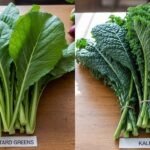
Mustard greens (Brassica juncea) are one of the most distinctive members of the cruciferous vegetable family. Known for their robust, peppery flavour and ruffled texture, they are a staple in cuisine ranging from the American South to East Asia. However, beyond their culinary versatility, they are a nutritional powerhouse.
While many people recognise spinach and kale as superfoods, mustard greens often fly under the radar despite boasting an impressive profile of vitamins, minerals, and antioxidants. The challenge, however, lies in preparing mustard greens correctly.
Improper cooking methods can destroy delicate water-soluble vitamins and deactivate beneficial enzymes. To truly benefit from this vegetable, one must understand the science of nutrient preservation.
This article provides a comprehensive, evidence-based guide on how to prepare mustard greens to ensure you retain the maximum amount of vitamins and minerals, all while making them delicious.
Nutritional Overview: What Are We Trying to Save?
Before diving into the mechanics of cooking, it is vital to understand exactly what nutrients we are trying to preserve. Mustard greens are nutrient-dense, meaning they provide a high volume of vitamins and minerals relative to their calorie count.
Key Nutrients in Mustard Greens
- Vitamin K: Essential for blood clotting and bone health. A single cup of raw mustard greens provides significantly more than the daily recommended intake.
- Vitamin C: A powerful antioxidant that supports immune function and skin health. It is highly sensitive to heat.
- Vitamin A: Crucial for vision and immune health, found in the form of beta-carotene.
- Glucosinolates: Sulphur-containing compounds found in cruciferous vegetables that are studied for their potential anti-cancer properties.
- Folate (Vitamin B9): Vital for DNA synthesis and repair.
According to data from Medical News Today, mustard greens also contain significant amounts of calcium, iron, and potassium.
The primary concern when cooking is the degradation of water-soluble vitamins (C and B-complex) and the leaching of minerals into cooking water. Furthermore, specific enzymes required to activate the health benefits of glucosinolates can be destroyed by excessive heat.
Factors Contributing to Nutrient Loss
When you enter the kitchen, you are essentially performing chemistry. Three main factors contribute to the breakdown of nutrients in vegetables: heat, water, and oxidation.
1. Water Leaching
Many home cooks instinctively boil leafy greens to soften them. Unfortunately, this is the most detrimental method for nutrient retention. Water-soluble vitamins like Vitamin C and Folate dissolve into the cooking water.
Unless you plan to consume the liquid (potlikker) as part of a soup or stew, you are pouring a significant percentage of the vegetable’s nutritional value down the sink. Research indicates that boiling can reduce Vitamin C content by over 50%.
2. Excessive Heat and Time
While cooking makes some nutrients more bioavailable (like beta-carotene), it destroys others. Vitamin C is thermolabile, meaning it breaks down when exposed to high temperatures. The longer the greens are exposed to heat, the greater the loss.
3. Enzyme Deactivation
Cruciferous vegetables contain myrosinase, an enzyme that converts glucosinolates into isothiocyanates (such as sulforaphane), which are the compounds associated with cancer prevention.
Myrosinase is heat-sensitive. If you overcook mustard greens, you deactivate this enzyme, reducing the conversion of these beneficial compounds. A study published in PubMed highlights how different cooking methods impact glucosinolate retention, noting that steaming is often superior to boiling.

Best Practices for Preparing Mustard Greens
To optimise the health benefits of mustard greens, your goal is to minimise cooking time and water contact. Here are the most effective methods.
The Gold Standard: Steaming
Steaming is widely regarded as the best method for preserving nutrients in leafy greens. By suspending the vegetables above boiling water, they are cooked by the steam rather than submerged.
- Why it works: It softens the tough fibres of mustard greens without leaching nutrients into the water. It also retains glucosinolates better than boiling.
- How to do it: Wash the greens thoroughly. Cut them into ribbons. Place in a steamer basket over simmering water for 3 to 5 minutes. The leaves should be bright green and wilted but not mushy.
For more on how cooking affects nutrient levels across various vegetables, Healthline offers an excellent overview of the science.
Quick Sautéing
Sautéing involves cooking the greens quickly in a small amount of fat over medium-high heat.
- Why it works: The presence of fat (such as olive oil) is crucial for the absorption of fat-soluble vitamins. Vitamins A, E, and K require dietary fat to be absorbed by the body. Sautéing increases the bioavailability of these specific nutrients.
- The Method: Heat a tablespoon of olive oil. Add garlic (optional). Toss in the greens and cook for 2-4 minutes until just wilted. This method creates a seal that keeps moisture—and nutrients—inside the leaf.
Microwave Cooking
Surprisingly to some, microwaving can be a nutrient-friendly cooking method. Because it requires very little water and has a short cooking duration, it preserves Vitamin C remarkably well compared to boiling.
Comparison of Cooking Methods
| Method | Nutrient Retention | Texture | Notes |
|---|---|---|---|
| Boiling | Low | Very Soft | Good only if consuming the broth. |
| Steaming | High | Crisp-Tender | Best for water-soluble vitamins. |
| Sautéing | Medium-High | Tender | Best for fat-soluble vitamin absorption. |
| Raw | High (for some nutrients) | Crunchy | Maximises enzymes but may be hard to digest. |
Practical Tips for Maximum Absorption
Preparing mustard greens isn’t just about the heat application; it is also about how you combine them with other foods. This concept is known as food synergy.
1. Pair with Healthy Fats
As mentioned, Vitamin K is abundant in mustard greens. However, Vitamin K is fat-soluble. If you eat steamed mustard greens plain, your body may struggle to absorb this critical nutrient.
Always finish your greens with a drizzle of extra virgin olive oil, avocado oil, or serve them alongside fatty fish or nuts. The National Institutes of Health (NIH) emphasises that dietary fat enhances the absorption of phylloquinone (Vitamin K1).
2. The Lemon Trick for Iron
Mustard greens contain non-heme iron (plant-based iron), which is not as easily absorbed by the body as heme iron (from animal products).
To significantly boost absorption, pair the greens with a source of Vitamin C. Squeezing fresh lemon juice over your cooked greens not only brightens the flavour, cutting through the bitterness, but chemically alters the iron into a more absorbable form.
3. The “Hack” for Glucosinolates
If you prefer your greens fully cooked, you might worry about killing the myrosinase enzyme mentioned earlier. There is a scientific “hack” for this.
Add a pinch of raw mustard seed powder to the cooked greens just before serving. Mustard seeds contain active myrosinase. Adding this raw enzyme back to the cooked vegetable can help restart the conversion of glucosinolates into beneficial sulforaphane. This mechanism is supported by research found in PubMed.
4. Washing and Storage
Preparation begins before you cook.
- Storage: Store unwashed greens in the refrigerator crisper drawer. Wrap them in a paper towel to absorb excess moisture, which causes rot.
- Washing: Wash immediately before cooking. Mustard greens can harbour grit in their ruffled leaves. Submerge them in a bowl of cold water and agitate gently to let the sand sink to the bottom. The Cleveland Clinic suggests thorough washing is also essential for removing potential pesticide residues.
Potential Downsides and Safety
While mustard greens are incredibly healthy, there are specific considerations for certain populations.
Vitamin K and Blood Thinners
Because mustard greens are so high in Vitamin K, they can interact with blood-thinning medications such as warfarin. Consistency is key. It is not about avoiding greens, but maintaining a steady intake so medication dosage can be adjusted accordingly. Always consult a healthcare professional. The Mayo Clinic provides detailed guidance on this interaction.
Oxalates
Like spinach, mustard greens contain oxalates, which can contribute to kidney stones in susceptible individuals. However, cooking—particularly boiling—reduces oxalate levels more effectively than steaming. If you are prone to kidney stones, discuss with your doctor whether you should modify your preparation methods.
Incorporating Mustard Greens into Your Diet
Transitioning to a diet rich in greens is supported by the NHS guidelines for 5 A Day. Here are simple ways to add them:
- Mix them in: Add chopped mustard greens to soups or stews in the final 5 minutes of cooking.
- The Salad blend: Mix raw baby mustard greens with milder lettuces to add a spicy kick without overwhelming the palate.
- Pesto alternative: Use blanched mustard greens alongside basil and pine nuts for a peppery pesto sauce.
For a broader look at the importance of vegetable variety, Harvard T.H. Chan School of Public Health offers extensive resources on healthy eating plates.
The Bottom Line
Mustard greens are a robust, nutrient-dense vegetable that can significantly contribute to your daily vitamin intake. The key to preparing mustard greens for maximum nutrient retention lies in minimising water exposure and cooking time.
To summarise:
- Avoid boiling unless you are making soup, as it leaches vitamins.
- Steam or sauté quickly to preserve texture and water-soluble nutrients.
- Add fat (like olive oil) to ensure you absorb Vitamins K and A.
- Add acid (like lemon) to boost iron absorption.
By following these simple scientific principles, you can transform a humble bunch of greens into a functional food that supports your long-term health, ensuring that what you put on your plate actually benefits your body.
For exact nutrient breakdowns of specific ingredients, the USDA FoodData Central database remains the authoritative source for verifying vitamin content.
Mastering the preparation of these greens allows you to enjoy their unique, spicy flavour while confident that you are getting the absolute most out of every bite.