
When we think about achieving luscious, thick locks, we often focus entirely on the hair strands themselves. We pile on conditioners, serums, and hair masks, hoping to repair split ends and add shine.
However, the secret to robust hair growth actually lies beneath the surface. Just as high-quality soil is essential for a flourishing garden, a healthy scalp is the prerequisite for healthy hair.
Scalp health is often overlooked in standard beauty routines, yet it is the foundation upon which hair density and texture are built. If the scalp is clogged, inflamed, or stripped of its natural oils, the hair follicles cannot function optimally.
This article explains the science behind scalp maintenance, the factors that inhibit growth, and evidence-based strategies to cultivate an environment where your hair can thrive.
Why Scalp Health Matters for Hair Density
The scalp is anatomically similar to the skin on the rest of your body, but it has a higher density of hair follicles and larger sebaceous (oil) glands. These glands produce sebum, which protects the skin and hair shaft.
According to research, poor scalp health is directly linked to premature hair loss and thinning. Conditions such as dandruff, seborrheic dermatitis, and oxidative stress can damage the hair follicle.
When the scalp microbiome—the community of bacteria and fungi living on your head—becomes unbalanced, it can lead to chronic inflammation. This inflammation disrupts the hair growth cycle (anagen phase), leading to shedding and thinner strands.
Furthermore, oxidative stress caused by pollution and UV radiation affects the scalp more than we realise. Because the scalp faces the sun directly, it is prone to ageing, which can reduce the follicle’s ability to produce thick hair.
Signs Your Scalp Needs Attention
It is not always obvious when your scalp is under stress. While itching is a clear signal, other symptoms can be subtle.
Here is a quick guide to identifying if your scalp health is compromised:
| Sign | What It Indicates |
|---|---|
| Itchiness | Inflammation, dryness, or fungal imbalance. |
| Excessive Oil | Overactive sebaceous glands trying to compensate for dehydration. |
| Flaking | Dandruff or product buildup clogging the follicles. |
| Tenderness | Inflammation, tension, or infection. |
| Acne/Bumps | Folliculitis (inflammation of the hair follicle). |
If you notice these signs, your hair density may eventually suffer if the underlying cause is not addressed.
Common Causes of Poor Scalp Health
Understanding the root cause is the first step toward treatment. Several factors can disrupt the delicate balance of your scalp environment.
1. Product Buildup
Dry shampoo, styling mousses, and leave-in conditioners can accumulate over time. This residue mixes with sebum and dead skin cells, creating a barrier that clogs follicles and stifles growth.
2. Environmental Aggressors
Pollution particles can settle on the scalp, leading to oxidative stress. Additionally, winter weather and central heating can strip moisture, compromising the skin barrier.
3. Fungal Imbalances
A yeast-like fungus called Malassezia lives on everyone’s scalp. However, when it overgrows, it feeds on excess oil and produces oleic acid, which irritates the skin and causes dandruff. You can learn more about managing dandruff and dermatitis from the American Academy of Dermatology.
Proven Methods to Boost Scalp Health
Revitalising your scalp requires a multi-faceted approach involving cleansing, stimulation, and nutrition. Here are the most effective strategies.
Exfoliate Regularly
Just like your face, your scalp benefits significantly from exfoliation. This process removes dead skin cells, oil, and product buildup that shampoo alone might miss.
Physical Exfoliants: Scrubs containing salt or sugar can manually lift debris. However, use these gently to avoid micro-tears in the skin.
Chemical Exfoliants: These are often safer and more effective. Ingredients like salicylic acid (a BHA) penetrate deep into the pores to dissolve oil, while glycolic acid (an AHA) helps remove surface flakes.
For a deeper dive into this technique, read this guide on scalp exfoliation to find the right method for your skin type.
Prioritise Scalp Massage
Scalp massage is not just relaxing; it is a scientifically backed method for encouraging thicker hair. Massage increases blood circulation to the follicles, delivering vital oxygen and nutrients.
A study published in Eplasty showed that standardised scalp massage resulted in increased hair thickness after 24 weeks of daily practice. The mechanical stress on the dermal papilla cells is thought to stimulate gene expression related to hair growth.
You can use your fingertips or a silicone scalp massager. Apply light to medium pressure in circular motions for at least 4 minutes daily.
Choose the Right Ingredients
Avoid sulphates if you have a sensitive or dry scalp, as these can strip natural oils. Instead, look for shampoos and treatments containing these active ingredients:
- Tea Tree Oil: Known for its antifungal and antibacterial properties, it effectively combats the yeast associated with dandruff. Tea tree oil helps soothe inflammation and unclog pores.
- Peppermint Oil: This promotes circulation and creates a cooling sensation that relieves itching.
- Zinc Pyrithione: The gold standard for treating dandruff and seborrhoeic dermatitis.
- Aloe Vera: Provides intense hydration and soothes irritated skin without making hair greasy.
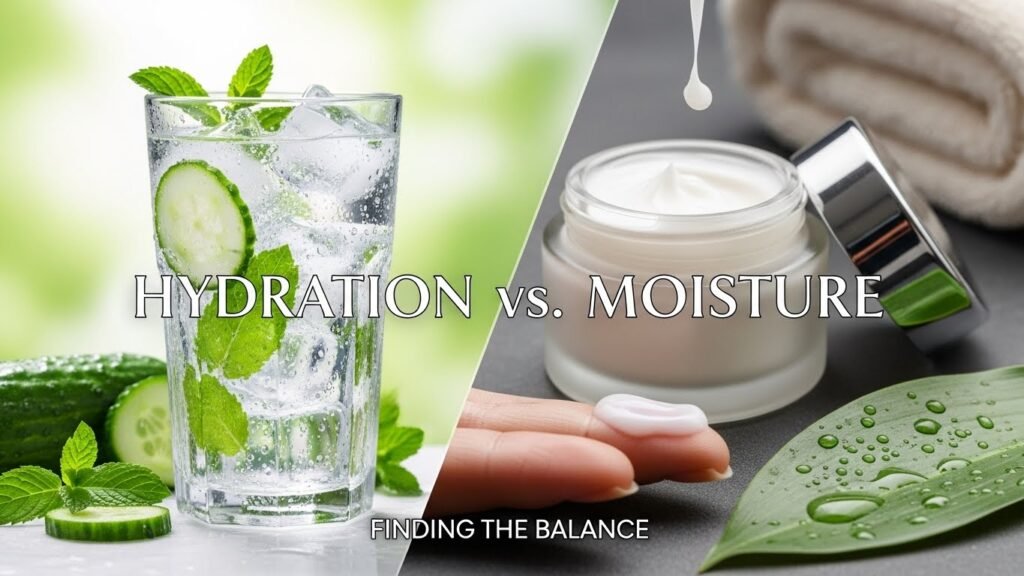
Hydration vs. Moisture: Finding the Balance
Many people confuse hydration (water content) with moisture (oil content). A healthy scalp needs both.
If your scalp feels tight, it is likely dehydrated. Look for humectants like hyaluronic acid or glycerin in your scalp serums. If your scalp is flaky and dry, you may need emollients like jojoba oil, which closely mimics natural human sebum.
However, avoid applying heavy oils (like coconut oil) directly to the scalp if you are prone to dandruff, as the yeast responsible for flakes feeds on these lipids. In such cases, lightweight, non-comedogenic oils are preferable.
Diet and Lifestyle Factors
Topical treatments can only go so far. Your internal health plays a massive role in the quality of the hair your follicles produce.
Nutrition for Follicles
A deficiency in essential nutrients often manifests as hair shedding. Ensure your diet includes:
- Omega-3 Fatty Acids: Found in salmon, walnuts, and flaxseeds, these keep the skin hydrated and reduce inflammation.
- Zinc: Crucial for tissue repair and oil gland function.
- Vitamin A: Helps produce healthy sebum.
- Protein: Hair is made primarily of keratin, a protein. Low protein intake causes hair to enter the resting phase prematurely.
For comprehensive advice, the Cleveland Clinic offers an excellent overview of nutrition for hair health.
Managing Stress
High stress levels trigger the release of cortisol. This hormone can disrupt the hair growth cycle and increase oil production, leading to scalp issues. Telogen effluvium is a condition where stress pushes hair follicles into a resting state, causing sudden shedding.
Incorporating yoga, meditation, or regular exercise can lower cortisol levels. Learn more about the link between stress and hair loss to manage your triggers effectively.
Practical Tips for Your Routine
Adopting a scalp-first haircare routine does not have to be complicated. Follow these practical steps to maintain optimal hygiene and health.
1. Wash Frequency
There is no one-size-fits-all rule. If you have an oily scalp, you may need to wash daily or every other day. If you have dry or curly hair, washing once or twice a week may suffice. The goal is to keep the scalp clean without stripping it.
2. Water Temperature
Avoid hot showers. Hot water can strip natural oils and cause inflammation. Rinse your hair with lukewarm water to preserve the lipid barrier.
3. Sun Protection
The scalp is skin, and it can get sunburnt. UV damage can weaken the hair root. Wear a hat or use a scalp-specific SPF spray when outdoors for extended periods. The Skin Cancer Foundation highlights the importance of protecting this vulnerable area.
4. Rinse Thoroughly
Leftover shampoo is a common cause of itchiness. Spend an extra minute rinsing your hair to ensure no residue remains.
When to See a Professional
While home remedies are effective for general maintenance, some conditions require medical intervention. You should consult a GP, dermatologist, or trichologist (a scalp specialist) if you experience:
- Severe, persistent itching that disrupts sleep.
- Painful sores, crusting, or bleeding.
- Patches of hair loss or bald spots.
- Scales that are silvery or extremely thick (potential psoriasis).
The British Association of Dermatologists provides resources on conditions like alopecia areata which require specialised care. Additionally, the NHS offers guidance on distinguishing between normal shedding and medical hair loss.
The Bottom Line
Achieving thicker, healthier hair is a journey that begins at the root. By treating your scalp with the same care and attention as your face—cleansing, exfoliating, and nourishing it—you create the optimal environment for hair growth.
Remember that consistency is key. It may take several weeks of a new scalp care regime before you notice a reduction in shedding or an improvement in hair volume. Be patient, listen to your skin, and adjust your routine as the seasons change.
Focusing on scalp health is not just a trend; it is the scientific foundation of beautiful hair.