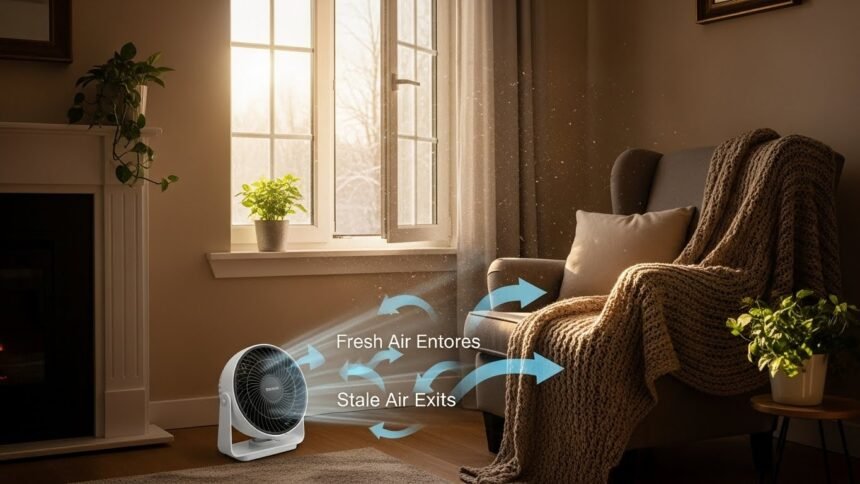
When the temperature outside drops and the frost settles on the ground, your natural instinct is likely to seal your home as tightly as possible. We all want to keep the cold out and the warmth in, especially given the rising cost of energy bills.
However, turning your home into a sealed box during the winter months can lead to unintended consequences for both your property and your health. Poor air circulation creates a breeding ground for stale air, pollutants, and excess moisture.
Without fresh air exchange, humidity levels rise rapidly from everyday activities like cooking, showering, and even breathing. This accumulation of moisture is the primary cause of condensation, which can eventually lead to damp and hazardous mould growth.
Understanding how to balance heat retention with necessary airflow is a vital skill for home maintenance. You do not need to freeze to have fresh air. By implementing strategic ventilation habits, you can maintain a warm, energy-efficient home that supports your respiratory health.
This guide explores evidence-based strategies to ventilate your home effectively during the UK winter.
What is winter ventilation?
Ventilation is simply the process of replacing stale, indoor air with fresh, outdoor air. In the summer, this is easy; we leave windows open all day. In the winter, it requires a more calculated approach.
Proper ventilation regulates the moisture levels in your home. It removes volatile organic compounds (VOCs), allergens, and airborne viruses that accumulate when a house is sealed shut.
According to the World Health Organization (WHO), indoor air pollution is a significant health risk. Effective ventilation dilutes these pollutants, ensuring that the air you breathe is clean and oxygen-rich.
It is also a common misconception that ventilation always leads to heat loss. In reality, damp air requires more energy to heat than dry air. By exchanging damp, stale air for drier outdoor air, your central heating system can actually work more efficiently.
Signs your home needs better ventilation
If your home is poorly ventilated, it will often show you physical signs before you notice any health symptoms. Being vigilant about these indicators is key to preventing long-term damage.
Look out for the following signs:
- Condensation on windows: Water droplets forming on the inside of glass panes, particularly in the morning.
- Musty odours: A persistent, damp smell that does not go away with cleaning.
- Mould patches: Black or green speckles appearing on walls, ceilings, or around window frames.
- Peeling wallpaper or blistering paint: Caused by moisture seeping into the fabric of the building.
- Lingering smells: Cooking dinners or bathroom odours that hang in the air for hours.
Physical symptoms associated with poor air quality include:
- Frequent headaches or fatigue.
- Dry, itchy eyes or skin irritation.
- Worsening of allergies or asthma symptoms.
- Persistent coughs or colds.
If you notice these issues, it is time to prioritise your air exchange strategy.
Actionable steps for winter ventilation
Ventilating your home does not mean leaving a window wide open all day and watching your money fly out. It is about controlled, purposeful actions.
Here are the most effective methods for maintaining air quality without sacrificing comfort.
1. The ‘Shock’ Ventilation Method
This technique, known in Germany as Stosslüftung, is highly effective for retaining heat while changing the air. Instead of leaving a window slightly ajar for hours (which cools down the walls and furniture), you open windows wide for a short burst.
How to do it:
- Open multiple windows on opposite sides of the house to create a cross-draught.
- Leave them open for just 5 to 10 minutes.
- Do this once in the morning and once before bed.
This rapidly exchanges the air volume. The walls and furniture retain their heat, meaning the room warms up quickly once the windows are closed again.
2. Utilise Trickle Vents
Most modern double-glazed windows in the UK are fitted with trickle vents. These are small, slotted vents found at the top of the window frame.
Many people keep these closed to prevent draughts, but they are designed to be left open. They allow a small, controlled amount of background ventilation that helps manage humidity without causing a significant drop in room temperature.
Check your windows and ensure these vents are in the ‘open’ position, particularly in bedrooms and living areas.
3. Control Moisture at the Source
Prevention is better than cure. Reducing the amount of moisture you release into the air reduces the amount of ventilation needed to clear it.
Key habits to adopt:
- Cooking: Always use lids on saucepans and turn on the extractor fan. If you do not have a fan, open the kitchen window slightly while cooking.
- Bathing: Keep the bathroom door closed while showering and for 20 minutes afterwards. Run the extractor fan or open the window to let the steam escape directly outside, rather than drifting into the hallway.
- Laundry: Avoid drying clothes on radiators. This releases litres of water into the air. If you must dry clothes indoors, use a drying rack in a small room with the window open and the door closed.
For more on managing condensation, the NHS provides comprehensive guidance on damp and mould prevention.
4. Mechanical Ventilation
If natural ventilation is insufficient, mechanical solutions can help. Extractor fans in kitchens and bathrooms are essential. Ensure they are clean and functioning correctly.
For a more comprehensive solution, Mechanical Ventilation with Heat Recovery (MVHR) systems extract stale air while recovering the heat to warm the incoming fresh air. While this is a larger investment, the Energy Saving Trust notes it can significantly improve ventilation efficiency.
Comparison of Ventilation Methods
The following table compares different approaches to managing indoor air quality during winter.
| Method | Cost | Heat Loss | Efficiency | Best For |
|---|---|---|---|---|
| Shock Ventilation | Free | Low (if timed correctly) | High | Daily air exchange in all rooms. |
| Trickle Vents | Free | Minimal | Moderate | Constant background airflow. |
| Extractor Fans | Low (Electricity) | Low | High | Removing steam from bathrooms/kitchens. |
| Dehumidifier | Moderate (Electricity) | None (creates slight heat) | High | Homes with severe damp issues. |
| Leaving Window Ajar | Free | High | Low | Not recommended for winter use. |
Common Indoor Pollutants
Winter ventilation is not just about water vapour. Our homes contain various airborne irritants that build up when doors remain closed.
- Carbon Monoxide (CO): A silent killer produced by faulty fuel-burning appliances. Ensure you have a working alarm. The Health and Safety Executive (HSE) offers vital advice on gas safety.
- Dust Mites: These thrive in humid environments. Keeping humidity below 50% helps keep their numbers down.
- Volatile Organic Compounds (VOCs): Chemicals released from cleaning products, paints, and new furniture.
- Nitrogen Dioxide: Produced by gas cookers.
For those with respiratory conditions, Asthma + Lung UK highlights how indoor triggers can exacerbate symptoms during winter.
Tips for Preventing Mould
Mould is the ultimate enemy of the winter home. It looks unsightly and produces spores that are harmful to breathe.
- Maintain a consistent temperature. Try not to let your home’s temperature drop below 14°C, even when you are out. Cold surfaces attract condensation.
- Move furniture away from walls. Leave a gap of at least 5cm behind wardrobes and sofas, especially against external walls, to allow air to circulate.
- Wipe down condensation. If you see water on your windows in the morning, wipe it away with a cloth or a window vacuum immediately.
For tenants facing persistent issues, Shelter England provides advice on reporting repairs related to damp.
Frequently Asked Questions
Does opening windows increase my energy bills significantly?
Not necessarily. While you lose some warm air, replacing damp air with dry air makes your heating system more efficient. Dry air heats up faster. Short bursts of ventilation are more economical than dealing with the long-term costs of damp damage.
Should I use a humidifier in winter?
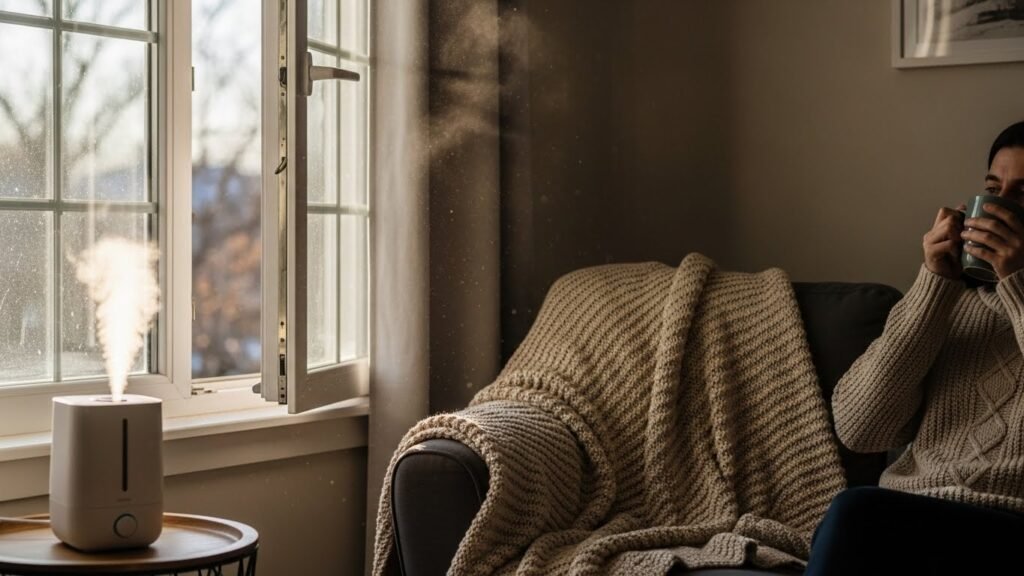
Generally, no. In the UK, winter air inside homes is often too humid due to condensation. Adding moisture can promote mould growth. However, if you have very dry air causing skin irritation, Healthline suggests monitoring levels carefully before using humidifiers.
Is a dehumidifier a substitute for ventilation?
A dehumidifier removes moisture but does not introduce fresh oxygen or remove pollutants like VOCs. It is an excellent tool for drying laundry or managing damp, but you still need to open windows occasionally for fresh air.
How do I check my air quality?
You can purchase simple hygrometers online for a low cost. These measure the relative humidity in your room. Ideally, indoor humidity should sit between 40% and 60%. The Met Office explains how humidity impacts comfort.
What if I live on a busy road?
If opening windows exposes you to traffic pollution, try to ventilate during off-peak traffic hours or focus on windows facing away from the street. The GOV.UK website provides statistics on air quality that can help you understand local risks.
The Bottom Line
Properly ventilating your home during the winter is a balancing act, but it is essential for your property’s longevity and your family’s health.
By adopting the ‘shock’ ventilation method, utilising trickle vents, and managing moisture at the source, you can enjoy a warm home without the risks of damp and stale air.
Remember that dry air is cheaper to heat. Prioritising airflow is not just about hygiene; it is a smart financial decision.
For further guidance on indoor air standards, the World Health Organization offers global air quality guidelines to help you breathe easier this winter.
Start small: open your windows for five minutes tomorrow morning. Your lungs—and your home—will thank you.