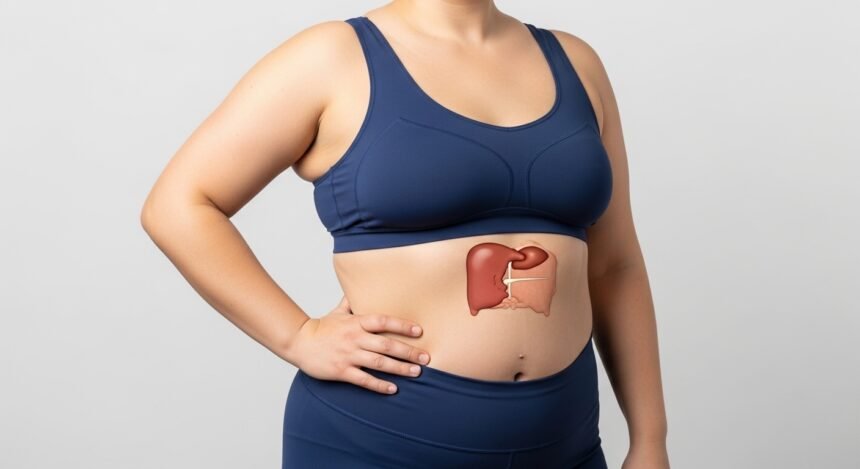
Stepping onto a modern bathroom scale often reveals more than just your weight. In the age of smart technology, many of us are confronted with a dashboard of metrics: body water, muscle mass, bone density, and the often-misunderstood visceral fat rating. While seeing your weight fluctuate can be emotional, the visceral fat number is arguably the most critical metric for your long-term health.
Understanding your visceral fat scale reading is essential for managing metabolic health. Unlike the soft, pinchable fat just beneath your skin, visceral fat is hidden deep within the abdominal cavity, wrapping around vital organs like the liver, pancreas, and intestines. This positioning makes it biologically active and potentially dangerous.
This guide explores how these scales work, how to interpret the data, and what steps you can take if your numbers are higher than recommended.
How Visceral Fat Scales Work
Most home body composition monitors use a technology called Bioelectrical Impedance Analysis (BIA). When you stand on the metal footplates, the scale sends a weak, imperceptible electrical current through your body. Because fat tissue contains less water than muscle and conducts electricity differently, the scale can estimate the composition of your tissues.
However, bioelectrical impedance analysis accuracy can vary. The current travels easily through the water in muscle but faces resistance (impedance) when it hits fat. By combining this resistance data with your height, gender, and age, the scale uses an algorithm to calculate your smart scale body composition.
It is important to note that home scales do not directly scan your organs. Instead, they estimate the amount of intra-abdominal adipose tissue based on total body fat and statistical data. While a CT scan or MRI remains the gold standard for diagnosis, modern scales provide a useful, consistent baseline for tracking changes over time.
Interpreting Your Results: The Visceral Fat Rating Chart
When you check your device, you will likely see a number ranging from 1 to 59 (depending on the brand, such as Tanita or Omron). Understanding this visceral fat rating chart is crucial for assessing your risk level.
The Standard Ratings
- Rating 1–9 (Healthy Standard): This indicates a healthy level of visceral fat. Your risk of metabolic diseases is considered low. Maintaining this range is ideal.
- Rating 10–14 (High): This score suggests you have excess visceral fat. A visceral fat level 10 meaning is that you are on the borderline where health risks begin to increase significantly. Dietary changes and increased activity are recommended.
- Rating 15–59 (Very High): A score in this range indicates a dangerous accumulation of fat around your organs. Immediate lifestyle intervention is advised to prevent chronic conditions.
It is worth noting that the normal visceral fat range for women and men can differ slightly regarding total volume, but the rating scales on these devices are generally standardised to alert you to health risks regardless of gender.
Visceral vs. Subcutaneous Fat: Knowing the Difference
To understand your results, you must grasp the subcutaneous vs visceral fat difference. Subcutaneous fat is the “jiggly” fat stored just under the skin. It is what you can pinch on your waist or thighs. While it impacts aesthetics, it is less metabolically harmful than visceral fat.
Visceral fat is often called “active fat” because it functions almost like an independent organ, releasing pro-inflammatory cytokines and hormones that disrupt your body’s regulation of insulin and cholesterol. For a deeper dive into why some fat is harder to lose than others, you can read about The Stubborn Fat Science: Why Some Areas are Harder to Lean Out.
If your scale shows a high body fat percentage but a low visceral fat rating, your fat is likely stored subcutaneously. Conversely, it is possible to be “skinny fat”—having a normal weight but a high visceral fat rating, which carries significant health risks.
Health Risks of Hidden Belly Fat
Ignoring a high reading on a visceral fat scale can be perilous. The health risks of hidden belly fat are extensive and well-documented. High levels of visceral adiposity are directly linked to:
- Type 2 Diabetes: Excess fatty acids interfere with insulin signalling.
- Cardiovascular Disease: Visceral fat pumps free fatty acids into the liver, increasing bad cholesterol.
- Hypertension: It creates physical pressure on kidneys and hormonal imbalances.
According to Harvard Health, visceral fat is metabolically active and linked to higher risks of heart disease. Furthermore, the NHS highlights that waist measurement is often a better predictor of health than BMI alone.
Accuracy Factors and Verification
You might wonder about the accuracy of home body composition scales. While technology has improved, variables such as hydration levels, recent meals, and exercise can skew results. For example, if you are dehydrated, your electrical resistance increases, potentially showing a higher fat percentage.
How to Measure Visceral Fat at Home Without a Scale
If you doubt your digital reading, you can cross-reference it with manual methods on how to measure visceral fat at home:
- Waist Circumference: A waist measurement of 94cm (37 inches) or more for men, and 80cm (31.5 inches) or more for women, is linked to higher risk.
- Waist-to-Hip Ratio: This is a more precise metric. To perform a waist-to-hip ratio calculation, divide your waist measurement by your hip measurement. According to the World Health Organization, a ratio above 0.85 for women or 0.90 for men indicates abdominal obesity.
These manual checks are excellent metabolic syndrome indicators and can confirm if the scale’s high rating is a genuine cause for concern.
Management and Treatment
If your visceral fat scale reading is above 9, do not panic. Visceral fat is actually more responsive to diet and exercise than subcutaneous fat because of its high blood flow.
1. Dietary Adjustments
Diet is the primary driver of reducing dangerous belly fat. Cutting out refined sugars and alcohol is critical, as the liver converts these directly into visceral fat. Incorporating specific natural aids can also support your metabolism. For instance, many people find success by integrating beverages that support oxidation; you might explore The Best Fat Burner Tea: Herbs and Infusions for Natural Weight Loss.
Additionally, supplementing with healthy fats rather than avoiding fat entirely is beneficial. Medium-chain triglycerides, for example, are metabolised differently. Learn more about MCT Oil Benefits: How Medium-Chain Triglycerides Support Ketosis to see if this fits your nutritional strategy.
2. Targeted Supplementation
Certain supplements show promise in targeting metabolic health. Research into CLA Supplements: What the Research Says About Conjugated Linoleic Acid suggests modest benefits in body composition. Similarly, compounds like Berberine are gaining attention for their ability to regulate blood sugar, which is intimately tied to visceral fat accumulation. You can read more in our guide on Finding the Right Berberine Dosage for Weight Loss and Metabolic Health.
3. Strategic Exercise
While spot reduction is a myth, general weight loss often pulls from visceral stores first. High-Intensity Interval Training (HIIT) and aerobic exercise are particularly effective. A simple yet effective strategy is morning movement. Check out our analysis on Fasted Walking: Does Morning Cardio Help You Burn Fat Faster?.
If you are dealing with lower abdominal protrusion, distinguishing between visceral fat and posture or muscle weakness is key. See our tips on How to Reduce a Lower Belly Pooch: Exercise, Diet, and Lifestyle Tips.
The Role of Thermogenesis
Understanding how your body burns energy is vital when distinguishing body fat percentage vs visceral fat. Your body contains different types of adipose tissue, including Brown Adipose Tissue (BAT), which burns calories to generate heat.
Activating this tissue can be a powerful tool. Learn more about Brown Fat Activation: How to Turn on Your Body’s Calorie-Burning Tissue and the science behind Understanding Brown Adipose Tissue: Its Role in Thermogenesis and Health. Some people even utilise cold exposure to boost this process, as detailed in Cold Thermogenesis: Can Exposure to Cold Increase Your Metabolic Rate?.
When to See a Doctor
If your visceral adiposity index remains high despite consistent lifestyle changes, it is advisable to consult a healthcare professional. Hormonal imbalances, such as elevated cortisol (the stress hormone), can drive visceral fat storage. The Mayo Clinic notes that stress management is a crucial component of belly fat reduction.
Furthermore, persistent visceral fat is a key marker for metabolic syndrome. The National Heart, Lung, and Blood Institute defines this as a cluster of conditions that occur together, increasing your risk of heart disease, stroke, and type 2 diabetes.
Practical Tips for Accurate Readings
To get the most out of your visceral fat scale:
- Consistency is Key: Measure at the same time of day, ideally in the morning before eating and after using the toilet.
- Hydration: Drink water, but wait a measurable amount of time before stepping on the scale, as fluid balance impacts BIA.
- Clothing: Wear light clothing or no clothing to ensure the weight reading is accurate, which influences the algorithm.
The Bottom Line
A visceral fat scale is a valuable tool for monitoring internal health, offering insights that go far beyond simple weight. While the bioelectrical impedance analysis accuracy is not perfect, it provides a consistent trend line to track your progress.
Remember, a reading between 1 and 9 is your goal. If you find yourself in the 10+ range, view it as a constructive warning light from your body. Through targeted dietary changes, stress reduction, and consistent movement, visceral fat is often the first fat to go. By keeping an eye on these metrics, you are proactively protecting your heart and metabolic future.
For more clinical information on obesity and visceral fat, resources like Diabetes UK and the CDC provide excellent further reading. Additionally, understanding the link between stress and weight is vital, as discussed by the Cleveland Clinic.