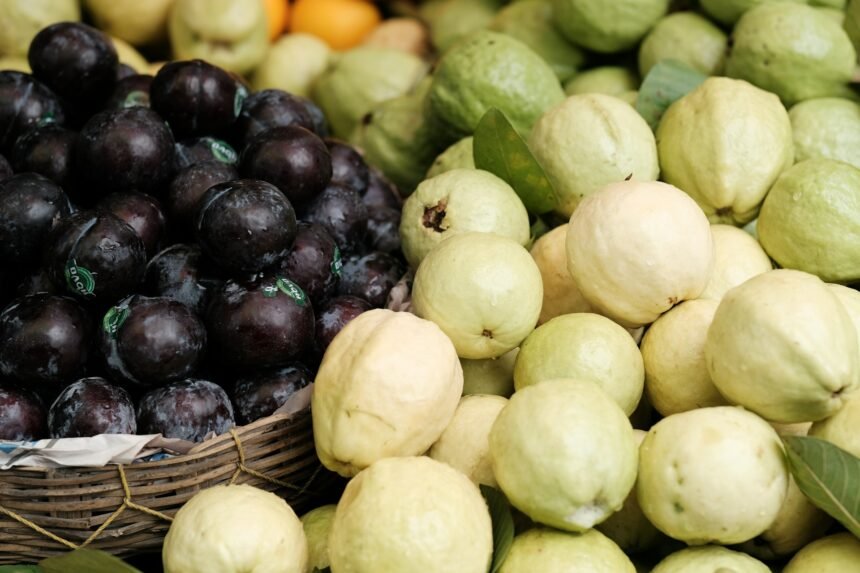
There is nothing quite like the sweet, floral scent of a perfectly ripe guava filling your kitchen. It promises a flavour profile that sits somewhere deliciously between a pear, a strawberry, and a lychee. However, finding a guava at the peak of ripeness in a standard supermarket can be a frustrating exercise. More often than not, the fruit you bring home is rock-hard, green, and completely lacking in that signature tropical aroma.
This is a common scenario for lovers of tropical fruit living in cooler climates. You purchase them with the best intentions, only to stare at them for days, wondering if they will ever soften. Understanding the science behind ripening is key to enjoying this nutritional powerhouse at its best. Guavas are delicate, and handling them correctly ensures you unlock their full potential rather than letting them spoil.
Furthermore, adding this fruit to your diet is a brilliant move for your wellbeing. They are packed with essential nutrients that support your immune system and digestion. If you are ready to stop guessing and start enjoying, read on to discover exactly how to ripen and store guava for maximum freshness.
What is Guava?
Guava is a tropical fruit produced by trees in the myrtle family, scientifically known as Psidium guajava. While they are native to Central and South America, they are now grown in tropical and subtropical regions worldwide. The fruit typically features a green or yellow skin with flesh that ranges from white to deep pink, depending on the variety.
In terms of nutrition, guavas are an absolute superfood. They are renowned for containing high levels of vitamin C—significantly more than oranges. This makes them a vital addition to your diet for immune support, especially during the colder months in the UK. Beyond vitamins, they are also rich in antioxidants and potassium.
One of the most notable features of guava is its dietary fibre content. Including fibre-rich foods in your daily routine is essential for maintaining robust digestive health and regulating blood sugar levels. Whether you are eating them raw, juicing them, or using them in desserts, understanding the fruit’s characteristics helps you appreciate its value.
Guavas are categorised as climacteric fruits. This means they continue to ripen after being harvested, similar to bananas and avocados. This biological trait is exactly what allows us to buy them hard and soften them at home using specific methods.
How to Ripen Guava
Ripening guava at home is a straightforward process, but it requires patience and a bit of know-how. The goal is to encourage the fruit to release ethylene gas, a natural plant hormone that triggers the ripening process, without allowing the fruit to rot or shrivel.
The Paper Bag Method
This is arguably the most reliable method for speeding up the ripening process. By trapping the ethylene gas the fruit naturally emits, you concentrate the exposure, causing the fruit to soften faster.
- Clean the fruit: Before ripening, gently wipe the guava with a clean, dry cloth to remove any dust. Do not wash it with water yet, as moisture can encourage mould.
- Bag it: Place the unripe guava inside a brown paper bag. Plastic bags are not recommended as they trap moisture and prevent airflow, leading to spoilage.
- Add a helper: To accelerate the process further, place a ripe banana or apple in the bag with the guava. These fruits are high ethylene producers.
- Seal and wait: Loosely fold the top of the bag. Keep it at room temperature, away from direct sunlight. Check the fruit daily.
The Rice Burial Method
If you do not have a paper bag, uncooked rice can serve as an excellent alternative. This method is often used for mangoes but works effectively for guavas too.
- Submerge the fruit: Place your unripe guava in a bowl or container filled with uncooked rice.
- Bury it completely: Ensure the fruit is fully covered by the grains. The rice helps trap ethylene gas close to the skin while also absorbing excess moisture, which reduces the risk of mould.
- Monitor closely: Check the fruit once or twice a day. The ripening process can happen surprisingly quickly in this environment.
Natural Counter Method
If you are not in a rush, simply leaving the guava on the kitchen counter is a perfectly viable option. This allows the fruit to ripen at its own natural pace.
- Placement: Keep the fruit at room temperature. Ensure it is placed on a flat surface where it will not be bruised.
- Avoid heat: Do not place the fruit near the oven or in direct sunlight, as excessive heat can cause the flesh to become mushy before it is truly ripe.
- Duration: Depending on how green the fruit was when purchased, this can take anywhere from two to six days.
Signs of Ripeness
Knowing when your guava is ready to eat is just as important as the ripening method. There are three main sensory cues to look for:
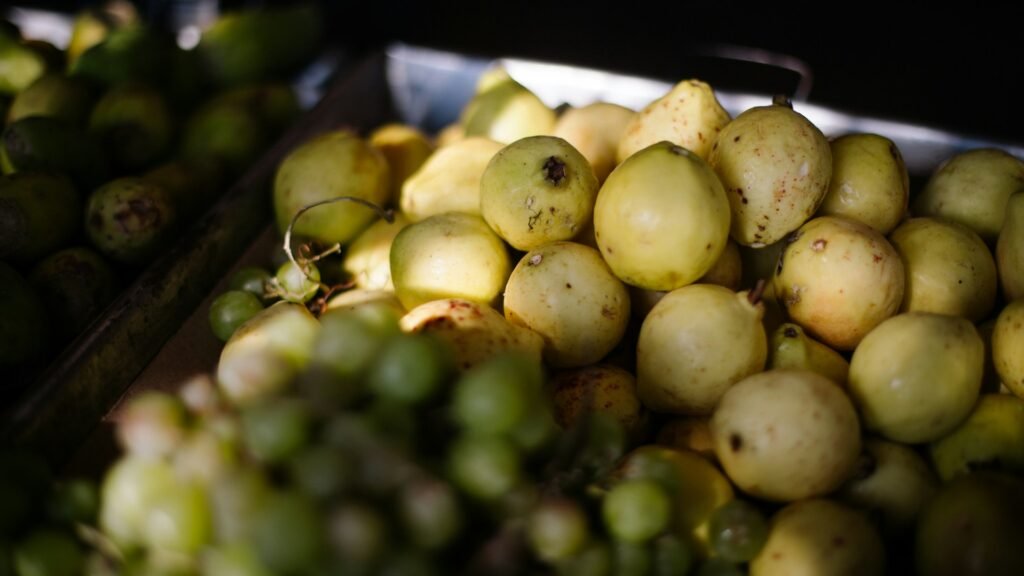
- Colour: As the fruit ripens, the skin will transition from a vibrant, dark green to a softer, yellowish-green or bright yellow. Some pink varieties may develop a subtle blush.
- Texture: Gently squeeze the fruit. A ripe guava should give slightly under pressure, similar to a ripe avocado. If it is rock hard, it needs more time. If it collapses or feels mushy, it may be overripe.
- Aroma: This is the most telling sign. Ripe guava emits a strong, sweet, and floral fragrance that you can smell without even holding the fruit to your nose. If there is no scent, the flavour has not yet developed.
Storing Guava for Freshness
Once your guava has reached peak ripeness, the clock starts ticking. At this stage, the fruit is incredibly perishable and must be stored correctly to maintain its quality.
If you plan to eat the fruit within a day or two, you can leave it at room temperature. However, for longer storage, the refrigerator is your best friend. Cold temperatures slow down the production of ethylene gas, effectively pausing the ripening process.
To store in the fridge, place the ripe guava in the crisper drawer. It is best to keep it in a plastic bag or container to prevent its strong aroma from flavouring other dairy or produce items nearby. Conversely, the bag protects the guava from absorbing other strong food odours.
Freezing Guava
For long-term storage, freezing is an excellent option. Guava freezes surprisingly well, retaining much of its flavour and nutrition, although the texture will change, making it better suited for smoothies or purees than raw eating.
- Wash and peel: Always wash fresh produce thoroughly under running water. Peel the skin if you prefer, though it is edible.
- Slice: Cut the fruit into wedges or chunks.
- Flash freeze: Spread the pieces on a baking tray lined with parchment paper and freeze until solid. This prevents them from clumping together.
- Pack: Transfer the frozen chunks into an airtight freezer bag. Label with the date. They can last up to eight months.
Storage Comparison Guide
The table below outlines the expected shelf life of guava depending on the storage method and the state of the fruit.
| Storage Method | Fruit State | Estimated Shelf Life | Best For |
|---|---|---|---|
| Countertop (Room Temp) | Unripe (Green) | 2–6 Days | Ripening the fruit naturally. |
| Countertop (Room Temp) | Ripe (Yellow) | 1–2 Days | Immediate consumption. |
| Refrigerator (Crisper) | Ripe | 4–7 Days | Extending freshness for weekly eating. |
| Refrigerator (Cut) | Ripe & Sliced | 2–3 Days | Meal prep (store in airtight container). |
| Freezer | Ripe pieces | 8–12 Months | Smoothies, baking, and jams. |
Frequently Asked Questions
Can you eat the skin of a guava?
Yes, the skin of a guava is completely edible and is actually where much of the vitamin C is concentrated. However, the texture can be slightly bitter or tough depending on the variety. If you choose to eat the skin, ensure you wash the fruit thoroughly to remove any wax or residues.
What should I do with the seeds?
The seeds in a guava are edible, but they can be very hard. You can chew them, swallow them whole, or spit them out. For culinary preparations like mousses or jams, it is common to scoop out the centre or strain the pulp to remove the seeds for a smoother texture.
Why is my guava flesh pink instead of white?
Guava comes in many varieties. The most common distinctions are between “white” and “pink” (or red) guavas. Pink guavas typically contain higher levels of carotenoids, which give them their colour, while white guavas are often noted for having more sugar and a slightly different acid profile. Both offer 8 evidence-based health benefits and are excellent choices.
How do I know if a guava has gone bad?
Inspect the fruit for dark, sunken spots or blemishes that go deeper than the surface. If the fruit feels excessively mushy or leaks liquid, it is overripe. A fermented or vinegar-like smell indicates that the fruit has spoiled and should be discarded.
Is guava good for weight loss?
Due to its high fibre content and relatively low calorie count, guava is a fantastic snack for weight management. It helps keep you fuller for longer, reducing the likelihood of unhealthy snacking. Always check standard portion sizes to ensure a balanced diet.
The Bottom Line
Enjoying a perfectly ripe guava is one of the simple joys of eating tropical fruit, but it requires a little patience and the right technique. By using the paper bag method or the rice trick, you can easily accelerate the ripening process at home. Remember to trust your senses—look for the colour shift to yellow, the gentle yield to pressure, and that unmistakable floral aroma.
Once ripe, prioritise moving your fruit to the fridge to preserve that freshness for up to a week. Whether you enjoy it raw, as a versatile ingredient in a tropical salad, or blended into a smoothie, you are treating your body to a nutrient-dense superfood. With these simple storage tips, you never have to waste a guava again. To learn more about the botanical background of this fascinating fruit, you can visit the Kew Gardens plant profile.