There are few things more disappointing in the produce aisle than craving a sweet, tangy kiwi, only to find that every single fruit on the display is rock hard. If you have purchased green or gold kiwis that feel more like stones than succulent fruit, you are certainly not alone. It is a common frustration for shoppers across the UK.
Kiwis are typically harvested before they are fully ripe to ensure they survive transport without bruising. While this guarantees they arrive at the supermarket in one piece, it often means they are not ready to eat immediately. Trying to spoon out the flesh of an under-ripe kiwi is not only difficult, but the flavour is also often sour, woody, and unappealing.
Fortunately, you do not have to wait a week to enjoy your fruit. By understanding the science behind fruit ripening, you can speed up the process significantly using simple household items. Furthermore, knowing how to store them correctly once they reach peak ripeness will ensure you reduce waste and enjoy the best possible flavour.
In this article, we explain exactly how to ripen kiwis quickly, the science behind the methods, and the best ways to keep them fresh.
Overview: Why Are My Kiwis So Hard?
Before diving into the methods, it helps to understand why kiwis are sold hard. Kiwifruit, botanically known as specific species within the genus Actinidia, are climacteric fruits. This means they continue to ripen after being picked.
Growers harvest them when they are mature but firm. If they were picked when soft, they would be destroyed during shipping. Once off the vine, the starch in the fruit gradually converts to sugar, and the fruit softens. This process is driven by ethylene gas, a natural plant hormone.
To speed up ripening, we simply need to manipulate the environment to concentrate this gas or increase the temperature slightly. However, patience is still a virtue; forcing the process too aggressively with high heat can ruin the texture.
Symptoms and causes of unripe fruit
How do you know if your kiwi is truly unripe? Aside from the obvious hardness, there are a few tell-tale signs.
Common indicators include:
- Firmness: If you squeeze it gently and there is zero ‘give’, it is under-ripe.
- Scent: Unripe kiwis have very little aroma. A ripe kiwi will smell sweet and floral.
- Taste: If you attempt to eat one, it will be extremely tart, acidic, and the core will be tough.
The cause is simply a lack of physiological maturity post-harvest. The starches have not yet broken down into the sugars that provide that characteristic tropical sweetness. This conversion requires time and the presence of ethylene.
Diagnosis and treatment: How to ripen kiwis fast
If you have a bowl of hard fruit, do not despair. You can accelerate nature’s process using these proven methods. Here is a detailed breakdown of the most effective techniques.
1. The Paper Bag Method
This is the gold standard for ripening almost any climacteric fruit. It is simple, effective, and requires no special equipment.
How to do it:
- Place your hard kiwis inside a plain brown paper bag.
- Fold the top of the bag over loosely to close it.
- Leave the bag on your kitchen counter at room temperature.
Why it works:
The paper bag traps the ethylene gas that the kiwis naturally emit. As the gas builds up, it signals the fruit to ripen faster. Crucially, paper is porous, allowing oxygen to enter and excess moisture to escape. This prevents the fruit from sweating and rotting, which can happen in plastic bags.
2. The Apple or Banana Companion Trick
If you want to speed things up even further, enlist the help of other fruits. Apples and bananas are prolific producers of ethylene gas.
How to do it:
- Place your kiwis in a paper bag or a fruit bowl.
- Add one ripe apple or a banana to the mix.
- Keep them at room temperature, out of direct sunlight.
Why it works:
The extra dose of ethylene from the companion fruit acts as a catalyst. This can cut the ripening time in half. Just be sure to check them daily, as they can turn from hard to mushy very quickly with this method. This is a great way to ensure you meet your vitamin C intake sooner rather than later.
3. The Rice Bowl Technique
This method is less common but highly effective for trapping gases without inducing mould.
How to do it:
- Bury your hard kiwis completely in a container of uncooked rice.
- Leave them at room temperature.
Why it works:
The rice acts similarly to the paper bag but creates a denser seal around the fruit, trapping the ethylene very close to the skin. The rice also absorbs moisture, preventing mould growth.
4. The Warm Spot
Temperature plays a massive role in chemical reactions. Cold slows them down; warmth speeds them up.
How to do it:
- Place your kiwis in a warmer part of the kitchen, perhaps near the cooker (but not on it) or on top of the fridge.
- Avoid direct sunlight, which can cook the fruit.
Why it works:
Gentle warmth increases the rate of respiration and enzymatic activity within the fruit. However, this method requires vigilance. Too much heat can cause the fruit to ferment.
What NOT to do
- Do not microwave them: This will boil the cells, resulting in a mushy, unappetising mess.
- Do not use direct sun: Sunlight is too harsh and can cause uneven ripening or rotting.
- Do not use airtight plastic bags: Without airflow, the fruit will sweat and likely grow mould before it ripens.
Tips for management: Storing your kiwis
Once your kiwis are ripe, the clock starts ticking. Proper storage is vital to ensure you have time to enjoy the health benefits of kiwis without needing to throw them away.
Storing Unripe Kiwis
If you have bought a bulk pack and do not need them all immediately, keep the unripe ones in the fridge. The cold temperature effectively hits the ‘pause’ button on the ripening process. They can stay fresh and firm in the fridge for up to four weeks.
Storing Ripe Kiwis
Once the fruit yields slightly to gentle pressure, it is ready to eat.
- Room Temperature: Ripe kiwis will last about 2 to 3 days on the counter.
- Refrigeration: To extend their life, move ripe kiwis to the fridge. They will stay fresh for another 5 to 7 days. Keep them away from other ethylene-producing fruits if you want them to last longer.
Freezing Kiwis
Can you freeze kiwis? Yes, but the texture will change. Frozen kiwi is best used for smoothies.
To freeze:
- Peel the ripe kiwi.
- Slice it into rounds.
- Place slices on a baking tray to freeze individually (flash freezing).
- Transfer to a freezer bag once solid.
This is a fantastic way to reduce food waste if you have ripened too many at once.
Comparison of Ripening Methods
To help you decide which method suits your schedule, we have compiled this comparison data.
| Method | Estimated Time to Ripeness | Pros | Cons |
|---|---|---|---|
| Countertop (Natural) | 3–7 Days | Most even ripening; best flavour texture. | Takes the longest; requires patience. |
| Paper Bag Only | 2–4 Days | Faster than counter; protects fruit. | Still requires a few days wait. |
| Paper Bag + Apple/Banana | 1–2 Days | Fastest natural method. | Can over-ripen quickly; requires checking daily. |
| Rice Container | 2–3 Days | Prevents moisture buildup effectively. | You get fruit dust on the skin (wash well). |
| Warm Spot | 2–4 Days | Good if you lack bags/rice. | High risk of uneven ripening or fermentation. |
Frequently Asked Questions
Can you eat the skin of a kiwi?
Yes, absolutely. While the fuzzy texture puts some people off, the skin is edible and highly nutritious. It contains a significant amount of the fruit’s fibre and antioxidants. Just ensure you wash it thoroughly to remove any debris or potential residues, following general food safety standards.
How do I tell if a kiwi has gone bad?
If the fruit is extremely soft (mushy) to the touch, oozing liquid, or smells fermented (like alcohol or vinegar), it is past its prime. Visually, look for dark, wet spots on the skin or mould.
Is there a difference between ripening Gold and Green kiwis?
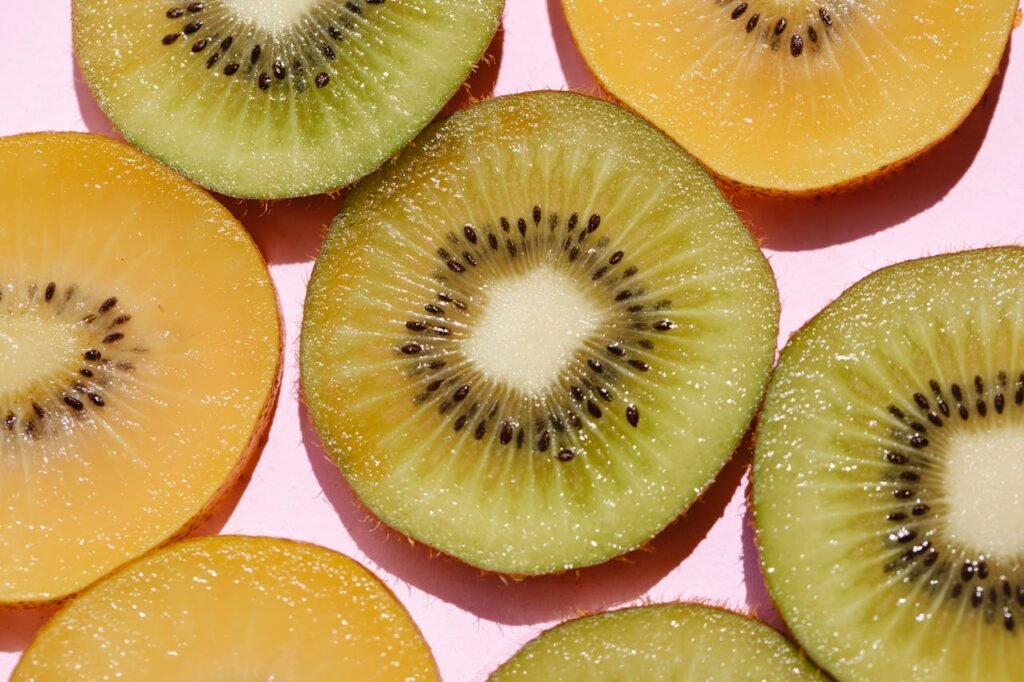
Generally, the process is the same. However, Gold kiwis often have a thinner, smoother skin and can be more sensitive to bruising. Handle them with extra care. Gold kiwis are also naturally sweeter and may seem to ripen slightly faster due to their higher sugar content.
Why does my kiwi taste fizzy?
A fizzy or tingling sensation often indicates that the fruit has started to ferment. This happens when it becomes over-ripe. While usually harmless in small amounts, the flavour is not ideal, and it suggests the fruit is on the verge of spoiling.
The nutritional value of kiwis
It is worth the effort to ripen them properly because kiwis are a nutritional powerhouse. They are packed with vitamins and minerals that support overall health.
High in Vitamin C
Just one kiwi can provide your entire daily requirement of Vitamin C. This nutrient is essential for immune function, collagen production, and wound healing. It is a vital part of a balanced diet.
Digestive Health
Kiwis contain an enzyme called actinidin, which helps break down proteins. This, combined with high levels of dietary fibre, makes them excellent for digestion. Regular consumption can help prevent constipation and maintain a healthy gut microbiome.
Heart Health
The potassium content in kiwis rivals that of bananas. Potassium is crucial for maintaining healthy blood pressure levels. Furthermore, the fibre helps manage cholesterol levels, contributing to overall cardiovascular health.
Low Glycaemic Index
Despite their sweet taste, kiwis have a low glycaemic index (GI). This means they release sugar into the bloodstream slowly, making them a suitable fruit choice for those trying to manage blood sugar levels.
The bottom line
Waiting for a kiwi to ripen requires a little patience, but the reward is a delicious, nutrient-dense fruit that contributes to your 5 A Day. While leaving them on the counter is the natural way, using a paper bag or adding a banana can significantly speed up the process.
Remember to check your fruit daily once you begin a ripening method. The window between “perfectly ripe” and “over-ripe” can be small, especially in warmer months. By mastering these simple techniques and understanding the role of ethylene gas, you can ensure you always have sweet, juicy kiwis ready for snacking, smoothies, or fruit salads.
Whether you eat them with a spoon, slice them onto yoghurt, or bite into them like an apple, kiwis are a versatile addition to a healthy lifestyle. For more ideas on how to use them, you can explore various creative recipes for kiwi. Proper storage in the fridge will keep them fresh for longer, helping you maintain healthy snacking habits throughout the week.