
Cauliflower has undergone a remarkable transformation in recent years. Once relegated to a boiled, somewhat bland side dish often hidden under cheese sauce, it has emerged as a culinary superstar. From pizza crusts to rice alternatives, this cruciferous vegetable is celebrated for its versatility and low-carbohydrate profile.
However, among the myriad ways to prepare it, roasted cauliflower remains arguably the most delicious and nutritionally accessible method. Roasting transforms the vegetable’s texture and flavour profile through distinct chemical reactions, turning it from firm and bitter to tender, nutty, and sweet.
Beyond its culinary appeal, cauliflower is a nutritional powerhouse. It provides essential vitamins, minerals, and antioxidants that support overall health, including heart health and digestion.
This article explores the science behind the perfect roast, the nutritional benefits of this preparation method, and a step-by-step guide to achieving the perfect texture every time.
Overview
Cauliflower (Brassica oleracea var. botrytis) belongs to the cruciferous vegetable family, alongside broccoli, kale, and Brussels sprouts. It is naturally high in fibre and B-vitamins while providing high concentrations of antioxidants and phytonutrients that can protect against cancer.
While raw cauliflower is crunchy and mild, cooking it—specifically roasting—unlocks a depth of flavour that makes it a favourite even among those who dislike vegetables. The high heat of the oven facilitates caramelisation, which enhances the natural sugars found in the plant.
Understanding the nutritional landscape of cauliflower is essential for appreciating why it should be a staple in your diet. A single serving contains 100% of the recommended daily amount of Vitamin C, supporting immune function and skin health.
Factors Influencing Taste and Nutrition
When preparing roasted cauliflower, several scientific and nutritional factors come into play. Understanding these helps explain why roasting is superior to boiling for flavour retention and nutrient absorption.
The Maillard Reaction
The primary reason roasted cauliflower tastes significantly better than steamed versions is the Maillard reaction. This is a chemical reaction between amino acids and reducing sugars that gives browned food its distinctive flavour. It typically occurs rapidly from around 140°C to 165°C (280°F to 330°F).
When you roast cauliflower at high temperatures, the surface moisture evaporates, allowing the florets to brown. This creates complex flavour compounds that are simply not possible to achieve through boiling.
Nutrient Retention vs. Loss
Cooking methods affect nutrient density. Water-soluble vitamins, such as Vitamin C and B vitamins, are often lost when vegetables are boiled, as they leach into the cooking water.
Roasting is a dry-heat cooking method, which helps retain more of these water-soluble vitamins compared to boiling. However, it is important to note that very high heat for prolonged periods can degrade Vitamin C slightly, though the trade-off is often worth it for the increased palatability and consumption rates.
Fibre and Digestion
Cauliflower is rich in fibre, which is crucial for feeding the healthy bacteria in your gut. According to the NHS, high-fibre foods reduce the risk of heart disease, stroke, and type 2 diabetes. Roasting softens the tough cellular structure of the cauliflower, making the fibre easier to digest for some individuals compared to eating it raw.
Nutritional Breakdown
The following table outlines the key nutrients found in one cup (approx. 100g) of raw cauliflower:
| Nutrient | Amount | % Daily Value (DV) |
|---|---|---|
| Calories | 25 | – |
| Fibre | 3g | 10% |
| Vitamin C | 48mg | 77% |
| Vitamin K | 15.5mcg | 20% |
| Folate | 57mcg | 14% |
| Potassium | 299mg | 9% |
Source: USDA FoodData Central
Treatment and Management: The Roasting Method
To achieve roasted cauliflower that is crispy on the edges and tender in the middle, specific techniques must be employed. Think of this section as the “treatment” for bland vegetables. The goal is to manage moisture and heat effectively.
Step 1: Selection and Preparation
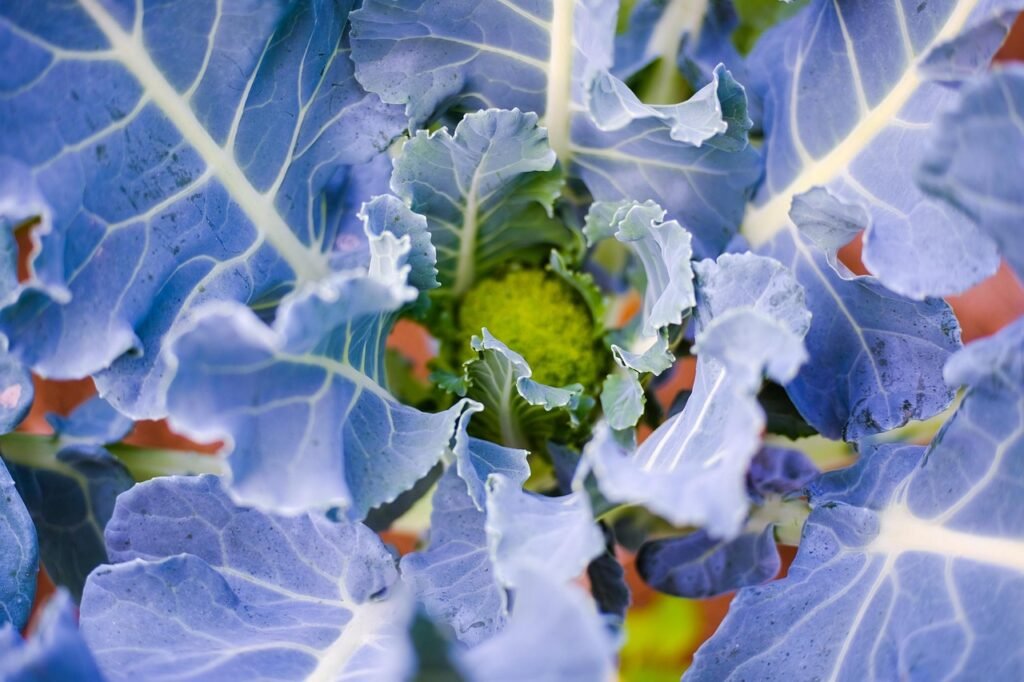
Start with a firm head of cauliflower that is free from brown spots. The leaves should be fresh and green. Remove the outer leaves and slice the stem off so the head sits flat. cut the head into even-sized florets.
Crucial Step: Ensure the florets are completely dry after washing. Excess moisture creates steam in the oven, preventing the roasting process and leading to soggy vegetables.
Step 2: Oil and Seasoning
Fat is essential for heat transfer and flavour. Coat the florets generously with a high-smoke-point oil. Olive oil is the standard choice, providing heart-healthy monounsaturated fats. The American Heart Association recommends using oils with healthy fat profiles for roasting.
- Oil: Use approximately 2 tablespoons per head of cauliflower.
- Salt: Essential for drawing out moisture and enhancing flavour.
- Toss: Use your hands to ensure every crevice is coated.
Step 3: Heat and Timing
Preheat your oven to 200°C (400°F) or 220°C (425°F). High heat is non-negotiable for achieving the desired texture.
- Spread the florets on a baking sheet. Do not overcrowd the pan. If the florets are touching, they will steam rather than roast.
- Roast for 25 to 35 minutes.
- Flip the florets halfway through the cooking time to ensure even browning.
Step 4: Assessing Doneness
The cauliflower is done when the edges are deep golden brown and a fork easily pierces the thickest part of the stem. The dark bits—often mistaken for burning—are actually the most flavourful parts resulting from caramelisation.
Practical Tips for Success
Even with a simple recipe, variables can affect the outcome. Here are expert tips to troubleshoot and elevate your dish.
Avoid the “Soggy” Trap
The most common complaint with roasted vegetables is a lack of crispiness. This is almost always caused by overcrowding the pan. Use two baking sheets if necessary. Air circulation is vital for crisping.
Boosting the Nutritional Profile
You can enhance the health benefits by adding spices that have anti-inflammatory properties.
- Turmeric: Contains curcumin, a potent anti-inflammatory compound. Pair with black pepper to increase absorption.
- Garlic: Adds allicin, which supports heart health. Add minced garlic in the last 5 minutes of roasting to prevent it from burning and becoming bitter.
- Lemon: A squeeze of fresh lemon juice after roasting adds Vitamin C and brightens the flavour, cutting through the richness of the oil.
Understanding Sulforaphane
Cauliflower is rich in glucosinolates, which the body breaks down into active compounds like sulforaphane. Research suggests that sulforaphane may have protective effects against certain forms of cancer. To maximise this, some chefs recommend chopping the cauliflower and letting it sit for 10 minutes before cooking to activate the enzymes.
Serving Suggestions
Roasted cauliflower is incredibly versatile. It can be served as a side dish, tossed into salads, or pureed into a soup.
- Keto-Friendly: It is a staple in ketogenic diets as a potato substitute. Healthline notes that cauliflower is one of the most versatile low-carb vegetables available.
- Sauce Pairings: Tahini (sesame paste) provides a rich source of calcium and pairs beautifully with the nuttiness of the roasted vegetable.
Storage and Reheating
Leftovers can be stored in an airtight container in the fridge for up to 4 days. However, roasted vegetables lose their crispness over time.
- Reheating: Do not microwave. Reheat in an oven or air fryer at 180°C (350°F) for 5-8 minutes to restore texture.
- Food Safety: Always ensure leftovers are cooled quickly before storing. Consult FoodSafety.gov for detailed guidelines on vegetable storage.
The Bottom Line
Roasted cauliflower is more than just a culinary trend; it is a scientifically sound method for making nutrient-dense food delicious and accessible. By utilising high heat and proper spacing, you transform a simple brassica into a complex, savoury dish.
From a health perspective, it offers a dense concentration of vitamins, minerals, and fibre that support everything from gut health to immune function. Whether you are following a low-carb diet or simply trying to increase your vegetable intake, roasting is an excellent preparation method.
Remember to pay attention to your oven temperature and avoid overcrowding the pan. With these simple adjustments, you can enjoy a perfect roast every time.
Read this next: The 13 Healthiest Leafy Green Vegetables