


Cauliflower has experienced a massive surge in popularity over the last decade. Once relegated to a soggy side dish often covered in cheese sauce, this cruciferous vegetable has reinvented itself as a low-carb substitute for rice, pizza crusts, and even mashed potatoes.
However, while cauliflower is incredibly versatile, the way you cook it significantly impacts its nutritional value. Many traditional preparation methods, such as boiling, can strip the vegetable of its most potent health benefits before it even reaches your plate.
If you are looking to maximise your intake of vitamins and antioxidants, steamed cauliflower is arguably the superior choice. It offers a gentle cooking environment that preserves texture, flavour, and, most importantly, nutrient density.
This article explores the science behind steaming cauliflower, provides a step-by-step guide to the perfect texture, and explains why this method is best for your health.
The Nutritional Powerhouse: What You Are Preserving
Before discussing the cooking method, it is essential to understand what nutrients are at stake. Cauliflower is not just white fibrous bulk; it is a complex matrix of vitamins and bioactive compounds.
According to the United States Department of Agriculture (USDA), a single serving of raw cauliflower is high in fibre and B vitamins. However, its primary claims to fame are:
- Vitamin C: Essential for immune function and collagen synthesis.
- Vitamin K: Vital for bone health and blood clotting.
- Glucosinolates: Sulphur-containing compounds that have been studied for their potential anticancer properties.
Unfortunately, Vitamin C is a water-soluble nutrient. This means it dissolves in water and is highly sensitive to heat. When you submerge cauliflower in boiling water, a significant percentage of this vitamin leaches out into the cooking liquid, which is usually discarded.
Furthermore, the enzymes required to convert glucosinolates into their active forms (like sulforaphane) can be destroyed by excessive heat. Cooking method matters immensely.
Why Steaming is Scientifically Superior
When you compare cooking methods, steaming consistently outperforms boiling and, in some cases, roasting, regarding nutrient retention.
The Problem with Boiling
Research published on PubMed highlights that boiling broccoli and cauliflower causes significant losses of chlorophyll, Vitamin C, and soluble proteins and sugars. The water acts as a solvent, pulling nutrients out of the plant cells.
The Benefit of Steaming
Steaming cooks the vegetable using the heat of water vapour. Because the cauliflower is suspended above the liquid rather than submerged in it, there is no medium for the vitamins to leach into.
A study cited by ScienceDirect indicates that steaming treatments generally result in higher retention of glucosinolates compared to boiling or stir-frying. This makes steamed cauliflower the gold standard for health-conscious cooks.
Step-by-Step: How to Steam Cauliflower (Stovetop Method)
The stovetop method is the classic approach and offers the most control over texture. It requires a pot and a steamer basket.
1. Preparation
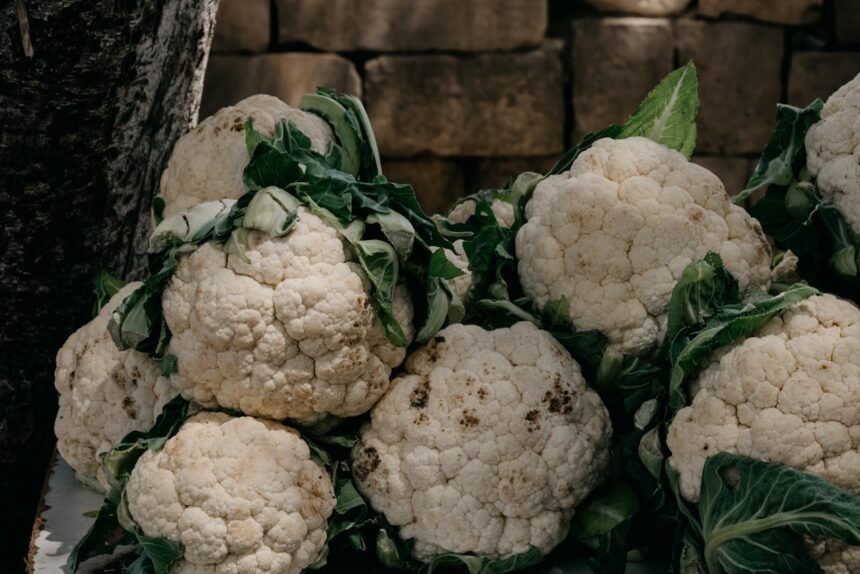
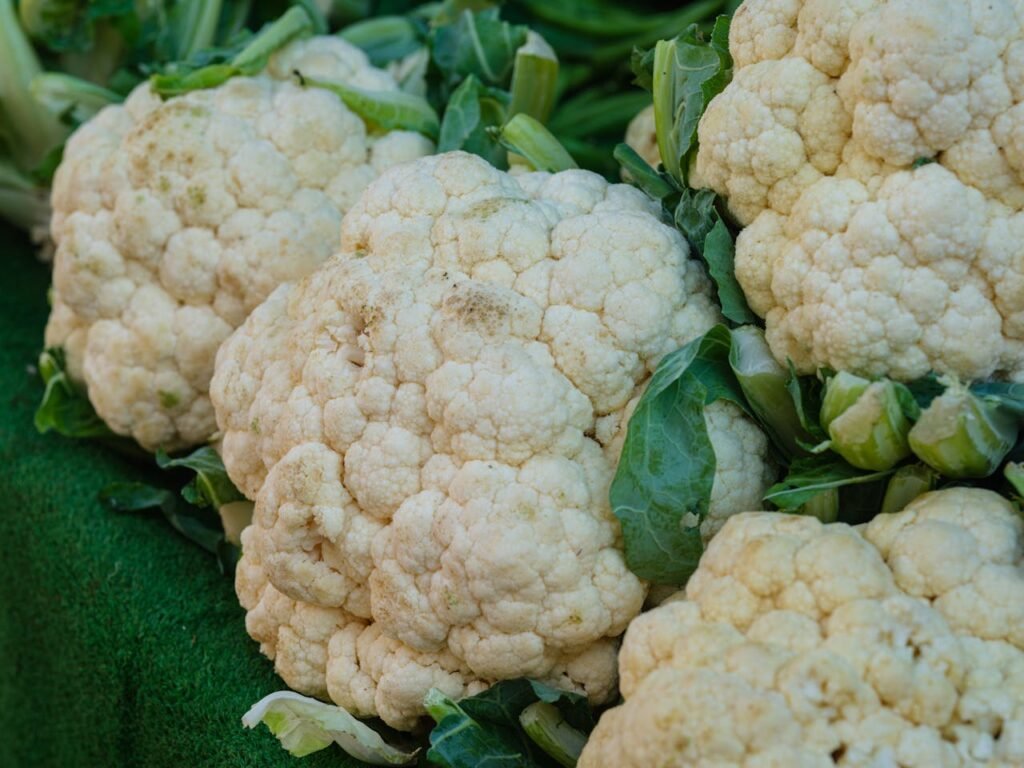
Start by choosing a fresh head of cauliflower. Look for creamy white florets with no brown spots and tightly packed clusters. The leaves should be crisp and green.
Remove the outer leaves and cut the thick stem off at the base. Break the head into bite-sized florets. Try to keep them relatively uniform in size to ensure even cooking.
Tip: Do not discard the core! Peel the tough outer skin of the stem, slice the inner heart into coins, and steam them alongside the florets. They are sweet and tender.
2. The Setup
Fill a medium-sized pot with about 2 to 3 centimetres of water. Place a steamer basket inside. The water level should be just below the bottom of the basket so it does not touch the vegetables.
Bring the water to a rolling boil over high heat.
3. The Steam
Once the water is boiling, add the cauliflower florets to the basket. Cover the pot with a tight-fitting lid. This captures the steam and creates a pressurised environment that cooks the veg quickly.
4. Timing is Critical
Reduce the heat to medium-high. Let the cauliflower steam for 5 to 6 minutes.
| Desired Texture | Cooking Time |
|---|---|
| Crisp-Tender (Best for Salads) | 4–5 minutes |
| Tender (Best for Side Dish) | 5–7 minutes |
| Very Soft (Best for Mash/Puree) | 8–10 minutes |
5. The Fork Test
At the 5-minute mark, lift the lid (carefully, tilting it away from your face to avoid steam burns) and pierce a floret with a fork. It should go in easily but still offer slight resistance.
Remove the basket immediately. If you leave it in the pot with the heat off, the residual steam will continue to cook the vegetable, leading to mushiness.
Alternative Method: Microwave Steaming
If you are short on time, the microwave is a valid alternative. While some fear microwaves destroy nutrients, Harvard Health suggests that because microwaving cooks food quickly and uses very little water, it actually preserves nutrients quite well.
- Place florets in a microwave-safe glass bowl.
- Add 2 tablespoons of water.
- Cover with a microwave-safe plate or vented cling film.
- Microwave on high for 3 to 4 minutes.
- Let it stand for 1 minute before checking.
Common Mistakes to Avoid
Even with a simple method like steaming, things can go wrong. Avoid these common pitfalls to ensure your steamed cauliflower is delicious.
Overcrowding the Basket
If you pile the florets too high, the ones at the bottom will turn to mush before the ones at the top are cooked. If you have a large head of cauliflower, steam it in two batches.
Overcooking
This is the most common offence. Overcooked cauliflower releases hydrogen sulphide, a compound that creates that unpleasant, rotten-egg smell often associated with school dinners.
According to the NHS, preserving the texture of vegetables encourages better eating habits. If it smells sulphur-heavy, you have cooked it too long.
Ignoring the After-Cook
Vegetables hold heat. Once you remove them from the steam, they continue to cook from the inside out. If you plan to eat the cauliflower cold (in a salad, for example), shock the florets in a bowl of iced water to halt the cooking process immediately.
Flavouring Your Steamed Cauliflower
Steamed cauliflower has a mild, nutty sweetness, but it can be bland on its own. Because steaming does not add fat (unlike roasting with oil), you have full control over the seasoning.
To keep the dish heart-healthy, consider these additions after cooking:
- Lemon and Herb: A squeeze of fresh lemon juice and chopped parsley adds Vitamin C and freshness.
- Turmeric and Black Pepper: Toss warm florets with olive oil, turmeric, and black pepper for an anti-inflammatory boost. Turmeric is widely recognised for its health benefits, as noted by Medical News Today.
- Garlic and Nutritional Yeast: For a cheesy flavour without the dairy, sprinkle with nutritional yeast and garlic powder.
For more ideas on incorporating healthy vegetables into your diet, check out the resources at Nutrition.org.uk.
Comparison with Other Cooking Methods
How does steaming stack up against roasting or stir-frying?
Roasting
Roasting caramelises the natural sugars, offering a superior depth of flavour. However, the high heat (usually 200°C+) can degrade heat-sensitive vitamins. While tasty, it is slightly less optimal for Vitamin C retention than steaming.
Stir-Frying
Stir-frying is a quick method that retains texture well. However, it requires oil. While healthy fats are good, steaming is calorie-neutral.
For a broader look at how different vegetables react to cooking, Healthline offers an excellent guide on how cooking affects nutrient content.
Practical Tips for Storage
If you are meal prepping, steamed cauliflower holds up well.
- Fridge: Store in an airtight container for up to 4 days. Note that the sulphur smell may develop slightly in the container; this is normal.
- Freezer: You can freeze steamed cauliflower, but the texture will change. It will be softer upon thawing, making it suitable for soups or purees rather than eating as whole florets.
For general food safety advice, refer to the Food Standards Agency.
The Bottom Line
Cauliflower is a nutritional powerhouse, rich in fibre, Vitamin C, and cancer-fighting compounds. However, the method you choose to prepare it dictates how many of these benefits actually enter your body.
While roasting offers flavour and boiling offers convenience, steaming is the clear winner for nutrient retention. It preserves water-soluble vitamins, maintains the integrity of glucosinolates, and prevents the vegetable from becoming waterlogged.
By following the simple steps above—keeping cooking times short and avoiding overcrowding—you can produce a side dish that is crisp-tender, delicious, and maximally nutritious.
Whether you use a stovetop basket or a microwave, incorporating steamed cauliflower into your weekly rotation is a simple, science-backed way to support your overall health.
For further reading on Vitamin C and its importance, visit the Mayo Clinic or consult the British Dietetic Association for more ways to hit your 5-a-day targets.


