


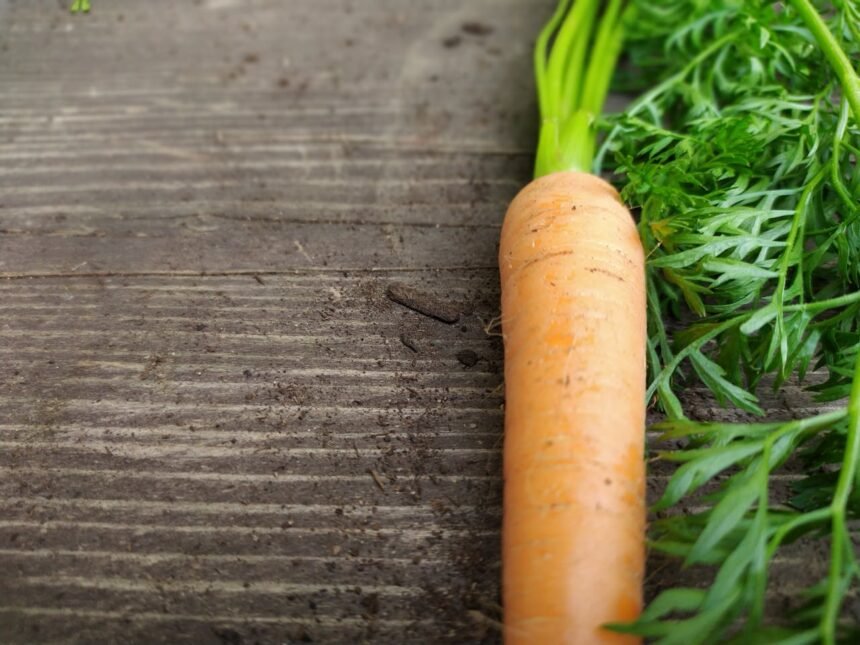
Carrots are a staple in kitchens across the UK, loved for their vibrant colour, satisfying crunch, and versatility in everything from Sunday roasts to quick snacks. However, there are few culinary disappointments quite like reaching into the fridge for a crisp vegetable only to find a limp, rubbery stick that has lost its lustre.
Learning storing carrots correctly is essential not only for maintaining that signature crunch but also for preserving the vital nutrients packed within this root vegetable. Unlike many other perishables, carrots can last for weeks—or even months—when handled properly.
Whether you have harvested a bumper crop from your allotment or simply want to make your weekly shop last longer, understanding the science of storage is key to reducing food waste and ensuring optimal nutrition.
Why Carrots Go Limp: The Science of Spoilage
To understand the best practices for storing carrots, it helps to understand why they spoil in the first place. Carrots are root vegetables, meaning they are designed to draw moisture from the soil to support the leafy green growth above ground.
Once harvested, this biological process does not immediately stop. If the leafy green tops are left attached, they continue to draw moisture from the root, causing the carrot to shrivel rapidly. This condition, often referred to as being “flaccid” or “limp,” is primarily due to dehydration.
Furthermore, carrots are sensitive to ethylene gas. This is a natural plant hormone emitted by certain fruits and vegetables—such as bananas, apples, and pears—which accelerates the ripening and eventual decay of produce nearby.
Proper storage involves managing three critical factors: humidity, temperature, and airflow. By controlling these elements, you can significantly extend the shelf life of your produce.
Methods for Storing Carrots in the Fridge
For most households, the fridge is the most convenient location for keeping carrots fresh. However, simply throwing the plastic bag from the supermarket into the crisper drawer is rarely the most effective method.
1. Storing Whole, Unpeeled Carrots
The skin of the carrot acts as a protective barrier. Washing carrots before storage removes this protection and introduces excess moisture directly to the surface, which can encourage bacterial growth and mould.
The Method:
- Remove the Tops: Immediately slice off the green tops. If you wish to use the greens (which are edible and great for pesto), store them separately as you would fresh herbs.
- Do Not Wash: Brush off dry soil if necessary, but avoid using water until you are ready to eat them.
- Wrap and Seal: Wrap the unpeeled carrots in a paper towel or a tea towel. Place them inside a perforated plastic bag or a container with slight ventilation. The towel absorbs excess condensation while the bag maintains high humidity.
- Placement: Store them in the coolest part of the fridge, typically the vegetable crisper drawer.
According to the NHS, root vegetables count towards your 5 A Day, and keeping them fresh encourages regular consumption. Using this method, unpeeled carrots can stay fresh for 3 to 4 weeks.
2. Storing Peeled or Cut Carrots in Water
If you prefer to meal prep or have snack-ready vegetables available, storing carrots in water is a highly effective technique. This method keeps the cells fully hydrated, ensuring maximum crunch.
The Method:
- Prep: Wash, peel, and cut the carrots into batons or slices.
- Submerge: Place the carrots in a clean glass jar or airtight container and fill it with fresh, cold water until the vegetables are completely submerged.
- Seal: Close the lid tightly and place the container in the fridge.
- Maintenance: You must change the water every 3 to 4 days. If the water becomes cloudy, it indicates bacterial growth.
While this method is excellent for texture, some water-soluble vitamins may leach out over time. However, the convenience often outweighs minor nutrient loss.

Long-Term Storage: Freezing Carrots
If you have a surplus that you cannot consume within a month, freezing is the best option. Freezing pauses the enzymatic activity that causes decay. However, you cannot simply throw raw carrots into the freezer, as the texture will become unpleasantly spongy upon thawing.
The Importance of Blanching
Blanching is a process where vegetables are scalded in boiling water or steam for a short time and then cooled rapidly in ice water. This stops enzyme actions which can cause loss of flavour, colour and texture.
Detailed guidance from the National Center for Home Food Preservation suggests the following steps for optimal results:
- Prepare: Wash, peel, and slice carrots into rounds or dice them.
- Boil: Bring a large pot of water to a rolling boil. Add the carrots. Blanch small slices for 2 minutes and whole small carrots for 5 minutes.
- Chill: Immediately transfer the carrots to a bowl of ice water for the same amount of time they were boiled. This “shocks” the vegetable and stops the cooking process.
- Drain and Freeze: Drain well. Spread the pieces on a baking tray to freeze individually (flash freezing) before transferring them to a freezer-safe bag.
Frozen carrots are best used in cooked dishes like stews, soups, or casseroles rather than eaten raw. Properly frozen carrots can last up to 12 months.
Nutrient Retention: Raw vs. Stored
Carrots are renowned for their high beta-carotene content, which the body converts into Vitamin A. This nutrient is vital for maintaining healthy vision, immune function, and skin health.
Interestingly, the way you manage storing carrots affects their nutritional profile. Research indicates that carotenoids (like beta-carotene) are relatively stable during storage compared to sensitive vitamins like Vitamin C.
A study highlighted by PubMed suggests that while blanching can cause a minor initial loss of water-soluble vitamins, freezing effectively locks in the remaining nutrients, often making frozen carrots more nutritious than “fresh” carrots that have been sitting in a fridge for weeks.
Furthermore, according to Healthline, cooking carrots can actually increase the bioavailability of beta-carotene, making it easier for your body to absorb compared to raw carrots.
Alternative Storage Methods: Root Cellars and Sand
For those with a garden or buying in bulk sacks, fridge space may be limited. Traditional methods used before the advent of modern refrigeration are still highly effective.
The Sand Method
This technique mimics the environment of the soil, keeping the roots cool and dark while preventing moisture loss.
- Select a Container: Use a wooden crate or a plastic bin.
- Layer: Place a layer of damp (not wet) sand at the bottom. Lay unwashed carrots on top, ensuring they do not touch each other.
- Repeat: Cover with sand and repeat the layers until the box is full.
- Store: Keep the box in a cool, dark place like a garage, shed, or cellar where temperatures remain above freezing but below 10°C.
The University of Minnesota Extension notes that this method can preserve carrots for up to 6 months.
Practical Tips for Selecting and Preparing Carrots
Success in storage begins at the supermarket or greengrocer. Starting with high-quality produce will invariably lead to a longer shelf life.
What to Look For
- Firmness: Avoid any carrots that feel bendy or rubbery.
- Colour: Look for bright, deep orange pigmentation. Dark spots at the top may indicate age or improper handling.
- Smoothness: Avoid carrots with excessive cracks or splitting.
Avoiding Cross-Contamination
Food safety is paramount. When rearranging your fridge, ensure raw meats are stored on the bottom shelf to prevent juices from dripping onto your fresh produce. The Food Standards Agency provides comprehensive guidelines on organising your fridge to prevent cross-contamination.
Additionally, keep your carrots away from high-ethylene producers. Do not store them in the same drawer as apples, bananas, or melons.
| Ethylene Producers (Avoid) | Safe Companions |
|---|---|
| Apples | Beetroot |
| Pears | Radishes |
| Bananas | Parsnips |
| Avocados | Cabbage |
Troubleshooting Common Issues
1. The carrots have gone white.
This is known as “white blush.” It is not mould; it is simply a sign of dehydration. If the carrot is still firm, you can peel away the white layer or rehydrate the carrot in ice water to restore its colour.
2. The carrots are slimy.
If you find slime on carrots stored in water or bags, this indicates bacterial spoilage. Do not attempt to wash and eat them. Dispose of them immediately. The CDC advises “when in doubt, throw it out” to prevent foodborne illness.
3. The carrots have sprouted.
Small root hairs or green shoots on the top indicate the carrot is trying to grow. These are safe to eat, though the core may be slightly woody. Simply peel and cut away the sprouted sections.
Sustainability and Reducing Waste
In the UK, household food waste is a significant environmental issue. By optimising how we store vegetables, we contribute to a more sustainable food system.
Organisations like Eat Right emphasise that proper storage is one of the easiest ways for consumers to reduce their carbon footprint. When you throw away a carrot, you are not just wasting the vegetable; you are wasting the water, energy, and transport resources used to get it to your plate.
Furthermore, the USDA provides extensive data on the nutrient density of vegetables, reinforcing that even older carrots (stored well) remain a low-calorie, high-fibre food source essential for a balanced diet.
The Bottom Line
Carrots are a resilient vegetable that can remain fresh and nutritious for weeks with minimal effort. The key to successful storing carrots lies in managing moisture and temperature.
For immediate use, keeping them in water provides the best crunch. For weekly storage, removing the tops and keeping them in the crisper drawer is sufficient. For long-term preservation, blanching and freezing is the gold standard for retaining vitamins.
By following these evidence-based methods, you can ensure that your carrots remain a crunchy, healthy part of your diet while minimising unnecessary waste and saving money on your grocery bill.

