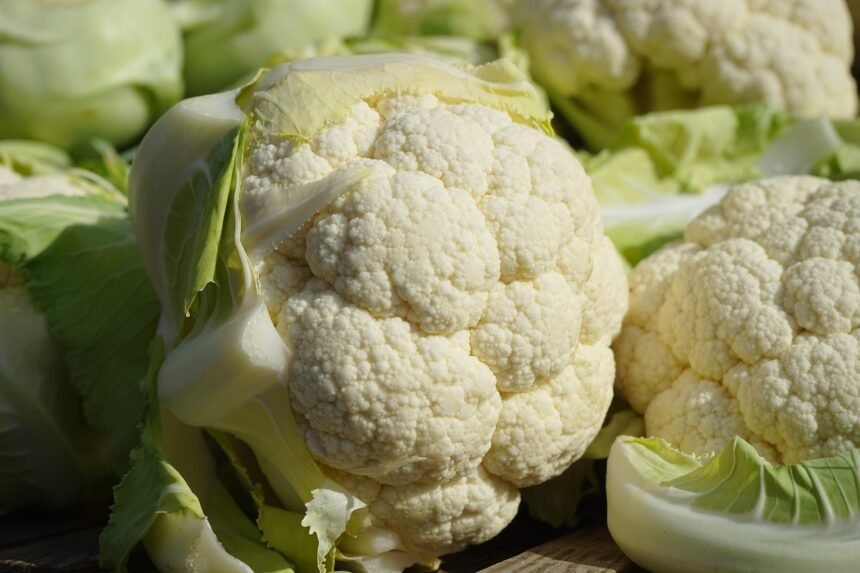
Cauliflower has become a superstar of the culinary world in recent years. From low-carb rice alternatives to vegan steaks, this cruciferous vegetable is celebrated for its versatility and mild, nutty flavour. However, there is nothing quite as disappointing as reaching into your fridge for a fresh head of cauliflower only to find it covered in dark spots or smelling distinctly unpleasant.
Whether you have harvested a bumper crop from your allotment or simply bought too much at the supermarket, knowing the correct methods for storing cauliflower is essential for reducing food waste and saving money.
Proper storage not only maintains the vegetable’s crisp texture but also preserves its vital nutrients, such as Vitamin C and Vitamin K. The key lies in managing moisture and airflow.
This guide explores the most effective ways to keep cauliflower fresh, from short-term refrigeration hacks to long-term freezing techniques.
Why Cauliflower Spoils Quickly
Before diving into the methods, it is helpful to understand why cauliflower is prone to spoilage. Like broccoli and cabbage, cauliflower is a flower vegetable. It has a high respiration rate, meaning it continues to ‘breathe’ after being harvested.
There are three main culprits that accelerate decay:
- Moisture: While cauliflower needs high humidity to stay crisp, direct water contact encourages bacterial growth and mould. Condensation within a plastic bag is often the primary cause of rot.
- Air Circulation: Cauliflower needs to breathe. If it is sealed too tightly in non-breathable plastic, carbon dioxide builds up, leading to off-odours and discolouration.
- Ethylene Gas: Cauliflower is sensitive to ethylene, a natural gas emitted by certain fruits like apples and bananas. Exposure to this gas speeds up the ripening and aging process.
Understanding these factors is the first step toward mastering the art of keeping your produce fresh.
How to Store Fresh Cauliflower in the Fridge
Refrigeration is the best method for short-term storage. When stored correctly, a whole head of fresh cauliflower can last up to two weeks, while pre-cut florets generally last about one week.
Storing the Whole Head
Keeping the head intact is generally the best strategy for longevity. Once you cut the vegetable, you damage cell walls, which accelerates oxidation and spoilage.
The Process:
- Do Not Wash Yet: Never wash cauliflower until you are ready to cook it. Residual moisture trapped between the tight florets is nearly impossible to dry completely and will promote rapid decay.
- Remove Greens: If your cauliflower came with large leaves attached, you can trim the loose ones, but keeping the tight wrapper leaves can actually help protect the florets.
- The Breathable Bag Method: Most supermarket cauliflower comes in perforated plastic (cling film). If you have bought it loose, place the head in a large zip-lock bag or freezer bag. Leave the bag slightly open or poke several holes in it to allow for air circulation.
- Stem Up: Place the cauliflower stem-side up (florets down) on a shelf in the fridge. This prevents moisture from collecting on the surface of the curds (the white part).
- Crisper Drawer Settings: Place the bag in the crisper drawer of your fridge. If your drawer has a humidity setting, set it to high humidity with the vent closed. This keeps the vegetable crisp without drying it out.
For more on vegetable safety and selection, you can refer to the FDA guidelines on produce safety.
Storing Cut Florets
Sometimes convenience is key. If you prefer to prep your vegetables ahead of time for quick weeknight stir-frys or snacking, you can store cut florets, though they will have a shorter shelf life.
The Process:
- Cut the cauliflower into your desired size of florets.
- Line a storage container with a dry sheet of kitchen roll (paper towel).
- Place the florets on top of the paper towel. This absorbs excess moisture released by the vegetable.
- Seal the container. If you notice condensation building up after a day or two, replace the paper towel.
This method usually keeps florets fresh for 4 to 7 days.
Freezing Cauliflower for Long-Term Storage
If you have more cauliflower than you can eat within a fortnight, freezing is the only safe option. However, you cannot simply toss raw cauliflower into the freezer. Doing so results in a mushy, discoloured mess upon thawing due to enzyme activity.
To preserve the texture, colour, and nutritional value, you must blanch the vegetable first.
Step-by-Step Blanching Guide
Blanching involves briefly boiling the vegetable and then plunging it into ice water to stop the cooking process. This action destroys the enzymes responsible for breaking down flavour and texture.
What You Need:
- A large pot of water
- A bowl of ice water
- A colander
- Freezer-safe bags
Instructions:
- Prep: Wash the head thoroughly and cut it into uniform florets. Soaking the florets in salted water for 15 minutes can help remove any hidden insects, a common issue with organic produce.
- Boil: Bring a large pot of water to a rolling boil. Add the florets carefully.
- Time It: Boil for exactly 3 minutes. Over-blanching cooks the vegetable, while under-blanching leaves enzymes active. According to the National Center for Home Food Preservation, precise timing is critical for quality.
- Cool: Immediately transfer the florets to the ice water bath. Let them sit for another 3 minutes to ensure they are completely cool.
- Dry: Drain well and pat dry with a tea towel. Excess water causes freezer burn.
- Flash Freeze: Spread the florets in a single layer on a baking tray and freeze for 1 to 2 hours. This prevents them from clumping together.
- Store: Transfer to freezer bags, squeezing out as much air as possible. Label with the date.
Frozen cauliflower will maintain high quality for up to 12 months. For creative ways to use your frozen stock, check out Healthline’s guide to cauliflower benefits.
Alternative Storage: Pickling
For those who enjoy tangy flavours, pickling is an excellent way to extend the life of cauliflower. Pickled cauliflower adds a crunch to salads and charcuterie boards.
While this changes the flavour profile significantly, it preserves the vegetable for months in the fridge. A simple brine of vinegar, water, salt, sugar, and spices (like mustard seeds and turmeric) creates a hostile environment for bacteria. You can find excellent pickling safety tips from Clemson University Extension.
Signs of Spoilage: When to Throw It Out
Even with the best storage methods, produce eventually goes off. It is important to recognise the signs of spoilage to avoid foodborne illness.
| Sign | What It Means | Action |
|---|---|---|
| Brown Spots | Minor oxidation or bruising. | Safe to eat. Simply slice off the spots with a knife. |
| Soft or Slimy Texture | bacterial breakdown. | Discard immediately. Do not attempt to salvage. |
| Off-Odour | Fermentation or rotting. | Discard. Fresh cauliflower should smell neutral or slightly nutty. |
| Mould | Fungal growth (black, green, or fuzzy). | Discard the whole head. Spores may have penetrated deeper than visible. |
According to the NHS Eat Well guide, consuming spoiled produce can lead to stomach upset, so it is always better to be cautious.
Common Mistakes to Avoid
To ensure your storing cauliflower efforts are successful, avoid these common pitfalls:
- Storing Next to Apples: As mentioned earlier, ethylene gas from apples, melons, and bananas will turn your cauliflower yellow and soft prematurely. Keep cruciferous vegetables in a separate drawer.
- Overcrowding: Jamming the cauliflower into a drawer packed with other vegetables restricts airflow, leading to faster rot.
- Washing Before Storage: This is the most common mistake. Moisture breeds mould. Only wash right before cooking.
- Leaving it in the Open: Unwrapped cauliflower in the fridge will dehydrate rapidly, becoming rubbery and limp within days.
Nutrition and Waste Reduction
Storing food correctly isn’t just about convenience; it is a nutritional and environmental issue. Cauliflower is a nutrient-dense food, high in fibre and B-vitamins. However, water-soluble vitamins like Vitamin C degrade over time and with exposure to heat and light.
By storing it properly, you maximise the health benefits when you finally eat it. Furthermore, the UK throws away millions of tonnes of edible food every year. By extending the life of your vegetables, you contribute to a more sustainable food system.
For more on reducing household waste, resources like Love Food Hate Waste offer fantastic practical advice.
The Bottom Line
Cauliflower is a hardy vegetable that can last a surprisingly long time if treated with care. The secret to keeping it fresh lies in striking the balance between humidity and airflow.
For short-term storage, keep the head whole, unwashed, and in a perforated bag in your crisper drawer. For long-term storage, blanching and freezing is the gold standard, locking in nutrients and texture for up to a year.
By following these simple steps, you can ensure that your cauliflower remains a delicious, crunchy, and healthy addition to your meals, reducing waste and saving you trips to the shop.
Whether you are roasting it whole, mashing it, or turning it into pizza crust, starting with fresh produce always yields the best results.
Helpful Resources
- USDA FoodData Central – For detailed nutrient profiles.
- Mayo Clinic on Fibre – Why the fibre in cauliflower matters.
- WebMD: Health Benefits of Cauliflower – Further reading on health advantages.
- Medical News Today: Cauliflower – Detailed nutritional breakdown.
- CDC Food Safety – General food safety guidelines.