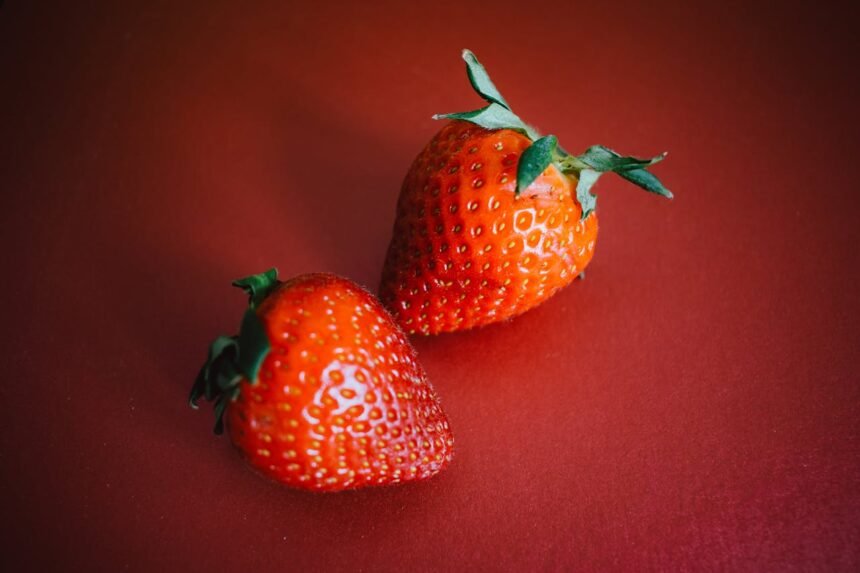
Nothing is quite as disheartening as buying a vibrant, sweet-smelling punnet of strawberries, only to find them covered in fuzzy grey mould the very next day. We have all experienced this frustration. Strawberries are widely considered the jewel of summer fruits, yet their incredibly short shelf life often leads to unnecessary waste and disappointment.
Unlike apples or bananas, which can survive happily in a fruit bowl for days, strawberries are notoriously delicate. They have thin skins and a high water content, making them the perfect breeding ground for mould spores and bacteria. Furthermore, their rapid rate of respiration means they break down quickly once harvested.
However, you do not have to accept mushy berries as an inevitability. By understanding the science behind why berries spoil and implementing a few professional storage techniques, you can extend their life significantly. Whether you are planning to snack on them throughout the week or save them for a special dessert, proper storage is the key to maintaining their texture, flavour, and nutritional value.
In this article, we explore the most effective, evidence-based methods for keeping your strawberries fresh for longer, helping you reduce food waste and save money.
Why Do Strawberries Spoil So Quickly?
To keep strawberries fresh, it helps to understand why they perish so fast. Strawberries are highly susceptible to moisture and temperature changes.
When you purchase a punnet, it often contains berries at varying stages of ripeness. As noted by the Royal Horticultural Society, strawberries cease to ripen once they are picked. This means a green strawberry will not become sweet on your counter; it will simply rot.
Two primary factors accelerate spoilage:
- Moisture: Excess water encourages the growth of Botrytis cinerea, a common grey mould that decimates soft fruits. Even a small amount of condensation inside a plastic container can trigger a fungal bloom.
- Ethylene Gas: While strawberries produce low levels of ethylene compared to bananas, they are sensitive to it. Trapping them in a sealed container without airflow concentrates this gas and moisture, speeding up decomposition.
Furthermore, strawberries are nutritional powerhouses. According to Healthline, they are packed with vitamin C, manganese, and antioxidants. However, these nutrients degrade as the fruit deteriorates, meaning fresh storage is essential not just for taste, but for maximum health benefits.
Actionable Steps: The Best Ways to Store Strawberries
There isn’t just one way to store strawberries; the best method depends on when you plan to eat them. Below are the most effective strategies, ranked by longevity.
1. The Inspect and Sort Method
Before you do anything else, you must sort through your fruit. One mouldy berry can ruin the whole bunch—a phenomenon often called the “bad apple effect,” though it applies equally to berries.
- Remove Mould: Discard any berries that show visible signs of fuzz or extreme bruising immediately.
- Separate Soft Berries: If some berries are soft but not mouldy, eat them straight away or freeze them for smoothies. Do not store them with the firm ones.
- Keep the Stems: Never wash or hull (remove the green top) strawberries until you are ready to eat them. The stem acts as a seal; removing it exposes the interior flesh to oxygen and bacteria.
2. The Vinegar Wash Technique (For Longevity)
If you want your strawberries to last up to two weeks in the fridge, the vinegar wash is the gold standard. This method kills the mould spores naturally present on the surface of the fruit.
The Mixture:
Combine 1 part white vinegar with 3 parts cold water in a large bowl.
The Steps:
- Submerge the strawberries in the mixture for roughly one minute. Do not soak them for too long, or they may absorb a vinegar taste.
- Drain the berries in a colander and rinse them thoroughly with cold water to remove the vinegar aroma.
- Critical Step: Dry them completely. Lay them out on paper towels and gently pat them dry. Any lingering moisture will undo your hard work.
- Line a clean container with fresh paper towels. Place the strawberries inside in a single layer. Do not overcrowd them.
- Place the lid on loosely (or poke holes in it) to allow airflow, then refrigerate.
This method significantly reduces fungal growth, keeping berries firm and vibrant.
3. The Glass Jar Method
This is a popular hack that relies on creating an airtight seal to prevent new spores from entering, though it works best with unwashed berries.
- Take a clean, dry glass jar (like a masonry jar).
- Place unwashed, dry strawberries inside. Do not pack them tightly.
- Seal the lid and place it in the coldest part of your fridge.
While effective for some, the lack of airflow can sometimes trap moisture if the berries weren’t perfectly dry to begin with. It is vital to check the jar daily for condensation.
4. Freezing for Long-Term Storage
If you cannot eat the fruit within a week, freezing is the best option to preserve nutrients. The NHS confirms that frozen fruit and vegetables count towards your 5 A Day just as much as fresh varieties do.
How to Freeze Properly:
- Wash and hull the strawberries.
- Pat them completely dry.
- Flash freeze: Spread them on a baking tray lined with parchment paper and freeze for two hours. This prevents them from clumping together.
- Transfer to a freezer bag, squeeze out the air, and label with the date.
For more detailed freezing instructions, BBC Good Food offers excellent guidance on maintaining texture for culinary use.
| Storage Method | Estimated Shelf Life | Best Used For | Key Requirement |
|---|---|---|---|
| Countertop | 1–2 Days | Immediate snacking | Cool, dry spot away from sunlight. |
| Original Plastic Punnet | 3–5 Days | General use | Add a paper towel to absorb moisture. |
| Glass Jar (Airtight) | 1–2 Weeks | Smoothies, baking | Berries must be unwashed and bone dry. |
| Vinegar Wash + Paper Towels | 1–2 Weeks | Fresh eating | 1:3 vinegar-water ratio; total dryness. |
| Freezer | 6–12 Months | Smoothies, jams, baking | Flash freeze first to prevent clumping. |
Frequently Asked Questions
Should I wash strawberries before storing them?
Generally, no. You should only wash strawberries right before you eat them. Moisture encourages mould. The only exception is if you are using the vinegar wash method described above, where drying them thoroughly afterwards is the most critical step.
What is the best temperature for storing strawberries?
Strawberries should be stored between 0°C and 2°C. According to Which?, the bottom shelf or the salad crisper drawer is usually the optimal place for maintaining this temperature without freezing the fruit accidentally.
Can I eat strawberries with a little bit of mould?
The Food Standards Agency advises caution with mould. Unlike hard cheeses where you can cut mould off, soft fruits like strawberries have a porous structure. This allows mould roots (hyphae) to penetrate deep inside the flesh, even if you can’t see them. It is safer to discard the whole berry.
Are organic strawberries harder to store?
Sometimes. Organic strawberries lack synthetic antifungal preservatives that might be present on non-organic varieties. As a result, they may spoil faster. However, washing them with the vinegar solution is highly effective for organic produce. Always check labels to ensure you are meeting GOV.UK standards for food safety and origin information.
Why do my strawberries taste bland after refrigeration?
Cold temperatures can suppress the aromatic compounds that give strawberries their flavour. For the best tasting experience, take your strawberries out of the fridge and let them reach room temperature for about 30 minutes before serving. This simple step can make them taste significantly sweeter without adding sugar, which is helpful for those managing blood sugar levels, as noted by Diabetes UK.
The Bottom Line
Storing strawberries correctly does not require expensive equipment, but it does require a change in habit. The default method of leaving them in the plastic supermarket container is rarely the best choice if you want them to last beyond a few days.
To maximise freshness, remember the golden rules: keep them dry, keep them cool, and sort them immediately after purchase. The vinegar wash method is scientifically proven to reduce mould spores, extending shelf life by weeks rather than days.
Reducing food waste is not only better for your wallet but also for the planet. Organisations like Love Food Hate Waste highlight that fruit and vegetable waste is a major contributor to household rubbish. By taking five minutes to prep your berries properly, you ensure that every nutritious, heart-healthy bite is enjoyed rather than thrown away.
Finally, remember that strawberries are a fantastic addition to a balanced diet. Whether fresh or frozen, their benefits for heart health are well-documented by the British Heart Foundation. So, take care of your berries, and they will take care of you.