We have all experienced the specific heartbreak of slicing into a seemingly perfect avocado, only to find the inside is a brown, mushy mess. Avocados are notoriously temperamental. They seem to sit on your counter, rock-hard for days, only to ripen and rot within the span of a single afternoon.
Because avocados ripen after being harvested, catching them in that brief window of perfection is both an art and a science. For those relying on this nutrient-dense fruit for healthy fats and fibre, wasting produce is frustrating and expensive.
Learning how to tell if an avocado is bad inside without breaching the skin is an essential kitchen skill. While you cannot be 100% certain until you slice it open, specific sensory cues can give you a very high probability of success.
This article explores the signs of spoilage, the safety implications of eating overripe fruit, and how to manage your produce to minimise waste.
Overview: The Avocado Ripening Cycle
To understand spoilage, one must first understand ripening. Avocados are a climacteric fruit, meaning they ripen after harvest due to the production of ethylene gas. This gas triggers the conversion of starches into sugars and softens the pectin in the cell walls, giving the fruit its creamy texture.
However, this process does not stop once the fruit is ripe. It accelerates into senescence (ageing) and eventually rot. Bacterial and fungal pathogens can then take hold, spoiling the flesh. Detecting this transition early is key to avoiding disappointment.
Symptoms and Signs: Examining the Fruit
If you are wondering how to tell if an avocado is bad inside before committing to your toast, you need to engage three senses: sight, touch, and smell. No single method is foolproof, so it is best to use a combination of these checks.
1. Visual Inspection of the Skin
The first indicator is the colour of the skin. This varies depending on the variety of avocado. The Hass avocado, which accounts for the majority of the market, changes colour drastically as it ripens.
Good Signs:
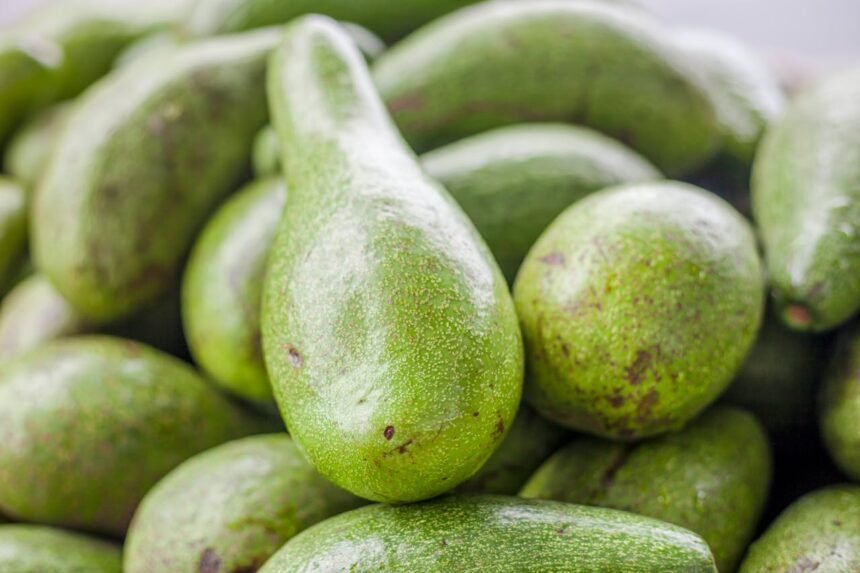
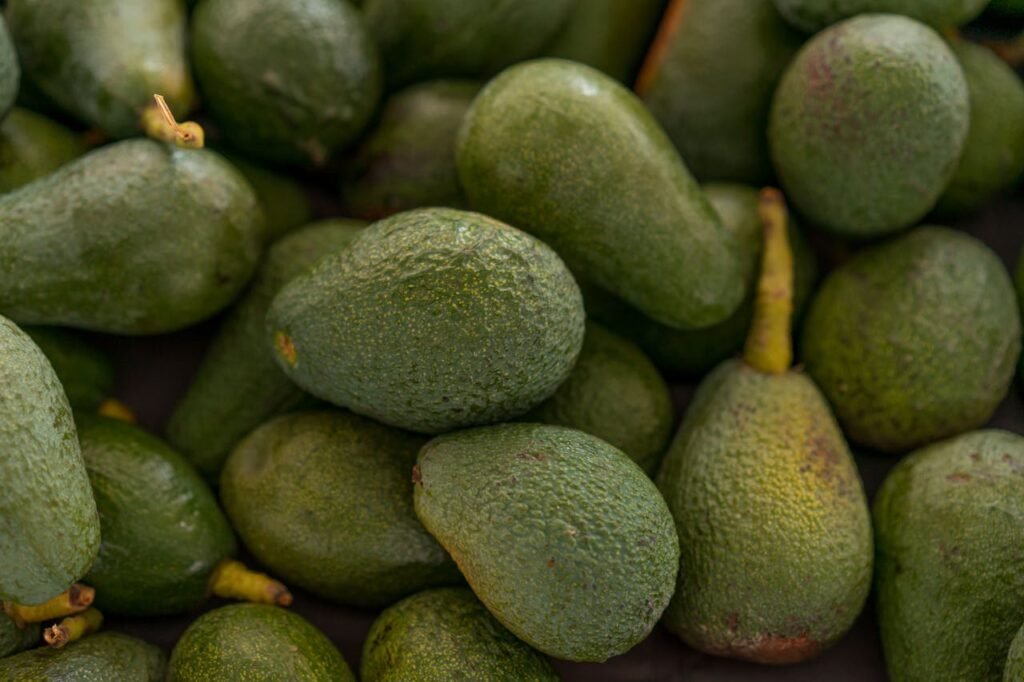
- Dark Green to Black: A ripe Hass avocado will turn from bright green to dark olive or black. If it is forest green, it is likely underripe.
Bad Signs:
- Mushy Black Skin: While black skin indicates ripeness, skin that looks dull, matte, and lifeless often suggests the fruit has gone too far.
- Mould: Visible mould on the exterior (often white, grey, or blue fuzzy patches) is a clear sign the fruit is compromised. If the mould has penetrated the skin, the inside is likely contaminated.
2. The Texture Test (Palpation)
Touch is perhaps the most reliable metric. To check an avocado, place it in the palm of your hand and squeeze gently using the flat of your fingers, not your fingertips. Fingertips can bruise the fruit, creating brown spots artificially.
The Ideal Feel:
- The fruit should yield to gentle pressure but not feel loose. It should feel like pressing the tip of your nose—firm but with a little give.
Signs of Spoilage:
- Mushiness: If your fingers leave a permanent indentation, or the fruit feels like a water balloon, it is overripe and likely rancid inside.
- Hollow Skin: sometimes the flesh separates from the skin as it dries out and rots. If the skin feels loose or baggy, the fruit is bad.
- Stringiness: While you cannot feel this from the outside, a fruit that feels overly soft often correlates with a stringy, fibrous texture inside.
3. The Stem Check
This is a classic trick used by chefs. Locate the small stem cap (the peduncle) at the top of the avocado. If it is still attached, gently flick it off with your thumb.
What the Colour Reveals:
- Green: If the area underneath the stem is bright green, the avocado is ripe and ready to eat.
- Brown/Black: If the area underneath is brown, the avocado is likely brown inside. This indicates internal oxidation and over-ripeness.
- Resistance: If the stem refuses to come off, the avocado is underripe.
4. Olfactory Inspection
Fresh avocados have a subtle, nutty, or grassy aroma. While the skin is thick, a bad avocado often gives off a scent that is hard to miss.
Warning Smells:
- Sour or Rancid: If you detect a sour, fermented, or chemical smell near the stem, the fats in the avocado have likely oxidised and turned rancid.
- Musky/Damp: A strong smell of damp earth often indicates fungal growth.
Causes of Spoilage
Why do avocados go bad so quickly? It is usually a combination of environmental factors and biological processes.
Oxidation and Ethylene
Once the fruit is picked, the clock starts ticking. The production of ethylene gas softens the fruit. Once peak ripeness is passed, the cell walls break down completely, turning the flesh into liquid mush. Exposure to oxygen (even through porous skin) causes the phenolic compounds in the flesh to turn brown—a process known as enzymatic browning.
Physical Damage
Bruising is a major cause of localised rotting. If an avocado is dropped during transit or squeezed too hard by other shoppers, the cell structure is damaged. This triggers a localized production of ethylene, causing that specific spot to ripen and rot faster than the rest of the fruit. This is why you might find a black spot inside an otherwise green avocado.
Microbial Growth
Fungi such as Lasiodiplodia theobromae can enter through the stem end, causing stem-end rot. This turns the flesh dark and watery, often before the outside looks terrible. This is why the stem check is so valuable.
Management: Safety and Salvaging
So, you missed the signs and cut into a less-than-perfect avocado. Is it safe to eat? The answer depends on the severity of the spoilage.
When is it Safe?
- Brown Streaks: Some avocados have brown streaks due to the fibres. This is often just a texture issue rather than spoilage. It is safe to eat but may not be pleasant.
- Slight Browning: If the flesh is slightly brown due to oxidation but smells fine and tastes nutty, it is safe to eat. You can mash it into guacamole, where the lime juice will mask the colour.
When is it Dangerous?
- Rancidity: If the fruit smells chemical or sour, do not eat it. Rancid fats contain free radicals which, while not immediately toxic in small amounts, are inflammatory and not beneficial for health.
- Mould: According to food safety authorities, you should not cut away mould on soft fruits like avocados. The root threads of the mould (hyphae) can penetrate deep into the flesh, invisible to the naked eye. If you see mould, discard the whole fruit to avoid potential mycotoxins.
Tips for Prevention and Storage
Preventing an avocado from going bad inside starts with how you store it. Managing the ripening process gives you control over when the fruit is ready.
The Countertop vs. The Fridge
- Unripe (Hard) Avocados: Store these on the countertop at room temperature. Cold temperatures halt the ripening process, so putting a hard avocado in the fridge means it will likely never ripen properly and may develop a rubbery texture.
- Ripe (Yielding) Avocados: Once an avocado reaches peak ripeness, move it to the fridge immediately. The cold temperature slows down the ethylene effect, buying you an extra 2 to 3 days before it goes bad.
Speeding Up Ripening
If you have hard avocados and need them soon, place them in a brown paper bag with a banana or apple. These fruits are high ethylene producers. Trapping the gas in the bag concentrates it, speeding up the ripening process of the avocado.
Buying Strategy
Don’t buy all your avocados at the same stage of ripeness. Buy one that is ready for tonight (dark, yielding), and two that are rock hard (green). This staggers the ripening window so they don’t all go bad at once.
The Bottom Line
Knowing how to tell if an avocado is bad inside saves money and prevents food waste. By combining the visual check (look for black but not withered skin), the tactile test (firm but yielding), and the stem check (green underneath), you can predict the quality of the internal flesh with high accuracy.
If an avocado feels mushy, has dented skin, or smells sour, it is best to discard it. While slight browning is harmless, safety should always come first regarding mould or rancid odours. With proper storage in the refrigerator once ripe, you can enjoy this creamy superfood at its peak.