Transitioning to a plant-based diet or simply running out of ingredients often leads home bakers to a common dilemma: how to bake without eggs. Eggs are a powerhouse in baking, providing structure, moisture, and leavening. Removing them without a proper plan can lead to culinary disasters, from flat cakes to crumbly cookies.
Fortunately, nature provides one of the most effective, accessible, and nutritious alternatives: the humble banana. Using fruit purees to replace animal products is not just a trend; it is a scientifically sound method to maintain moisture and binding in your favourite treats. Whether you are vegan, allergic to eggs, or simply looking to reduce your cholesterol intake, bananas offer a versatile solution.
However, bananas are not a direct swap for every single recipe. Understanding the chemistry of how they interact with flour and sugar is vital for success. This guide explores exactly how to use banana egg substitutes, the ratios you need, and the science behind the perfect vegan bake.
Overview: Why Bananas Work in Baking
When you crack an egg into a batter, you are introducing water, protein, and fat. These components work together to bind the ingredients (coagulation) and trap air (leavening). To replace an egg successfully, you need an ingredient that mimics these properties.
Bananas are naturally high in pectin and starch. When mashed, these carbohydrates act as excellent binders, holding your flour and sugar together much like the protein in an egg would. Furthermore, the high moisture content in bananas ensures that your baked goods do not dry out, a common pitfall in vegan baking.
From a nutritional perspective, swapping eggs for bananas adds dietary fibre, potassium, and vitamin B6 to your diet. According to Healthline, bananas are also a significant source of antioxidants, which can contribute to overall health. This makes your indulgent treats slightly more beneficial for your body.
It is important to realise, however, that bananas add density. They lack the lifting power of eggs, meaning they will not help a soufflé rise. They are best suited for ‘heavy’ bakes like muffins, quick breads, and dense brownies. Understanding this limitation is the first step to mastering the banana egg substitute.
Detailed Breakdown: How to Substitute Successfully
Using bananas is not as simple as tossing a whole fruit into the bowl. Precision is key to maintaining the correct texture and flavour profile of your bake.
The Golden Ratio
The standard rule of thumb for replacing eggs with banana is relatively simple:
- 1 Medium Egg = ½ of a Medium Ripe Banana (Mashed)
- Volume Equivalent: Approximately 60 grams (4 tablespoons) of mashed banana.
It is crucial not to overdo it. Adding too much banana can make the batter heavy and gummy, leading to a centre that never quite cooks through. Always measure your mashed fruit rather than relying on the visual size of the banana, as sizes can vary significantly.
Selecting the Right Ripeness
The ripeness of the banana dramatically affects both the chemical behaviour and the taste of your final product.
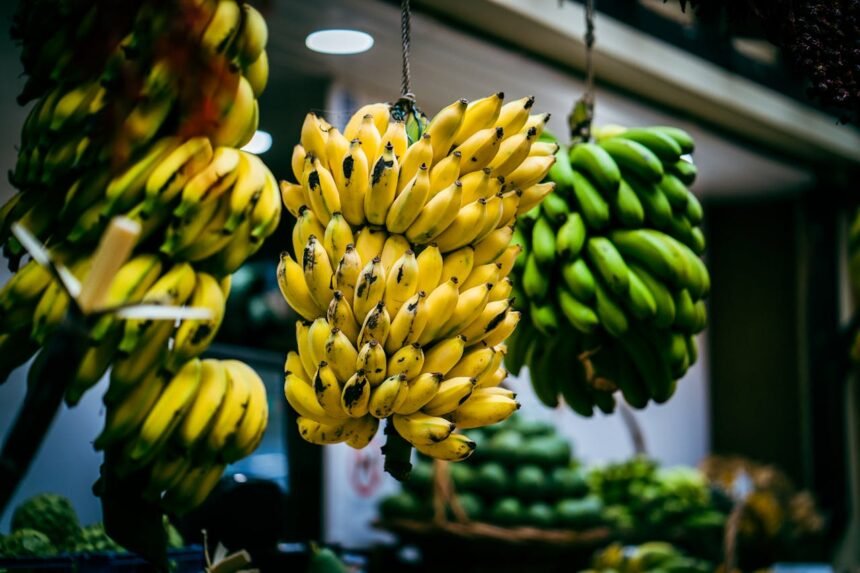
- Green/Yellow Bananas: These have higher starch content and less sugar. They are harder to mash and provide less moisture. They are generally not recommended for baking as they do not bind as effectively.
- Spotty/Brown Bananas: This is the sweet spot. As bananas ripen, their starches convert to sugars. This breakdown makes the fruit softer, easier to mash, and sweeter. The increased sugar content helps with browning and moisture retention.
According to the NHS, incorporating fruit into your diet contributes to your 5-a-day, but bakers should be aware that very ripe bananas will increase the overall sugar content of the recipe, requiring you to adjust added sweeteners.
Flavour and Texture Implications
Unlike neutral egg replacers such as flaxseed or commercial powders, bananas have a distinct flavour.
- Flavour Profile: The banana taste will be detectable in delicate recipes like vanilla sponge or sugar cookies. However, in recipes featuring chocolate, cinnamon, nuts, or peanut butter, the banana flavour is easily masked or complements the other ingredients.
- Texture Changes: Eggs provide lift. Bananas provide density. Your cakes will be moister but flatter. To counteract this, experts suggest slightly increasing the amount of baking powder or baking soda in your recipe (usually by about 25%) to help the batter rise.
Best Recipes for Banana Replacements
Not all baked goods are created equal. Bananas shine in specific categories:
- Quick Breads & Muffins: The natural density of these bakes pairs perfectly with the weight of the banana.
- Pancakes & Waffles: The fruit adds a caramelised edge to the batter that is delicious.
- Brownies: For those who prefer fudgy, dense brownies over cakey ones, bananas are the superior choice.
- Oatmeal Cookies: The binding power of pectin holds oats together beautifully.
For recipes requiring a crispy texture, such as meringues, you should avoid bananas and instead look into aquafaba (chickpea water). You can read more about alternative binders from The Vegan Society, which offers a comprehensive list of plant-based options.

Comparison of Common Egg Substitutes
To help you visualise where bananas fit in the hierarchy of vegan baking, we have compared the most popular options below. Choosing the right substitute depends entirely on the desired outcome of your recipe.
| Substitute | Quantity (Per 1 Egg) | Best Used For | Flavour Impact | Texture Result |
|---|---|---|---|---|
| Mashed Banana | ½ Banana (approx 4 tbsp) | Muffins, Brownies, Pancakes | Distinct Banana | Dense, Moist |
| Applesauce | 4 tbsp (unsweetened) | Cakes, Cupcakes | Mildly Sweet | Moist, Tender |
| Flax Egg | 1 tbsp ground flax + 3 tbsp water | Cookies, Waffles | Nutty / Earthy | Chewy, Gummy |
| Silken Tofu | ¼ cup (blended) | Quiches, Custards, Cheesecakes | Neutral | Creamy, Dense |
| Vinegar & Baking Soda | 1 tsp baking soda + 1 tbsp vinegar | Light Cakes, Cupcakes | Neutral | Light, Airy |
Frequently Asked Questions
Can I use frozen bananas?
Yes, absolutely. In fact, freezing bananas is an excellent way to reduce food waste. When you have overripe bananas, peel them and freeze them in an airtight container. When you are ready to bake, let them thaw completely in a bowl. They will release a significant amount of liquid—do not discard this! Mash the fruit and the liquid together to retain all the moisture and sugars.
Will my cake taste like banana?
In most cases, yes. The intensity depends on the quantity used and the other ingredients. Strong flavours like cocoa powder, ginger, and cinnamon effectively mask the banana taste. If you need a strictly neutral flavour for a plain sponge, you might prefer applesauce or a commercial egg replacer.
Do I need to change the oven temperature?
Generally, no. However, because bananas add moisture and sugar, your bakes can brown faster than those made with eggs. It is wise to keep an eye on your oven. If the top is browning too quickly but the centre is still raw, cover the tin loosely with foil for the last 10-15 minutes of baking.
Are bananas suitable for gluten-free vegan baking?
Bananas are naturally gluten-free and work very well with gluten-free flour blends. Gluten-free flours can often lead to dry, crumbly textures; the extra moisture and pectin in bananas help counteract this, acting as a secondary binder alongside xanthan gum.
Is this substitute heart-healthy?
Replacing eggs with bananas removes the dietary cholesterol found in egg yolks. For individuals monitoring their heart health, this is a positive swap. The British Heart Foundation highlights the importance of fruit intake for cardiovascular health, making this a smart choice for those watching their lipid profiles.
Can I use plantains instead?
Plantains are starchier and lower in sugar than dessert bananas. While they can be used, they must be cooked and pureed first, and they will result in a much savourier, starchier taste. Stick to standard Cavendish bananas for baking sweet treats.
Tips for Management
Mastering the banana egg substitute requires a few adjustments to your standard kitchen workflow. Here are actionable tips to ensure consistency:
- Mash Thoroughly: Lumps of banana can create wet spots in your cake. Use a fork or a potato masher to get a smooth consistency before adding it to your batter. For the best results, use a blender.
- Reduce Sugar: Since ripe bananas are high in fructose, you should reduce the granulated sugar in your recipe by roughly 25g to 50g per banana used, depending on your sweetness preference. Be mindful of sugar intake; Diabetes UK notes that while fruit sugar is natural, portion control is still important.
- Watch the liquid: If your recipe calls for milk (or plant milk) and you are using bananas, you may need to reduce the liquid slightly (by about 1 tablespoon) if the batter seems too runny.
- Add Acid: To help activate your leavening agents (baking soda), ensure there is an acidic element in the batter. Bananas are slightly acidic (pH 4.5-5.2), but adding a splash of lemon juice or apple cider vinegar can help give your bake that extra lift it loses by removing the eggs.
The Bottom Line
Using bananas as an egg substitute is one of the easiest, healthiest, and most cost-effective methods in vegan baking. It works exceptionally well for dense, moist bakes like muffins, quick breads, and pancakes.
While it does impart a banana flavour and requires minor adjustments to leavening agents, the nutritional benefits—including increased potassium and fibre—make it a worthy swap. By following the ratio of half a mashed banana per egg, you can confidently create plant-based treats that are moist, delicious, and compassionate.
Whether you are baking for dietary requirements or personal preference, keeping a few ripe bananas in your fruit bowl ensures you are always ready to bake, egg-free.