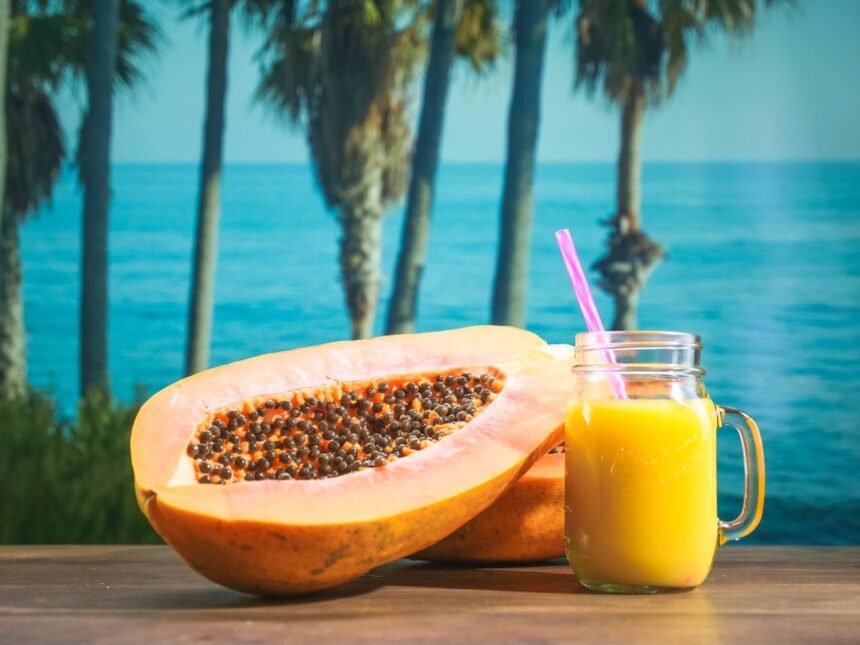
Finding the perfect skincare routine often feels like an endless experiment. We try serums, toners, and creams, hoping to unlock that elusive, radiant glow. However, sometimes the most effective solutions are found not in the chemist’s aisle, but in the fruit bowl.
Papaya is one such powerhouse ingredient. Known scientifically as Carica papaya, this tropical fruit is celebrated for its sweet taste and vibrant colour. Yet, its potential stretches far beyond being a healthy snack. For centuries, cultures around the world have utilised papaya as a natural remedy for various skin concerns.
From reducing inflammation to gently exfoliating dead skin cells, the papaya for skin benefits are backed by both anecdotal evidence and scientific interest. The secret lies in its rich composition of enzymes, vitamins, and phytochemicals. Whether you are dealing with acne-prone skin, dryness, or signs of ageing, incorporating this fruit into your regimen could be transformative.
This article explores the science behind papaya’s skin benefits, offers practical DIY mask recipes, and provides safety tips to help you achieve a healthier complexion naturally.
Why Papaya? Understanding the Skin Benefits
To understand why papaya is effective, we must look at its chemical profile. It is a nutrient-dense fruit that interacts with the skin on a cellular level.
The Power of Papain
At the heart of papaya’s effectiveness is an enzyme called papain. This proteolytic enzyme is particularly potent in raw or unripe papaya. In skincare, enzymes function as biological exfoliators.
Unlike physical scrubs that can cause micro-tears, or harsh chemical acids that might irritate sensitive skin, papain gently breaks down the proteins that hold dead skin cells together. This process reveals fresher, brighter skin underneath without aggressive scrubbing.
According to research on proteolytic enzymes, substances like papain can significantly assist in wound healing and reducing inflammation. This makes it a potential ally for those suffering from acne or skin irritation.
A Vitamin Cocktail for the Face
Papaya is not just about enzymes; it is packed with essential vitamins that are crucial for skin health:
- Vitamin A: Often associated with retinol, Vitamin A helps stimulate the production of new skin cells. It can help smooth rough textures and reduce the appearance of dark spots.
- Vitamin C: This is a vital antioxidant. As noted by experts at Harvard Health, topical Vitamin C can help protect the skin from sun damage, promote collagen production, and interfere with pigment production to fade hyperpigmentation.
- Vitamin E: Known for its moisturising properties, Vitamin E helps to soothe the skin and protect the moisture barrier.
Hydration and Antioxidants
In addition to vitamins, the flesh of the papaya is rich in water and carbohydrates that provide hydration. It also contains lycopene, a powerful antioxidant that defends the skin against free radical damage caused by pollution and UV rays.
A study published in the Journal of Cosmetic Dermatology suggests that antioxidants are essential for preventing premature ageing. By neutralising oxidative stress, the nutrients in papaya help maintain skin elasticity and firmness.
Actionable Steps: DIY Papaya Face Masks
While you can buy papaya-infused products, making your own masks allows you to control the ingredients. It ensures the enzymes are fresh and active. Here are three targeted recipes for different skin types.
1. The Brightening Mask (For Dull or Pigmented Skin)
This mask combines the exfoliating power of papaya with the brightening effects of lemon and the soothing nature of honey.
Ingredients:
- 1/2 cup ripe papaya (mashed)
- 1 teaspoon fresh lemon juice
- 1 tablespoon raw honey
Method:
- Mash the papaya until it is a smooth pulp.
- Stir in the lemon juice and honey.
- Apply to a clean face, avoiding the eye area.
- Leave on for 10–15 minutes.
- Rinse with lukewarm water.
Why it works:
The papain exfoliates, while lemon juice provides a dose of citric acid (an Alpha Hydroxy Acid). Honey is a natural humectant, meaning it draws moisture into the skin. Research on honey in dermatology highlights its antimicrobial and healing properties, making it excellent for balancing the acidity of the lemon.
2. The Soothing Hydration Mask (For Dry Skin)
If your skin feels tight or flaky, this combination provides deep nourishment using milk proteins and fats.
Ingredients:
- 1/2 cup ripe papaya
- 2 tablespoons whole milk or double cream
Method:
- Blend or mash the papaya and milk together.
- Apply a thick layer to your face and neck.
- Let it sit for 20 minutes.
- Rinse gently with cool water.
Why it works:
Papaya hydrates, while the lactic acid in milk offers very mild exfoliation. The fats in the milk or cream help repair the skin’s lipid barrier, leaving it feeling soft and supple.
3. The Acne-Fighting Mask (For Oily Skin)
This recipe utilises turmeric, known for its anti-inflammatory benefits, to target breakouts.
Ingredients:
- 1/2 cup mashed papaya
- 1/2 teaspoon turmeric powder
- 1 teaspoon honey (optional)
Method:
- Mix the papaya and turmeric thoroughly.
- Apply to problem areas or the whole face.
- Leave for 10 minutes (do not leave too long as turmeric can stain).
- Rinse thoroughly.
Why it works:
According to Medical News Today, turmeric contains curcumin, which can help reduce the redness and swelling associated with acne. Combined with the enzymatic action of papaya, it helps clear clogged pores.
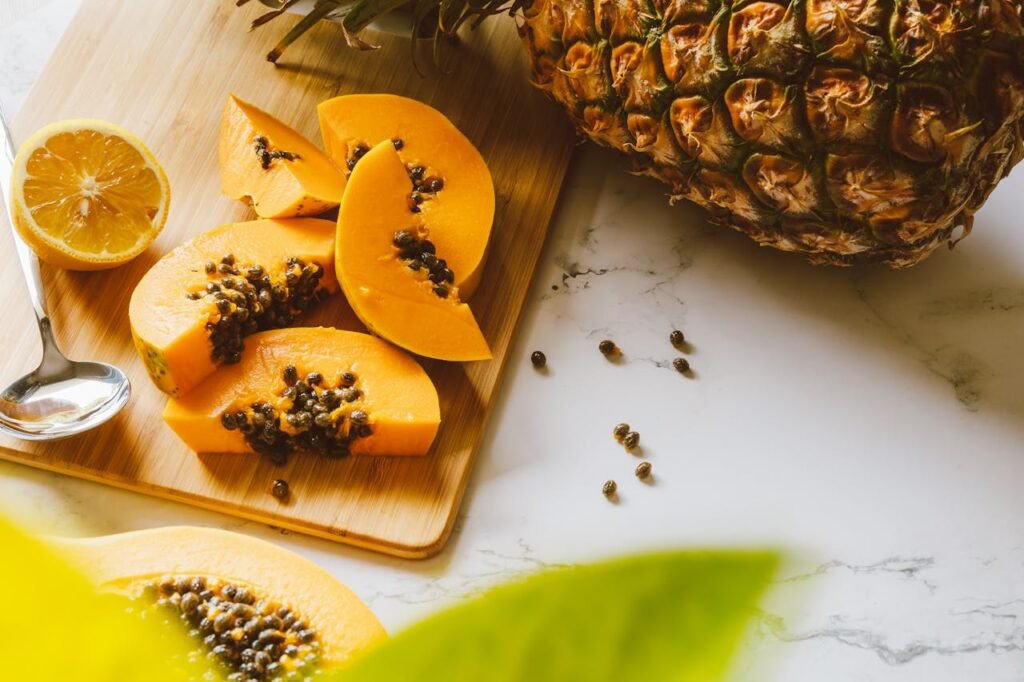
Comparison: Ripe vs. Unripe Papaya for Skincare
It is important to realise that the stage of ripeness changes the chemical profile of the fruit. This table breaks down which type you should choose for your specific needs.
| Feature | Ripe Papaya | Unripe (Green) Papaya |
|---|---|---|
| Primary Active Component | Vitamins A, C, E, and Water | High concentration of Papain Enzyme |
| Best For | Hydration, Brightening, Soothing | Intense Exfoliation, Hair Growth reduction |
| Texture | Soft, easy to mash | Hard, requires blending or grating |
| Risk of Irritation | Low | Moderate to High (due to high enzyme activity) |
| Ideal Skin Type | Dry, Sensitive, Mature | Oily, Acne-Prone, Thick Skin |
| Preparation | Mash with a fork | Must be blended into a paste |
Using green papaya requires more caution. The high concentration of latex and papain can cause contact dermatitis in some individuals. Always prioritise safety when experimenting with higher potency ingredients.
Frequently Asked Questions
When trying natural remedies, it is normal to have questions regarding safety and efficacy. Here are the most common queries answered.
Can I use papaya on my face every day?
It is generally not recommended to use papaya masks daily. Because papain acts as an exfoliant, overusing it can damage your skin barrier. Aim for 1 to 2 times per week. Over-exfoliation can lead to redness and sensitivity, a condition often discussed by the British Association of Dermatologists regarding misuse of skincare actives.
Is papaya safe for sensitive skin?
Ripe papaya is generally safe for sensitive skin. However, green papaya is potent and may cause stinging. Always perform a patch test behind your ear 24 hours before applying any new ingredient to your face. If you have a latex allergy, you should avoid papaya entirely, as there is a known cross-reactivity, often detailed in studies on latex-fruit syndrome.
Can papaya remove facial hair?
There is a traditional belief that raw papaya paste can weaken hair follicles and retard hair growth. While the enzyme papain can break down keratin (the protein in hair), it is unlikely to permanently remove hair. It may, however, make fine hairs appear less visible over time.
Does eating papaya help my skin too?
Absolutely. Beauty works from the inside out. Consuming papaya provides your body with beta-carotene and lycopene. The NHS suggests that a balanced diet rich in fruit and vegetables contributes to overall health, which is reflected in your skin.
The Bottom Line
Papaya is more than just a delicious tropical fruit; it is a versatile skincare ingredient that offers natural exfoliation, hydration, and brightening benefits. Whether you are looking to treat acne with the power of enzymes or soothe dry skin with a vitamin-rich mask, there is likely a papaya for skin benefits recipe that suits your needs.
However, natural does not always mean irritation-free. The potent enzymes in papaya, particularly in its unripe form, command respect. Always conduct a patch test, stick to using masks once or twice a week, and listen to your skin’s response.
For persistent skin issues like severe acne, eczema, or rosacea, it is always best to consult a professional. You can find comprehensive advice on managing long-term skin conditions via Healthline or by speaking with a dermatologist.
By integrating this fruit mindfully into your routine, you can harness the power of nature to reveal a smoother, more radiant complexion.