For the discerning British gardener, the quest for the perfect soil amendment is never-ending. We often look to bark chippings, straw, or leaf mould, but there is an often-overlooked champion in the world of sustainable horticulture: peanut shell mulch.
Utilising peanut shells (hulls) in the garden is not merely a method of waste reduction; it is a scientifically sound practice for improving soil health, retaining moisture, and suppressing weeds. While typically associated with the agricultural practices of the southern United States, the use of peanut byproducts is gaining traction in the UK as we seek more eco-friendly landscaping ideas.
Whether you are an allotment holder or tend to a small urban courtyard, understanding how to effectively use this material can transform your soil structure.
This article explores the benefits, application methods, and potential drawbacks of using peanut shell mulch, ensuring your garden thrives throughout the changing British seasons.
Overview: What is Peanut Shell Mulch?
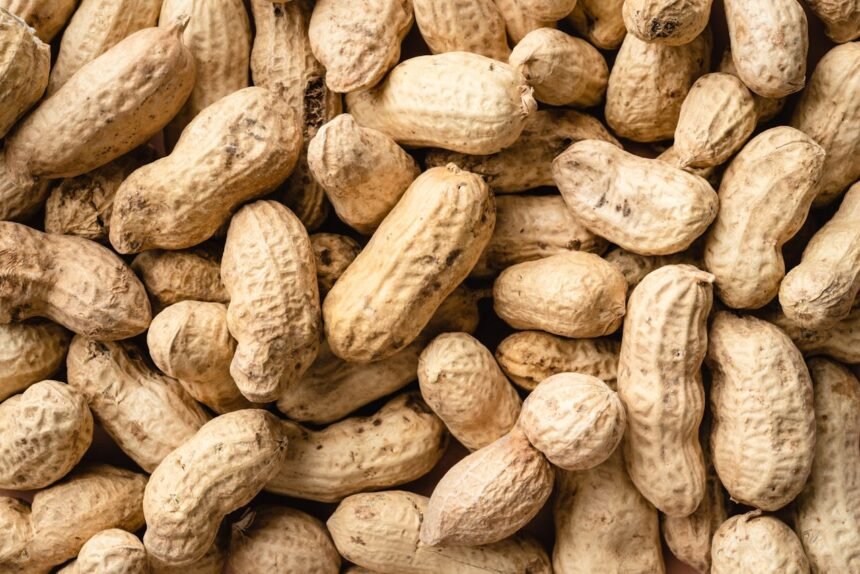
Peanut shell mulch consists of the rigid, woody outer coverings of the peanut legume (Arachis hypogaea). Unlike the soft, green waste we might toss into a compost bin, peanut shells are rich in lignin. This makes them a durable, long-lasting organic garden mulch UK growers can utilise for varied purposes.
When we talk about sustainable gardening, we often focus on the end product, such as the crop itself. However, understanding the lifecycle of the plant is vital. For instance, if you are interested in Growing Your Own: Best Practices for Organic Peanut Seeds, you will inevitably end up with a surplus of shells. Rather than discarding them, they can be repurposed.
Peanut shells offer a unique texture—coarse and lightweight—which prevents them from matting down like grass clippings. This structural integrity is crucial for maintaining soil aeration benefits, allowing oxygen to reach plant roots even after heavy British rains.
The Nutritional Profile
While they are not a quick-release fertiliser, peanut shells are a valuable nitrogen-rich mulch material. They contain significant amounts of carbon, but also hold nitrogen, phosphorus, and potassium. As they decompose, they slowly release these nutrients back into the earth.
It is important to distinguish between the shells and other byproducts. For a more concentrated nutrient boost, you might consider Using Peanut Meal as an Organic Fertiliser and Animal Feed, but for structural soil improvement and protection, the shell is superior.
Benefits of Peanut Shell Mulch
Using peanut shells goes beyond simple aesthetics. The scientific benefits for soil biology and plant health are substantial.
1. Superior Moisture Retention
In the UK, we oscillate between torrential downpours and surprisingly dry spells. Peanut shells excel at moisture retention in allotments. Their coarse texture creates a barrier that reduces evaporation from the soil surface without preventing rain from penetrating.
2. Weed Suppression
One of the primary reasons gardeners mulch is to stop invasive plants. A layer of peanut shells blocks sunlight, inhibiting weed seed germination. This serves as one of the most effective natural weed suppression techniques available to organic growers. According to the Royal Horticultural Society, applying a biodegradable mulch is essential for low-maintenance gardening.
3. Improving Clay Soil
Many British gardens suffer from heavy, compacted clay. Working peanut shells into the top layer can assist in improving clay soil structure. As the shells break down, they add organic matter that separates clay particles, improving drainage and tilth.
4. Pest Deterrence
The sharp, jagged edges of crushed peanut shells can be uncomfortable for soft-bodied pests. While not a guaranteed fix, many gardeners use them as part of their slug deterrent methods. It is a physical barrier similar to eggshells or grit.
How to Apply Peanut Shell Mulch
Applying this mulch requires a bit more thought than simply dumping a bag on a flowerbed. Here is a step-by-step guide to getting it right.
Preparation
Before laying down mulch, ensure the area is weed-free. If you are growing specific varieties, such as those discussed in A Guide to Valencia Peanuts: Sweetness and Nutrition Profile, ensure the soil is warm and moist.
Application Depth
Apply a layer approximately 2 to 3 inches (5-7 cm) deep. If the layer is too thin, weeds will push through. If it is too thick, you risk waterlogging the soil. This depth provides the optimal balance for the peanut hull decomposition rate, ensuring they last a season without becoming a soggy mess.
Sourcing the Shells
If you aren’t growing your own, you can sometimes buy them in bulk. However, home processing is becoming popular. After using Essential Peanut Harvesting Tools for Small-Scale Growers, you will have a ready supply. Alternatively, if you are processing nuts for oil as described in A Beginner Guide to Peanut Oil Pressing at Home, the leftover shells are perfect for this application.
Scientific Considerations: The Carbon-to-Nitrogen Ratio
Understanding the carbon-to-nitrogen ratio (C:N) is vital for any gardener. Peanut shells have a high C:N ratio, meaning they are carbon-heavy. If mixed into the soil immediately, they can temporarily rob the soil of nitrogen as bacteria work to break them down—a process known as nitrogen drawdown.
To prevent this, use them as a top dressing (mulch) rather than a soil amendment initially. Over time, they will break down harmlessly. Research from Cornell University suggests that surface mulches rarely cause significant nitrogen deficiency in deep-rooted plants.
If you do wish to incorporate them directly into the soil, it is often better to compost them first. For a deep dive on this, read our article on Peanut Shell Compost: Turning Waste into Nutrient-Rich Soil.
Potential Drawbacks and Management
While beneficial, peanut shell mulch is not without its caveats. Being aware of these ensures a safe and healthy garden environment.
1. Fungal Concerns
Peanut shells can occasionally carry fungal spores. While this is often just part of the natural decomposition process, it is something to watch for. Proper airflow reduces garden fungal disease prevention risks. Interestingly, the National Institutes of Health often hosts studies regarding agricultural byproducts and fungal interactions, highlighting the importance of using clean, dry shells.
2. Allergy Risks
This is a critical health consideration. Peanut dust can trigger reactions in those with severe peanut allergies. If you have family members or frequent visitors with anaphylaxis risks, avoid using peanut shells. The proteins responsible for allergies can persist in the dust.
3. Rodent Attraction
If the shells contain significant nut residue, they may attract mice or squirrels. Ensure your shells are empty. Varieties like Spanish Peanuts: Small Size, Big Flavour and High Oil Content are delicious, and local wildlife will agree if you leave scraps behind.
4. Source Contamination
Never use shells from salted or roasted snacking peanuts. The salt content will sterilise your soil and kill your plants. Always use raw, untreated agricultural byproducts. Whether you are dealing with common varieties or the exotic types mentioned in Jungle Peanuts: Exploring the Wild Ancestor of Modern Legumes, the shells must be unsalted.
Tips for British Gardeners
To maximise the efficacy of peanut shell mulch in the UK climate, consider these specific tips.
Winter Protection
Use a thicker layer of shells in late autumn for winter garden protection. This insulates the root systems of perennials against hard frosts. The rigid structure of the shells holds pockets of air, acting as a thermal blanket.
Combining with Other Materials
Peanut shells can be lightweight and might blow away in strong winds. Mixing them with heavier compost or wetting them down immediately after application helps them settle. This mixture creates a biodegradable soil cover that stays put.
Crop Rotation
If you are rotating crops, perhaps moving from root vegetables to legumes, peanut mulch is excellent. It is compatible with the rotation plans often used for Red Skin Peanuts: Antioxidant Benefits and Culinary Uses or other nitrogen-fixing plants.
Sustainable Waste
View this as a cycle. The sustainable gardening waste you generate reduces your carbon footprint. Instead of buying plastic weed membranes, you are using a byproduct. Organizations like Garden Organic advocate heavily for using onsite waste to close the fertility loop.
The Bottom Line
Peanut shell mulch is an exceptional, underutilised resource for the British gardener. It offers a balance of durability and decomposition that few other materials can match. It aids in soil aeration benefits, provides natural weed suppression techniques, and helps in improving clay soil structure over time.
However, it requires mindful application. You must ensure the shells are salt-free and be conscious of allergy risks. Whether you are planting a vast plot with a Choosing the Right Peanut Planter for Your Allotment or Farm or simply experimenting with Peanut Sprouts: The New Superfood You Should Try, saving the shells is a wise horticultural move.
By integrating this sustainable gardening waste into your landscape, you not only improve your garden’s health but also contribute to a more circular, eco-friendly way of growing. As we look for alternatives to peat and plastic, the humble peanut shell stands out as a robust, natural solution.
Additional Resources
For more information on soil health and mulching, consult these reputable sources:
- Defra UK – Guidelines on organic waste and composting.
- University of Florida Extension – Extensive research on peanut byproducts in agriculture.
- Soil Association – The UK’s leading charity on organic soil health.
- NC State Extension – Detailed comparisons of different mulch types.
- University of Georgia – Experts in peanut cultivation and byproduct usage.
- National Trust – Tips on sustainable gardening practices in the UK.
- Mayo Clinic – Information on peanut allergies and safety.
- NHS UK – Guidance on managing allergies in the garden environment.