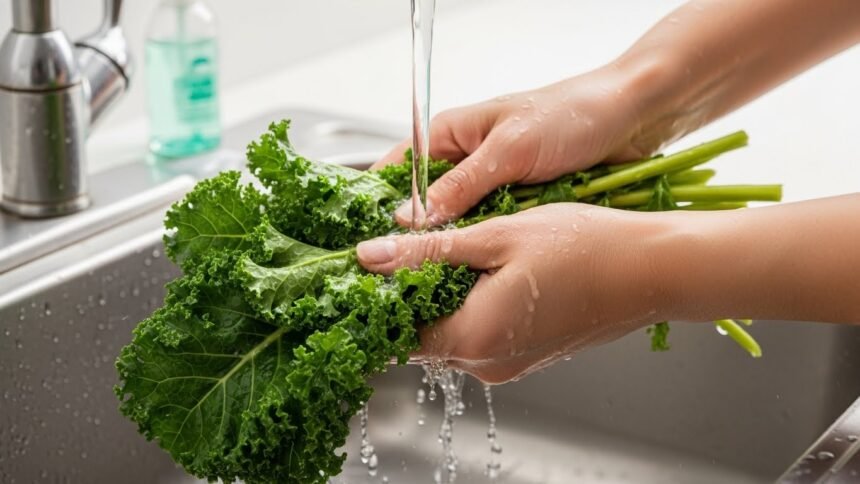
Kale has earned its reputation as a nutritional superstar. Packed with vitamins A, K, and C, as well as powerful antioxidants, it is a staple in smoothies, salads, and sautés for health-conscious individuals. However, alongside its accolades for nutrient density, kale frequently appears in headlines regarding pesticide residues. For consumers trying to maximize health benefits while minimizing chemical exposure, knowing how to wash kale properly is a critical kitchen skill.
While the benefits of eating fresh vegetables far outweigh the risks associated with pesticide residue, taking the time to clean your produce effectively can significantly reduce your exposure. This guide explores the science behind pesticide removal, compares different washing methods, and provides a step-by-step protocol to ensure your leafy greens are as clean as they are nutritious. Whether you buy organic or conventional, understanding the mechanics of washing produce is essential for food safety.
Why Is Kale Often a Concern for Pesticides?
Every year, the Environmental Working Group (EWG) releases a list known as the “Dirty Dozen,” which ranks non-organic fruits and vegetables by the highest levels of pesticide residue. Kale has frequently appeared near the top of this list. Unlike produce with thick skins that can be peeled—such as avocados or bananas—leafy greens like kale have large surface areas that are directly exposed to agricultural sprays. Furthermore, the textured, curly leaves of many kale varieties provide ample crevices for chemicals and soil to hide.
It is important to note that the presence of residue does not automatically mean a vegetable is unsafe to eat, but minimizing intake is a valid precaution. According to the EWG Dirty Dozen report, samples of kale can sometimes harbor multiple different pesticide residues. This reality drives many consumers toward organic options, yet organic farming also uses pesticides—derived from natural sources—which also require removal. For a deeper dive into the nutrients you are protecting, read our guide on the nutritional benefits of dark leafy greens.
The Science of Washing: Water vs. Additives
A common debate in the culinary and scientific communities revolves around what actually removes pesticides. Is plain water enough, or do you need a specialized vegetable wash? The U.S. Food and Drug Administration (FDA) generally recommends washing produce thoroughly under running water. Their research suggests that the friction of rubbing produce under water is effective at removing a significant portion of surface residues and dirt.
However, water alone may not remove everything. Some pesticides are hydrophobic, meaning they are designed to resist washing off in the rain. This ensures the chemicals stay on the crops longer to protect against pests, but it also makes them harder to wash off in your kitchen sink. Consequently, researchers have looked into household agents like vinegar and baking soda to see if they offer a cleaning advantage. If you are looking for other ways to use natural cleaners, check out our article on kitchen hacks using natural cleaning agents.
The Baking Soda Method: Evidence-Based Cleaning
One of the most compelling studies regarding pesticide removal was published in the Journal of Agricultural and Food Chemistry. Researchers compared the effectiveness of tap water, a Clorox bleach solution, and a baking soda (sodium bicarbonate) solution in removing pesticide residues from apples. The study found that the baking soda solution was the most effective at degrading certain pesticides.
While the study was conducted on apples, the chemical principle applies to other produce. The alkalinity of baking soda helps to break down specific types of stubborn pesticides, making them easier to rinse away. You can read the full abstract of this pivotal study at the ACS Publications website. Because kale has a more delicate structure than apples, a soak rather than a scrub is the preferred method to apply this science. This aligns with broader strategies for reducing toxins, which you can read about in our post on detoxifying your home environment.
Does Vinegar Work for Kale?
White vinegar or apple cider vinegar is another popular vegetable wash. The acetic acid in vinegar is excellent for killing bacteria and can be effective at breaking down some residues. However, it can also affect the texture and taste of delicate greens if left too long. While vinegar is a powerhouse for many health applications—see our extensive list of apple cider vinegar uses—baking soda generally edges it out specifically for pesticide removal. That said, a vinegar soak is a strong contender if your primary concern is bacterial contamination rather than chemical residue.
According to Colorado State University Extension, a soak in a vinegar solution (1 part vinegar to 3 parts water) can reduce bacterial load, though a thorough rinse afterward is mandatory to prevent your salad from tasting pickled.
Step-by-Step Guide to Washing Kale
To maximize cleanliness and maintain the crisp texture of your kale, follow this comprehensive protocol. This method combines the mechanical action recommended by the FDA with the chemical degradation benefits of baking soda.
1. Preparation and Hygiene
Before handling any fresh produce, it is imperative to wash your hands thoroughly with soap and warm water for at least 20 seconds. This prevents the transfer of bacteria from your skin to the food. For a refresher on why this matters, see our article on the importance of hand hygiene in the kitchen. Ensure your sink or the bowl you intend to use is sanitized.
2. Strip and Sort
Discard any wilted or yellowing outer leaves. If you are not cooking the stems, strip the leafy greens from the tough ribs. This increases the surface area exposed to the water and ensures dirt trapped near the stem is released.
3. The Baking Soda Soak
Fill a large bowl or a clean sink with cold water. Add 1 teaspoon of baking soda for every 2 cups of water. Submerge the kale leaves completely. Swish them around gently to ensure every fold and crevice is wet. Let the kale soak for 12 to 15 minutes. This duration allows the sodium bicarbonate to interact with the pesticide residues.
4. The Agitation and Rinse
After soaking, agitate the greens vigorously in the water to loosen dirt and debris. Drain the water, which may look slightly murky. Rinse the leaves thoroughly under cold, running water. The mechanical force of the running water helps wash away the loosened residues and the baking soda solution.
5. Drying is Crucial
Wet kale spoils quickly. Dry your leaves thoroughly using a clean kitchen towel or, ideally, a salad spinner. Removing excess moisture is key to preventing bacterial growth during storage. If you need equipment recommendations, we have reviewed the best salad spinners on the market.
Organic vs. Conventional: Is the Price Worth It?
Many consumers wonder if the “organic” label eliminates the need for such rigorous washing. The answer is no. Organic farmers use pesticides derived from natural sources, and organic produce can still pick up drift from neighboring conventional farms or contaminants during transport. The Mayo Clinic emphasizes that organic foods are not necessarily pesticide-free, but the pesticide load is significantly lower and the chemicals used are generally less toxic.
However, if your budget allows, buying organic kale is a statistically safer choice regarding synthetic chemical exposure. If you are managing household finances, it is helpful to know where to spend and where to save; check our guide on budget-friendly healthy eating to make informed choices.
Health Risks Associated with Pesticides
Why go through all this trouble? The primary concern regarding pesticides involves long-term, low-level exposure. Certain agricultural chemicals are classified as endocrine disruptors, meaning they can interfere with the body’s hormonal systems. The National Institute of Environmental Health Sciences (NIEHS) notes that endocrine disruptors may be linked to developmental, reproductive, and neurological issues.
Furthermore, vulnerable populations, such as children and pregnant women, are at higher risk. During pregnancy, the body is more sensitive to environmental toxins. For expecting mothers, we highly recommend reading our pregnancy nutrition guide to understand how to minimize risks while maximizing nutrient intake. The World Health Organization (WHO) continually monitors pesticide residues to set safety limits, but sticking to proper washing techniques acts as your personal line of defense.
Other Ways to Reduce Pesticide Exposure
Beyond washing your kale effectively, there are other strategies to lower your overall body burden of environmental chemicals.
Eat the Rainbow
Eating a wide variety of fruits and vegetables prevents you from accumulating too much of a single type of pesticide that might be used heavily on one specific crop. Diversity in your diet is not only good for toxicology but also for gut health. Learn more about the benefits of eating the rainbow.
Grow Your Own
The only way to be 100% certain of what goes onto your kale is to grow it yourself. Kale is surprisingly hardy and easy to grow, even in containers. If you are interested in taking control of your food supply, read our beginner’s guide to starting a home garden.
Peeling and Cooking
While you cannot peel kale, cooking it (blanching, steaming, or sautéing) can further reduce pesticide residue levels compared to eating it raw. However, this also degrades some heat-sensitive vitamins like Vitamin C.
Storing Washed Kale for Longevity
Once you have gone through the effort of washing your kale, you want it to last. The enemies of fresh kale are moisture and air. After spinning the kale dry, wrap the leaves loosely in paper towels and place them in a sealed container or a produce bag with the air squeezed out. This method wicks away residual moisture while keeping the leaves hydrated enough to stay crisp. Proper storage is a form of food prep that saves time later; see our meal prep tips for more efficiency hacks.
According to the National Center for Home Food Preservation, keeping produce at the correct temperature (usually in the crisper drawer of your refrigerator) slows respiration rates and preserves quality. Do not wash kale until you are ready to use it, or if you do wash it in advance, ensure it is completely dry before storage to prevent slime and rot.
The Bottom Line
Kale remains one of the healthiest foods you can include in your diet. The fear of pesticides should not deter you from eating fresh vegetables, as the health consequences of a diet low in produce are far more established than the risks of minute pesticide residues. However, using a baking soda soak or a thorough water rinse is a prudent, science-backed habit that takes only minutes.
By understanding the mechanics of cleaning produce, you empower yourself to make healthier decisions for you and your family. For more information on maintaining a balanced, healthy lifestyle, rely on trusted sources like the Harvard T.H. Chan School of Public Health. Wash your greens, enjoy your meal, and nourish your body with confidence.