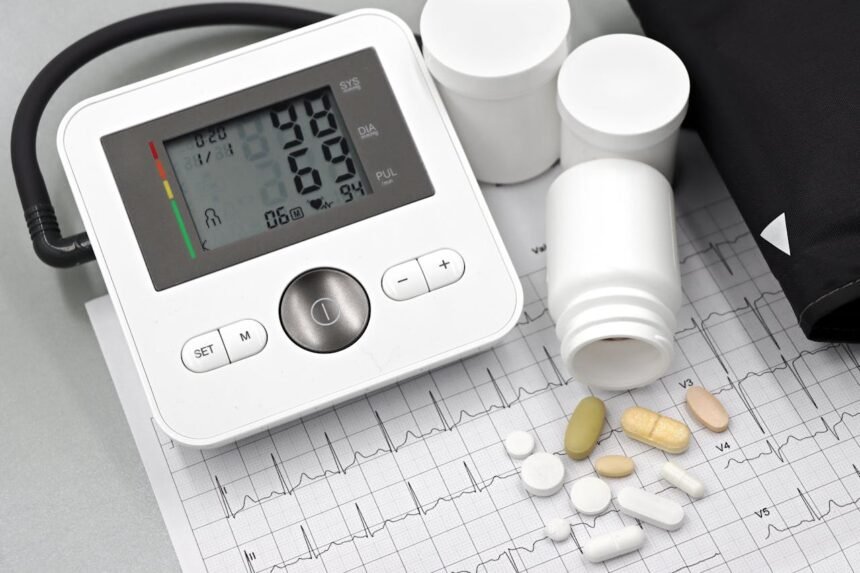
High blood pressure, commonly known as hypertension, affects approximately 16 million adults in the United Kingdom, according to the British Heart Foundation. Often called the “silent killer” because it frequently presents no obvious symptoms, hypertension significantly increases the risk of heart disease, stroke, and kidney problems. Understanding this condition and implementing effective management strategies can dramatically improve long-term health outcomes.
Understanding Blood Pressure and Hypertension
Blood pressure represents the force of blood against artery walls as the heart pumps blood throughout the body. Measured in millimetres of mercury (mmHg), blood pressure readings consist of two numbers:
- Systolic Pressure: The upper number, measuring pressure when the heart beats
- Diastolic Pressure: The lower number, measuring pressure between heartbeats
The NHS defines blood pressure categories as:
Normal: Below 120/80 mmHg
Elevated: Systolic 120-129 and diastolic below 80
Stage 1 Hypertension: 130-139/80-89 mmHg
Stage 2 Hypertension: 140/90 mmHg or higher
Hypertensive Crisis: Above 180/120 mmHg (requires immediate medical attention)
The Silent Nature of Hypertension
Most individuals with high blood pressure experience no noticeable symptoms, which explains why the condition often goes undiagnosed for years. When symptoms do occur, they may include:
- Persistent headaches
- Shortness of breath
- Nosebleeds
- Dizziness or lightheadedness
- Chest pain
- Visual changes
The American Heart Association emphasises that these symptoms typically appear only when blood pressure reaches dangerously high levels, making regular monitoring crucial for early detection.
Causes and Risk Factors
Hypertension is classified into two main types:
Primary (Essential) Hypertension: Accounts for 90-95% of cases with no identifiable cause but develops gradually over years due to multiple factors.
Secondary Hypertension: Results from underlying conditions such as kidney disease, thyroid problems, or certain medications.
Major Risk Factors:
- Age: Risk increases with age, particularly after 45 for men and 65 for women
- Family History: Genetic predisposition plays a significant role
- Ethnicity: African-Caribbean populations face higher risk
- Obesity: Excess weight requires the heart to pump harder
- Physical Inactivity: Sedentary lifestyle weakens cardiovascular health
- High Sodium Diet: Excessive salt intake increases blood pressure
- Smoking: Tobacco use damages blood vessels
- Alcohol Consumption: Excessive drinking elevates blood pressure
- Chronic Stress: Prolonged stress affects cardiovascular health
- Sleep Disorders: Sleep apnoea and poor sleep quality contribute to hypertension
The World Health Organization identifies hypertension as the leading modifiable risk factor for cardiovascular disease globally.
Health Consequences of Uncontrolled Hypertension
Persistent high blood pressure damages arteries and organs throughout the body. The Stroke Association highlights several serious complications:
Cardiovascular Complications:
- Heart attack and heart failure
- Coronary artery disease
- Irregular heart rhythms (arrhythmias)
- Enlarged heart muscle
Neurological Complications:
- Stroke and transient ischaemic attacks (TIAs)
- Dementia and cognitive impairment
- Blood vessel damage in the brain
Other Organ Damage:
- Kidney disease and kidney failure
- Eye damage and vision loss
- Peripheral artery disease
- Sexual dysfunction
Diagnosis and Monitoring
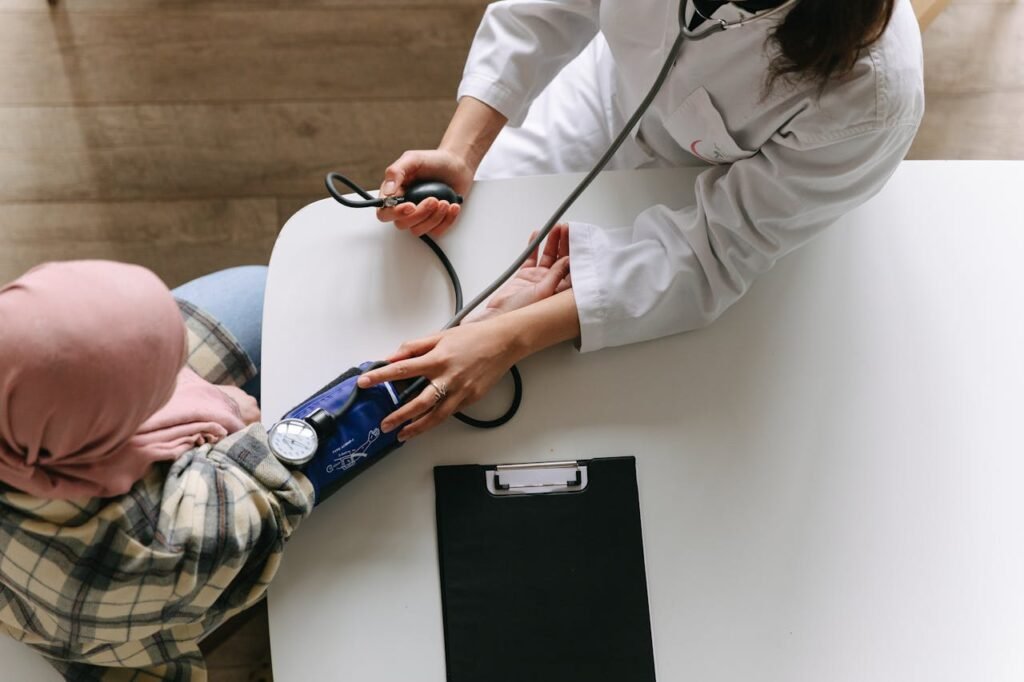
Accurate blood pressure measurement requires proper technique and multiple readings. The British Hypertension Society recommends:
Proper Measurement Technique:
- Rest for 5 minutes before measurement
- Use appropriate cuff size
- Support arm at heart level
- Avoid caffeine and exercise 30 minutes before testing
- Take multiple readings on separate occasions
Home Monitoring:
Home blood pressure monitoring provides valuable information about daily variations and treatment effectiveness. The NICE guidelines recommend home monitoring for:
- Confirming clinic readings
- Monitoring treatment response
- Detecting white coat hypertension
- Identifying masked hypertension
24-Hour Ambulatory Monitoring:
This gold standard measurement involves wearing a device that automatically records blood pressure throughout the day and night, providing comprehensive assessment of blood pressure patterns.
Lifestyle Modifications for Blood Pressure Control
The Mediterranean Diet and DASH (Dietary Approaches to Stop Hypertension) eating plans have demonstrated significant blood pressure reduction benefits.
Dietary Strategies:
- Reduce Sodium Intake: Limit to less than 6g salt daily (approximately one teaspoon)
- Increase Potassium: Include bananas, oranges, potatoes, and leafy greens
- Emphasise Whole Foods: Focus on fruits, vegetables, whole grains, and lean proteins
- Limit Processed Foods: Reduce consumption of packaged and restaurant foods
- Moderate Alcohol: Maximum 14 units weekly for both men and women
- Maintain Healthy Weight: Even modest weight loss can significantly reduce blood pressure
Physical Activity:
Regular exercise is one of the most effective lifestyle interventions for blood pressure control. The NHS recommends:
- Aerobic Exercise: 150 minutes of moderate-intensity or 75 minutes of vigorous activity weekly
- Resistance Training: Two sessions weekly focusing on major muscle groups
- Daily Movement: Breaking up prolonged sitting with light activity
- Gradual Progression: Starting slowly and gradually increasing intensity
Stress Management:
Chronic stress contributes to hypertension through various mechanisms. Effective stress reduction techniques include:
- Mindfulness Meditation: Regular practice reduces stress hormones
- Deep Breathing Exercises: Simple techniques for immediate stress relief
- Yoga and Tai Chi: Combining physical activity with relaxation
- Social Support: Maintaining strong relationships and community connections
- Professional Counselling: Addressing underlying psychological stressors
Medical Treatment Options
When lifestyle modifications prove insufficient, various medications effectively reduce blood pressure. The European Society of Cardiology provides evidence-based treatment guidelines:
First-Line Medications:
- ACE Inhibitors: Block angiotensin-converting enzyme, relaxing blood vessels
- Angiotensin Receptor Blockers (ARBs): Similar to ACE inhibitors with fewer side effects
- Calcium Channel Blockers: Relax blood vessel muscles
- Thiazide Diuretics: Reduce blood volume by increasing urination
Combination Therapy:
Many patients require multiple medications for optimal blood pressure control. Fixed-dose combinations improve adherence and simplify treatment regimens.
Monitoring and Adjustment:
Regular follow-up appointments allow healthcare providers to:
- Assess treatment effectiveness
- Monitor for side effects
- Adjust dosages as needed
- Add additional medications if necessary
Special Considerations
Hypertension in Pregnancy:
Pregnancy-related hypertension requires careful monitoring and specialised treatment. The Royal College of Obstetricians and Gynaecologists provides specific guidelines for managing hypertension during pregnancy.
Elderly Patients:
Older adults may require modified treatment approaches due to:
- Increased sensitivity to medications
- Multiple health conditions
- Potential drug interactions
- Fall risk considerations
Resistant Hypertension:
Some patients experience difficulty achieving target blood pressure despite multiple medications. Specialist referral may be necessary for advanced treatment options.
Prevention Strategies
Prevention remains the most effective approach to hypertension management. The Public Health England emphasises population-level interventions:
Individual Prevention:
- Regular blood pressure screening
- Maintaining healthy weight
- Following heart-healthy diet
- Regular physical activity
- Stress management
- Avoiding tobacco and excessive alcohol
Community Prevention:
- Reducing salt content in processed foods
- Promoting physical activity opportunities
- Creating supportive environments for healthy choices
- Improving access to fresh, affordable produce
Living with Hypertension
A hypertension diagnosis requires lifelong management, but millions of people successfully control their blood pressure and live full, active lives. The Blood Pressure UK charity provides valuable resources and support for patients and families.
Long-term Success Strategies:
- Consistent medication adherence
- Regular monitoring and follow-up
- Lifestyle maintenance
- Strong support networks
- Staying informed about treatment advances
Technology Support:
Modern technology enhances hypertension management through:
- Smartphone apps for tracking readings
- Bluetooth-enabled home monitors
- Telemedicine consultations
- Medication reminder systems
Conclusion
Hypertension represents a major public health challenge, but effective prevention and treatment strategies can dramatically reduce associated risks. Early detection through regular screening, combined with lifestyle modifications and appropriate medical treatment, enables most individuals to achieve and maintain healthy blood pressure levels.
Understanding hypertension empowers individuals to take control of their cardiovascular health. Working closely with healthcare professionals and accessing resources from organisations like Blood Pressure UK and the British Heart Foundation provides the foundation for successful long-term management.
Remember, small, consistent changes in diet, exercise, and stress management can yield significant improvements in blood pressure control and overall cardiovascular health.