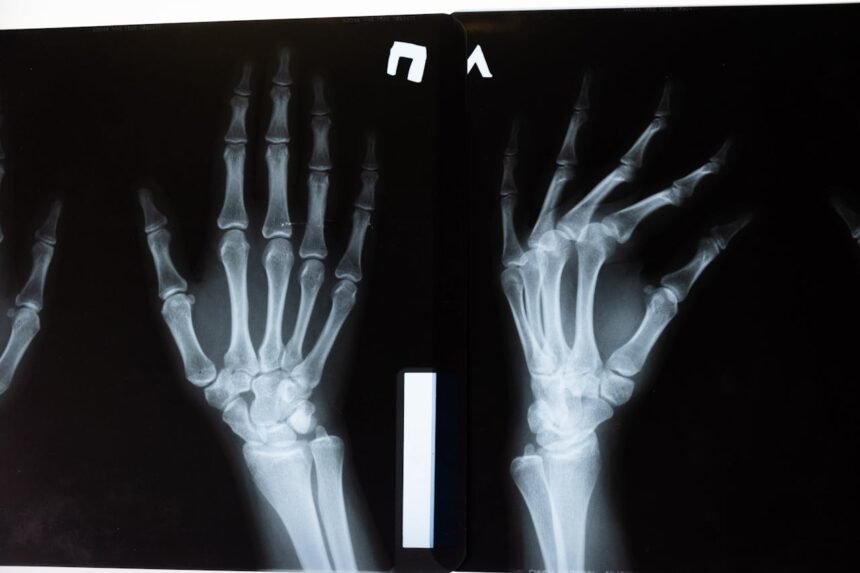
Bone health often remains an overlooked aspect of overall wellness until a fracture or diagnosis brings it into sharp focus. Yet, for professionals striving for sustained health and longevity, understanding and actively enhancing bone density is paramount. The silent progression of bone loss, leading to conditions like osteopenia and osteoporosis, significantly increases fracture risk factors and can severely compromise quality of life. Proactive osteoporosis prevention isn’t merely about avoiding falls; it’s about building and maintaining a robust skeletal framework throughout life. A cornerstone of this preventative strategy lies in the intelligent implementation of weight-bearing workouts.
This comprehensive guide delves into the science and practical application of weight-bearing exercises, offering bone density tips that extend beyond the gym to encompass nutrition, lifestyle, and specific considerations for different life stages. By understanding how mechanical stress translates into stronger bones, professionals can design effective regimens to foster enhanced bone density and reduce future health burdens.
Understanding Bone Density and Its Critical Role
Our bones are not static structures; they are dynamic, living tissues constantly undergoing a process called remodeling. Old bone tissue is broken down (resorption), and new bone tissue is formed (formation). Bone density refers to the amount of bone mineral in bone tissue, serving as a key indicator of bone strength. High bone density signifies a lower risk of fractures, while low bone density makes bones brittle and susceptible to breaks from minor trauma.
Maintaining optimal bone density is crucial for several reasons:
- Preventing Fractures: Strong bones resist breaks, reducing the impact of falls or accidents, especially important as we age.
- Supporting Mobility and Independence: A healthy skeleton allows for unrestricted movement, supporting an active lifestyle and independence throughout one’s senior years.
- Protecting Organs: Bones provide a protective shield for vital organs.
- Mineral Storage: Bones store essential minerals like calcium and phosphorus, releasing them into the bloodstream as needed.
While genetics play a role, lifestyle choices significantly influence our bone health. Regular bone scan results (DEXA scans) can provide valuable insights into current bone density, allowing for timely intervention and monitoring of bone-building strategies.
The Science Behind Weight-Bearing Workouts
The fundamental principle linking exercise to bone density is Wolff’s Law, which states that bone adapts to the loads placed upon it. When bones are subjected to stress – either through impact or the pull of muscles – they respond by becoming denser and stronger. This mechanical stress stimulates osteoblasts, the cells responsible for forming new bone tissue. Without such stress, bones can gradually lose density, much like an astronaut in zero gravity experiences rapid bone loss.
Weight-bearing workouts are exercises performed while standing, where your bones and muscles work against gravity. This category can be broadly divided into high-impact and low-impact activities, both crucial for bone strength exercises. Resistance training, while not strictly weight-bearing in all forms, also contributes significantly by generating tension on bones through muscle contractions. The key is to engage in activities that provide sufficient mechanical loading to signal your body to build new bone. For optimal results, these workouts should incorporate the principle of progressive overload, gradually increasing the intensity or resistance over time to continually challenge the bones.
Types of Effective Weight-Bearing Workouts
Integrating a variety of exercises is key to stimulating bone growth across different skeletal sites.
High-Impact Weight-Bearing Workouts
These exercises involve both feet leaving the ground, creating a significant impact force upon landing. They are highly effective for bone building but require careful consideration of joint health and current fitness levels.
- Jumping: Simple vertical jumps, jumping jacks, or jump rope. Even short, intense bursts of jumping can have a profound effect on bone density, particularly in the hips and spine.
- Running/Jogging: These activities place significant stress on the bones of the legs, hips, and spine. While highly beneficial, attention must be paid to proper form and footwear to mitigate runner bone stress and prevent injuries.
- Plyometrics: Explosive movements like box jumps, broad jumps, or bounding exercises. These are advanced forms of impact training that generate powerful forces, maximally stimulating bone adaptation.
Considerations: High-impact activities may not be suitable for individuals with pre-existing joint conditions, osteoporosis, or a history of fractures. Consultation with a healthcare professional is advised before starting.
Low-Impact Weight-Bearing Workouts
For individuals seeking gentler options or those with specific health concerns, low-impact weight-bearing exercises offer effective alternatives. These activities involve one foot remaining on the ground at all times, reducing jarring forces on joints while still providing gravitational stress.
- Brisk Walking/Hiking: Walking, especially at a brisk pace or uphill, is an accessible and effective way to strengthen leg and hip bones. Hiking adds varied terrain and often inclines, increasing the challenge.
- Stair Climbing: Walking up and down stairs or using a stair-climbing machine provides concentrated weight-bearing stress on the lower body.
- Dancing: Many forms of dance involve dynamic, weight-bearing movements that are not only excellent for bone health but also for cardiovascular fitness and balance.
- Elliptical Training: While the impact is minimal, the standing, weight-bearing nature of elliptical training contributes to bone health.
These exercises are particularly beneficial for senior bone health, offering a safer pathway to improving bone density and balance without excessive stress.
Strength Training (Resistance Exercises)
While not always strictly “weight-bearing” in the sense of standing impact, resistance training is indispensable for bone health. When muscles contract, they pull on the bones they are attached to, creating mechanical stress that stimulates bone formation.
- Free Weights: Exercises like squats, lunges, deadlifts, overhead presses, and rows, when performed with proper form, engage multiple muscle groups and apply significant stress to the skeleton.
- Resistance Bands: A versatile option for all fitness levels, resistance bands can be used to add tension to bodyweight exercises or mimic free weight movements.
- Bodyweight Exercises: Push-ups, planks, squats, and lunges using only your body weight are excellent starting points for building strength and applying stress to bones.
- Weight Machines: Machines provide controlled movements and can be beneficial for beginners or those focusing on specific muscle groups.
Strength training is critical for developing robust bone strength exercises throughout the body, not just the lower limbs. It helps build muscle mass, which further supports bones and improves balance, reducing fall risk.

Implementing a Weight-Bearing Workout Program
Integrating an effective weight-bearing workout program requires thoughtful planning and a commitment to consistency.
- Consult a Professional: Before starting any new exercise regimen, especially if you have underlying health conditions or are at risk for osteoporosis, consult your doctor or a physical therapist. They can help assess your current bone density, evaluate your fracture risk factors, and recommend appropriate activities.
- Start Gradually: Begin with manageable exercises and durations, slowly increasing intensity, duration, or resistance over several weeks and months. This progressive approach allows your bones and muscles to adapt and reduces the risk of injury.
- Aim for Consistency: The benefits of weight-bearing exercise are cumulative. Aim for at least 30 minutes of moderate-intensity weight-bearing activity most days of the week, supplemented by 2-3 strength training sessions.
- Listen to Your Body: Pay attention to pain or discomfort. It’s important to differentiate between muscle soreness and joint pain. Adjust your routine as needed and don’t hesitate to seek professional advice.
- Variety is Key: Incorporate a mix of high-impact, low-impact, and strength training exercises to challenge different parts of your skeleton and maintain engagement.
Here’s a sample weekly plan incorporating diverse bone strength exercises:
| Day | Type of Exercise | Duration/Sets | Focus |
|---|---|---|---|
| Monday | Strength Training | 3 sets of 8-12 reps per exercise | Full body (Squats, Lunges, Push-ups, Rows) |
| Tuesday | Brisk Walking/Jogging | 30-45 minutes | Cardiovascular, Lower Body Impact |
| Wednesday | Rest or Active Recovery | Light stretching, Yoga | Flexibility, Recovery |
| Thursday | Strength Training | 3 sets of 8-12 reps per exercise | Full body (Deadlifts, Overhead Press, Planks) |
| Friday | High-Impact (Jumping) | 10-15 minutes (short bursts) | Bone density stimulation |
| Saturday | Hiking/Stair Climbing | 45-60 minutes | Cardiovascular, Lower Body Impact |
| Sunday | Rest or Active Recovery | Gentle walk, stretching | Relaxation, Preparation for the week |
Beyond Exercise: A Holistic Approach to Bone Health
While weight-bearing workouts are foundational, achieving optimal bone density requires a holistic approach that integrates nutrition and lifestyle factors.
Nutrition for Healthy Bones
A healthy bone diet provides the essential building blocks for bone formation and maintenance.
- Calcium Rich Foods: Calcium is the primary mineral component of bone. Excellent sources include dairy products (milk, yogurt, cheese), fortified plant-based milks, leafy green vegetables (kale, spinach), broccoli, sardines, and tofu. For those seeking dairy free calcium options, fortified cereals, chia seeds, and certain nuts also contribute.
- Vitamin D for Bones: Vitamin D is crucial for calcium absorption and bone mineralization. While some is produced by sun exposure, dietary sources like fatty fish (salmon, mackerel), fortified milk, and eggs are important. Many professionals benefit from supplementation, especially in regions with limited sunlight.
- Magnesium Bone Health: Magnesium plays a vital role in bone formation and activating vitamin D. Rich sources include leafy green vegetables, nuts, seeds, whole grains, and legumes.
- Other Key Nutrients: Vitamin K (found in leafy greens), phosphorus (in protein-rich foods), and zinc also contribute to bone health.
- Bone Healing Foods: For those recovering from fractures or focused on repair, a nutrient-dense diet rich in proteins, vitamins, and minerals is paramount. Bone broth benefits are often cited for its collagen, amino acids, and minerals that support bone and joint health.
- Vegan Bone Nutrients: Vegans should pay particular attention to plant-based sources of calcium, vitamin D (fortified foods/supplements), magnesium, and vitamin K, often found in leafy greens, fortified plant milks, and seeds.
Lifestyle Factors
- Avoid Smoking and Excessive Alcohol: Both smoking and heavy alcohol consumption are detrimental to bone density and increase fracture risk factors.
- Maintain a Healthy Weight: Being significantly underweight can contribute to lower bone density, while excessive weight can strain joints.
- Manage Chronic Conditions: Conditions like arthritis bone care often require specific management to prevent bone loss. Certain medications, like long-term corticosteroids, can also impact bone health, necessitating proactive strategies.
Specific Considerations
- Menopause Bone Loss & Postmenopausal Bones: Women experience accelerated bone loss during and after menopause due to declining estrogen levels. This makes targeted menopause bone loss strategies, including weight-bearing exercise and adequate nutrient intake, critically important for postmenopausal bones.
- Kids Bone Growth: Childhood and adolescence are critical periods for building peak bone mass. Encouraging active play and kids bone growth through nutrient-rich diets sets the foundation for lifelong bone health.
Frequently Asked Questions (FAQ)
Q1: How often should I do weight-bearing exercises for optimal bone density?
A: For general bone health, aim for at least 30 minutes of moderate-intensity weight-bearing activity most days of the week. For strength training, 2-3 sessions per week targeting all major muscle groups are recommended. Consistency is more important than sporadic, intense sessions.
Q2: Can I improve bone density if I already have osteoporosis?
A: Yes, even with osteoporosis, it’s possible to slow down bone loss and, in some cases, slightly improve bone density or maintain existing density. However, exercise must be carefully tailored to your specific condition and supervised by a healthcare professional or physical therapist to avoid fracture risk factors. Low-impact exercises and supervised strength training are usually recommended.
Q3: What role do supplements play in enhancing bone density?
A: Supplements for calcium and vitamin D bones can be beneficial if dietary intake is insufficient, or if there’s a diagnosed deficiency. However, they should complement, not replace, a balanced diet and exercise. Always consult your doctor before starting any supplement regimen, as excessive intake can have adverse effects.
Q4: Are all exercises good for bone density?
A: No. While all physical activity is generally good for overall health, only weight-bearing workouts and resistance training effectively stimulate bone growth. Non-weight-bearing activities like swimming or cycling, while excellent for cardiovascular health, do not provide the necessary mechanical stress to significantly impact bone density on their own.
Conclusion
The pursuit of enhanced bone density through weight bearing workouts is a powerful investment in long-term health and vitality. By understanding the biomechanical principles that govern bone adaptation, professionals can intelligently integrate high-impact, low-impact, and strength training exercises into their routines. This commitment, coupled with a robust healthy bone diet rich in calcium rich foods, vitamin D bones, and magnesium bone health, forms the bedrock of a resilient skeleton. Proactive bone density tips are not just about avoiding future issues; they are about empowering yourself to live a full, active life, free from the constraints of fragile bones. Embrace the challenge, fortify your framework, and step confidently towards a healthier future.