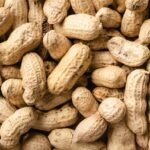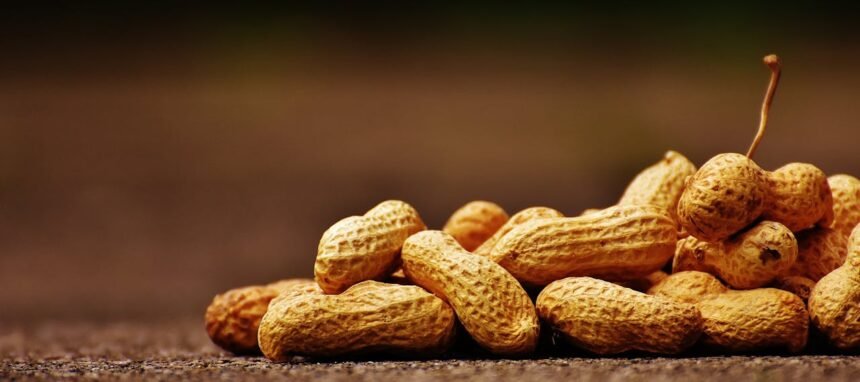
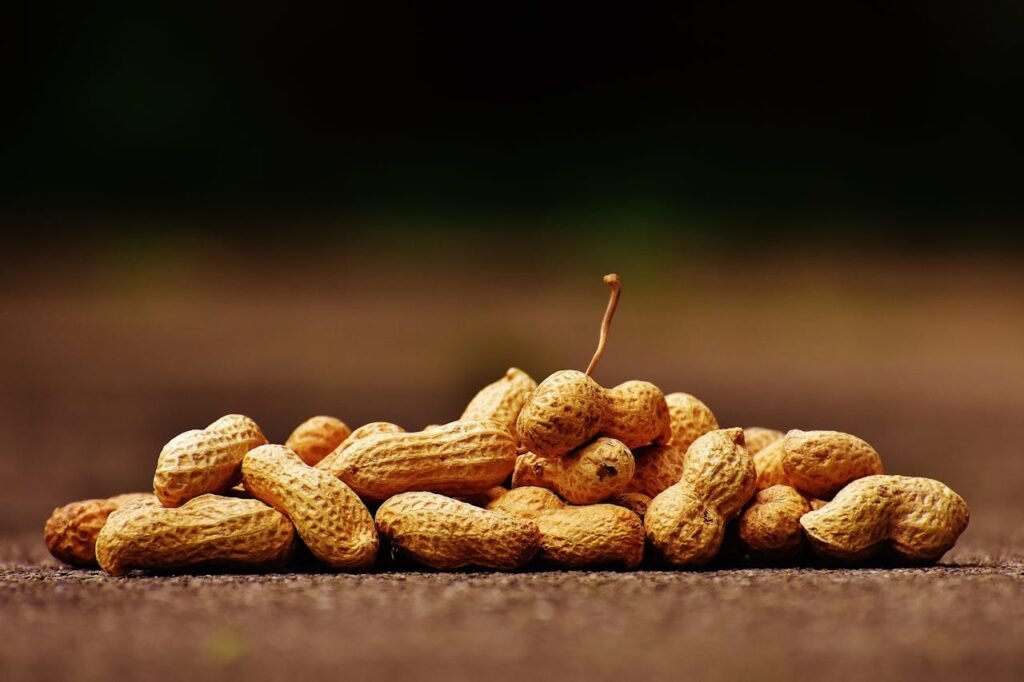
For many of us, the sight of in-shell peanuts evokes memories of festive seasons, pub snacks, or perhaps a day out at a sporting event. Often affectionately referred to as “monkey nuts” in the UK, these whole legumes offer far more than just a nostalgic crunch.
While processed nut butters and pre-shelled packets are convenient, there is a growing body of evidence suggesting that buying and consuming peanuts in their shells provides distinct nutritional and psychological advantages. From the slowing down of consumption to the preservation of freshness, keeping the shell on serves a purpose.
At Healthline, we believe that understanding the source of your food enhances your relationship with it. Whether you are interested in monkey nuts nutrition or simply looking for a healthier snack, this guide explores the comprehensive benefits of whole peanuts.
Overview: More Than Just a Snack
Peanuts (Arachis hypogaea) are technically legumes, related more closely to beans and lentils than to tree nuts like almonds or walnuts. However, their nutritional profile mimics that of expensive tree nuts, offering a dense source of protein, healthy fats, and essential micronutrients.
Historically, the peanut has a wild past. To understand where our modern varieties come from, it is worth looking into Jungle Peanuts: Exploring the Wild Ancestor of Modern Legumes, which highlights the evolutionary journey of this crop. Today, in-shell peanuts remain a staple because the shell acts as nature’s perfect packaging, protecting the delicate oils inside from oxidation and rancidity.
When you purchase fresh harvest peanuts, you are getting the nut in its most natural state, often requiring a bit of work to access the kernel, which plays a pivotal role in portion control.
Nutritional Profile
Peanuts are energy-dense, but they are also nutrient-dense. A standard serving contains a robust mix of macronutrients that support sustained energy levels.
Macronutrient Breakdown
When discussing whole peanuts calories, it is important to note that a 28-gram serving (about a handful of shelled kernels) provides roughly 160 calories. However, because the act of shelling takes time, you are less likely to overconsume calories compared to eating pre-shelled nuts.
- Protein: Peanuts are excellent high protein vegan snacks, containing about 7 grams of protein per serving.
- Fats: They are rich in monounsaturated fats, the heart-healthy type found in olive oil.
- Fibre: The fibre content in peanuts supports digestive health and aids in satiety.
According to the United States Department of Agriculture (USDA), peanuts are also rich in biotin, copper, manganese, and folate, making them a powerhouse for metabolic health.
The Ritual: Mindful Snacking Habits
One of the most overlooked benefits of in-shell peanuts is the mechanical act of opening them. In an era of mindless eating, where snacks are often consumed rapidly in front of screens, the shell serves as a natural “speed bump.”
The “Pistachio Effect”
Research suggests that eating nuts from the shell can significantly reduce caloric intake without reducing fullness. This phenomenon, often called the “Pistachio Effect,” applies perfectly to peanuts. The pile of empty shells serves as a visual cue, signalling to your brain exactly how much you have eaten.
Developing mindful snacking habits is crucial for long-term health. The ritual of cracking the shell, removing the skin—perhaps enjoying the specific taste of Spanish Peanuts: Small Size, Big Flavour and High Oil Content—creates a sensory experience that signals satiety hormones more effectively than rapid chewing.
Health Benefits
Beyond the mindfulness aspect, the biological impact of peanuts on the human body is profound.
Heart Health
Peanuts contain high levels of arginine, an amino acid that helps dilate blood vessels and improve circulation. The British Heart Foundation notes that replacing saturated fats with unsaturated fats, like those found in nuts, can help lower cholesterol levels.
Furthermore, the red skins often found on kernels inside the shell are rich in antioxidants, particularly resveratrol. To understand this specific benefit, you might want to read about Red Skin Peanuts: Antioxidant Benefits and Culinary Uses, which explains why you shouldn’t be too quick to rub the skin off.
Weight Management
Despite their high calorie count, studies show that peanuts for weight loss can be effective. The combination of protein, fibre, and fat keeps you fuller for longer. Furthermore, not all the fat in peanuts is absorbed by the digestive system; some of it passes through the body, meaning the metabolised calorie count may be lower than what is stated on the label.
For the best results, opt for unsalted peanuts in shell. This ensures you reap the benefits without the negative cardiovascular effects of excess sodium.
Blood Sugar Control
Peanuts have a low glycaemic index (GI), making them suitable for people with diabetes. Diabetes UK highlights nuts as a good snack choice because they do not cause sharp spikes in blood sugar.
Culinary Uses: Roasting and Boiling
While raw peanuts are edible, most people prefer them cooked to enhance flavour and digestibility. The debate of raw peanuts vs roasted often comes down to personal preference and nutritional retention.
Roasting at Home
If you are looking for roasted peanuts in shell uk recipes, it is surprisingly easy to do at home. Roasting enhances the antioxidant content and provides that signature crunch.
- Preheat your oven to 180°C (350°F).
- Spread whole peanuts in a single layer on a baking sheet.
- Roast for 15–20 minutes, shaking the tray halfway through.
Different varieties react differently to heat. For a sweeter treat, you might consider A Guide to Valencia Peanuts: Sweetness and Nutrition Profile, as this variety is naturally sweeter and roasts beautifully.
Boiled Peanuts
Popular in the American South and parts of Asia, boiling peanuts increases their antioxidant concentration—specifically isoflavones. Boiled peanuts health benefits include a higher hydration factor and a softer texture. To try this, you need fresh “green” peanuts. You can learn Where to Buy Green Peanuts Bulk for Traditional Recipes to get started with this unique preparation method.
Sustainability and Shells
Peanuts are a sustainable crop. They are nitrogen-fixers, meaning they return nitrogen to the soil rather than depleting it. However, eating in-shell peanuts leaves you with a byproduct: the shells.
Don’t Bin the Shells
Peanut shell uses are surprisingly varied. They are carbon-rich and make an excellent addition to compost heaps. If you are a gardener, you might be interested in How to Use Peanut Shell Mulch in Your British Garden to retain soil moisture.
On a larger agricultural scale, byproducts are used efficiently. For instance, Using Peanut Meal as an Organic Fertiliser and Animal Feed demonstrates the circular economy of the peanut industry.
Safety and Precautions
While nutritious, peanuts are not for everyone. Peanut allergies are among the most common food allergies and can be severe. The NHS provides comprehensive guidance on managing these allergies. If you are allergic, even cross-contamination can be dangerous.
Additionally, peanuts are susceptible to aflatoxin, a mould byproduct. Strict regulations in the UK ensure that buying bulk peanuts from reputable suppliers is safe, as levels are closely monitored by the Food Standards Agency.
Tips for Buying and Storing
To get the most out of your peanuts, storage is key. The high oil content means they can go rancid if kept in warm, humid conditions.
- Selection: Shake the shell. You should hear the nut rattle; if it doesn’t, it may be immature or shriveled.
- Storage: Keep in-shell peanuts in a cool, dry place. For long-term storage, the fridge or freezer is best.
- Sourcing: If you are interested in growing your own supply, check out Growing Your Own: Best Practices for Organic Peanut Seeds or ensure you have the right equipment by reading about Essential Peanut Harvesting Tools for Small-Scale Growers.
If you find yourself with an excess of peanuts and want to try something different, you can even process them into flour. Learn more about Roasted Peanut Flour: Gluten-Free Baking and Nutritional Gains for a gluten-free baking alternative.
The Bottom Line
In-shell peanuts are a nutritional powerhouse masquerading as a humble pub snack. The benefits of shelling nuts extend beyond the physical nutrients; the process encourages slower, more mindful eating, which aids in digestion and weight management.
Whether you enjoy them roasted, boiled, or raw, incorporating whole peanuts into your diet provides a wealth of protein, fibre, and healthy fats. Just remember to discard the shells responsibly—perhaps into your compost bin—and enjoy the satisfying crack of the shell.
For more information on heart health and nutrition, resources like the Mayo Clinic, Harvard T.H. Chan School of Public Health, and The Peanut Institute offer excellent data. Always consult a healthcare professional before making significant changes to your diet, especially if you have concerns about allergies.