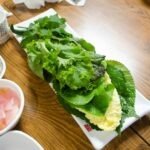
Integrating Mustard Greens into a Vegan Diet
Mustard greens are among the most nutritious and versatile leafy vegetables available, yet they are often overlooked in favour of spinach or kale. For those following a plant-based lifestyle, vegan mustard greens recipes offer a potent source of vitamins, minerals, and distinct peppery flavour.
Historically a staple in Southern American, Indian, and East Asian cuisines, these greens—scientifically known as Brassica juncea—are members of the cruciferous vegetable family. This places them in the same botanical category as broccoli, cauliflower, and Brussels sprouts.
Integrating these greens into your daily rotation can significantly boost your intake of calcium and iron, two nutrients that vegans must monitor closely. Their sharp, biting flavour adds complexity to dishes that mild greens simply cannot achieve.
This article explores the nutritional profile, health benefits, and practical ways to include mustard greens in a vegan diet.
Nutritional Profile
Mustard greens are low in calories but exceptionally high in fibre and micronutrients. They are particularly renowned for their high Vitamin K content, which is essential for bone health and blood clotting.
For vegans, these greens are a dietary powerhouse because they provide bioavailable calcium without the high oxalate load found in spinach, which can inhibit absorption.
Here is the nutritional breakdown for one cup (56 grams) of raw chopped mustard greens:
| Nutrient | Amount | % Daily Value (DV) |
|---|---|---|
| Calories | 15 | – |
| Protein | 2 grams | 4% |
| Fibre | 2 grams | 7% |
| Vitamin K | 144 mcg | 120% |
| Vitamin C | 39 mg | 44% |
| Vitamin A | 175 mcg | 19% |
| Calcium | 64 mg | 5% |
| Iron | 0.9 mg | 5% |
Additionally, mustard greens are rich in antioxidants, specifically flavonoids and beta carotene, which help protect your body against oxidative stress.
According to data from the USDA FoodData Central, regular consumption of these greens contributes significantly to daily potassium and magnesium requirements.
Potential Health Benefits
Incorporating vegan mustard greens dishes into your routine does more than just diversify your palate; it offers tangible health benefits supported by scientific research.
High in Disease-Fighting Antioxidants
Antioxidants are compounds that defend your cells against damage caused by free radicals. Mustard greens are rich in lutein and zeaxanthin, antioxidants linked to eye health, as well as vitamins C and E.
Research suggests that a diet high in cruciferous vegetables is associated with a lower risk of certain chronic conditions. The specific glucosinolates found in mustard greens are broken down into active compounds like indoles and isothiocyanates, which have been studied for their potential anticancer properties.
Supports Bone Health
For those on a vegan diet, maintaining bone density is a priority. Vitamin K is a critical factor in bone mineralisation. Just one cup of raw mustard greens provides well over 100% of the recommended daily intake of Vitamin K.
Inadequate Vitamin K intake has been linked to an increased risk of bone fractures and reduced bone density. You can read more about the role of Vitamin K in bone health from the National Institutes of Health.
Immune System Support
Mustard greens are an excellent source of Vitamin C. While often associated with citrus fruits, leafy greens are surprisingly potent sources. Vitamin C acts as a powerful antioxidant and stimulates the production of white blood cells, which are vital for fighting infections.
Furthermore, the Vitamin A found in these greens helps maintain the integrity of the mucosal barriers in your eyes, nose, and mouth, serving as the body's first line of defence against pathogens.
Heart Health
Cruciferous vegetables are well-regarded for their cardiovascular benefits. They contain compounds that bind to bile acids in the digestive system, which helps lower cholesterol levels.
Steam cooking significantly improves the bile acid-binding ability of mustard greens compared to eating them raw. The American Heart Association recommends a diet rich in leafy greens to help manage blood pressure and reduce the risk of heart disease.
Managing the Flavour Profile
One barrier to eating mustard greens is their strong flavour. They are often described as peppery, pungent, and slightly bitter, similar to horseradish or wasabi.
This distinct taste comes from the same glucosinolates that provide their health benefits. However, for a palatable vegan mustard greens experience, the preparation method is key.
Raw vs. Cooked:
- Raw: When eaten raw, the flavour is at its sharpest. This works well in small quantities in salads to add 'bite', similar to rocket (arugula).
- Cooked: Heat breaks down the enzymes responsible for the pungency, mellowing the flavour significantly. The longer they cook, the milder they become.
To balance the bitterness, chefs often employ the "fat, acid, salt" rule. Cooking the greens with a healthy fat (like olive oil), adding an acid (lemon juice or vinegar), and seasoning adequately can transform the greens from bitter to savoury.
Practical Ways to Integrate Mustard Greens
Replacing meat-based seasonings with plant-based alternatives allows you to enjoy traditional flavours while adhering to a vegan lifestyle. Here are several methods to prepare these greens.
1. The Southern-Style Braise (Veganised)
Traditionally, Southern greens are cooked with pork for hours. To create a vegan version, use smoked paprika or liquid smoke to replicate that deep, savoury depth.
Sauté onions and garlic in olive oil, add washed and chopped mustard greens, and cover with vegetable broth. Add a dash of apple cider vinegar and a teaspoon of maple syrup to cut the bitterness. Simmer for 45 minutes until tender. The vinegar also aids in nutrient absorption.
2. Asian-Inspired Stir-Fry
Mustard greens are a staple in Chinese and Japanese cooking. Their crisp texture holds up well to high heat.
Heat sesame oil in a wok. Sauté ginger and garlic until fragrant. Toss in the greens and stir-fry vigorously for 3–5 minutes. Finish with soy sauce or tamari and a sprinkle of toasted sesame seeds. This method retains the vibrant green colour and maximises Vitamin C retention, which can be lost during boiling.
3. Green Smoothies
If you find the texture of cooked greens unappealing, blending them is a viable option. However, because mustard greens are spicy, mix them with sweet fruits like bananas, mangoes, or pineapple.
Using a ratio of 60% fruit to 40% greens can mask the peppery taste while delivering a massive nutrient boost. Adding flaxseeds or avocado helps absorb the fat-soluble vitamins (A and K).
4. Indian Saag (Sarson ka Saag)
This is perhaps the most famous mustard green dish globally. A vegan version replaces ghee with oil or vegan butter.
Boil mustard greens with spinach (to mellow the flavour). Drain and blend into a coarse paste. Sauté spices like cumin, turmeric, and garam masala with onions, ginger, and garlic. Mix the greens back in and simmer. Serve with roti or rice for a complete meal.
Tips for Selection and Storage
To get the most out of your vegan mustard greens, proper selection is vital. Look for fresh, vibrant green leaves. Avoid leaves that are yellowing, withered, or have thick, fibrous stems, as these will be tough to eat.
Storage:
- Refrigeration: Store unwashed greens in a plastic bag in the crisper drawer of your fridge. They typically last for three to four days.
- Freezing: If you cannot eat them quickly enough, blanch them in boiling water for two minutes, plunge them into an ice bath, drain, and freeze. This preserves the colour and nutrient profile.
For more on how to select and store vegetables to minimise food waste and maximise nutrition, resources like Medical News Today offer excellent guidance.
Precautions and Considerations
While highly nutritious, there are a few considerations when adding mustard greens to your diet.
Vitamin K and Blood Thinners:
Because mustard greens are incredibly high in Vitamin K, they can interact with blood-thinning medications like warfarin (Coumadin). Suddenly increasing your intake can affect how these drugs work. It is essential to maintain a consistent intake rather than avoiding them entirely, but consult your GP first.
Oxalates:
Like many leafy greens, mustard greens contain oxalates, though in lower quantities than spinach. High oxalate intake can contribute to kidney stones in susceptible individuals. Drinking plenty of water and boiling the greens (discarding the water) can reduce oxalate levels. You can learn more about oxalates and kidney health from the Mayo Clinic.
Goitrogens:
Cruciferous vegetables contain goitrogens, which may interfere with thyroid function if consumed in very large amounts, particularly if you have an iodine deficiency. Cooking the greens largely inactivates these compounds.
The Bottom Line
Integrating mustard greens into a vegan diet is a smart strategy for boosting nutrient density. They offer a superior source of calcium, iron, and antioxidants compared to many other vegetables.
Whether you enjoy them braised with smoky spices, stir-fried with ginger, or blended into a smoothie, vegan mustard greens can elevate the flavour and nutritional value of your meals.
As with all dietary changes, variety is key. Rotating mustard greens with other staples like kale, spinach, and chard ensures a broad spectrum of nutrients. For more information on the benefits of cruciferous vegetables, check out this comprehensive guide on Healthline.
By experimenting with different cooking methods to tame their natural piquancy, you can turn this humble leafy green into a delicious cornerstone of your plant-based diet.