
Intermittent fasting (IF) is buzzing in the wellness world, but a quick Google search often brings up advice tailored to men (like “Skip breakfast, lift heavy, repeat”).
For women, the story is different. Your hormones—specifically estrogen, progesterone, and cortisol—dance to a delicate rhythm. Fasting too aggressively can disrupt that rhythm. However, when done correctly, the 16/8 method is often the “sweet spot” for female physiology.
If you are curious about trying Intermittent fasting 16/8 results female 1 month timeline, this guide will walk you through exactly what happens to your body week-by-week.
What is the 16/8 Method?
The 16/8 method is simple: you fast for 16 hours and eat all your daily calories within an 8-hour window.
- Fast: 8:00 PM to 12:00 PM (noon) the next day.
- Eat: 12:00 PM to 8:00 PM.
During the fasting window, you consume zero calories. Water, black coffee, and unsweetened tea are your best friends.
Why Fasting is Different for Women
Before diving into the results, it is crucial to understand why women need to approach this differently.
Women have a molecule in their brain called kisspeptin, which stimulates sex hormones. Research suggests women have more kisspeptin than men, making their bodies more sensitive to calorie restriction.
If you fast too long or too often, your body may think it is in a famine. This spikes cortisol (the stress hormone). When cortisol is high, the body holds onto fat—specifically belly fat—as a survival mechanism. This is why the 16/8 approach is safer and more sustainable for women than longer fasts (like 24-hour fasts).
The 1-Month Timeline: What to Expect
You’ve decided to start. Here is the realistic breakdown of how the next 30 days will look and feel.
Week 1: The “Grind” Phase
The Feeling: Hunger pangs and irritability.
Your body is used to a steady stream of glucose (sugar) for energy. When you take that away in the morning, your “hunger hormone” (ghrelin) will spike at your usual breakfast time.
- Physical Changes: You might feel a bit lightheaded or get mild headaches. This is often due to a drop in electrolytes, not starvation.
- The Fix: Drink water with a pinch of sea salt or pink Himalayan salt during your fast.
Week 2: The “Switch” Phase
The Feeling: Increased energy and mental clarity.
By week two, your body begins metabolic switching. Instead of screaming for sugar, your body starts dipping into fat stores for fuel.
- Physical Changes: The morning “brain fog” lifts. You might find you don’t need that second cup of coffee.
- The Win: Your cravings for sugary snacks start to decrease because your blood sugar levels are stabilizing.
Week 3: The “Visual” Phase
The Feeling: Lighter and less bloated.
This is usually when the magic happens visibly. The chronic inflammation and water retention caused by constant digestion begin to subside.
- Physical Changes: Your clothes may fit looser around the waist. You aren’t necessarily losing pounds of fat overnight, but the bloat is gone.
- The Scale: You might see a drop of 2–4 pounds (mostly water weight initially, followed by fat).
Week 4: The “Routine” Phase
The Feeling: Effortless.
Fasting no longer feels like a “diet”; it feels like a lifestyle. You stop watching the clock waiting for 12:00 PM.
- Physical Changes: Consistent fat loss (approx. 0.5 to 1.5 lbs per week is healthy). Your skin may look clearer due to a process called autophagy (where cells clean out damaged parts), which ramps up during fasting.
What to Eat During Your 8-Hour Window
You cannot fast for 16 hours, binge on fast food for 8 hours, and expect results. The quality of food matters. To support female hormones, focus on:
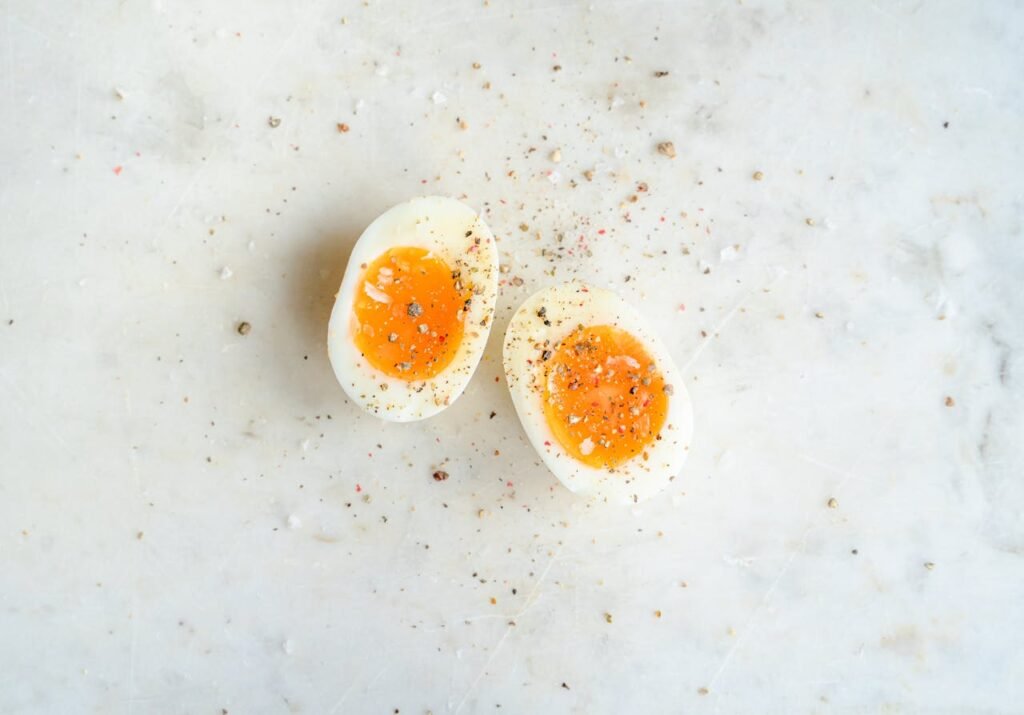
- Protein First: Break your fast with protein (eggs, chicken, tofu, Greek yogurt). This keeps you full and protects muscle mass.
- Healthy Fats: Avocados, nuts, olive oil, and salmon. Fats are essential for hormone production.
- Fiber: Leafy greens and cruciferous veggies to keep your gut microbiome happy.
Pro Tip: If you feel shaky or overly stressed, break your fast early. Listen to your body over the clock.
3 Common Mistakes Women Make
- Ignoring the Cycle: In the week before your period (the Luteal phase), your body needs more energy and carbs. It is okay to shorten your fasting window to 12 or 14 hours during this week.
- Not Drinking Enough Water: Fasting flushes out water and electrolytes. If you don’t replace them, you will feel tired.
- Undereating: If you only eat 800 calories in your window, you will damage your metabolism. Ensure you are eating enough nutrient-dense food to fuel your day.
Conclusion: Is 16/8 Right for You?
If you commit to the Intermittent fasting 16/8 results female 1 month plan, you can expect reduced bloating, better energy, and the start of sustainable weight loss.
However, consistency is key. Don’t worry about being perfect. If you have brunch on Sunday at 10:00 AM, just get back on schedule Monday.
Ready to start? Download a fasting tracker app today and plan your first meal for 12:00 PM tomorrow!