Walk into any supermarket in the UK, and you will likely find avocados nestled comfortably between the tomatoes and the leafy greens. They are a staple of savoury dishes, the star of guacamole, and the finishing touch on modern toast. However, their placement in the produce aisle often leads to a common query that has sparked dinner table debates for decades: is avocado a fruit or a vegetable?
While the answer might seem trivial, understanding the classification of this green wonder reveals a fascinating intersection between botany, culinary arts, and nutrition. The distinction affects not just how we categorise it, but how we understand its role in our diet.
Here, we explore the definitive answer, diving deep into the science behind the avocado, its nutritional profile, and why it continues to confuse consumers and cooks alike.
Overview
The confusion surrounding the avocado is understandable. In the culinary world, we tend to categorise produce based on flavour profiles. Sweet items are fruits; savoury items are vegetables. Since avocados have a rich, nutty, and distinctly savoury profile, they are treated as vegetables in kitchens globally.
However, science tells a different story. To answer the question “is avocado a fruit or a vegetable” definitively, we must look at the plant’s anatomy rather than its taste.
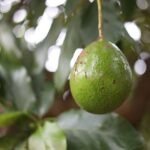
Botanically, an avocado (Persea americana) is considered a fruit. More specifically, it is a large berry containing a single seed. It grows on trees and develops from the flower of the plant, which is the primary biological requirement for a fruit.
Despite this, the debate persists because of how unique the avocado is compared to other fruits. It is low in sugar and high in healthy fats, making it an anomaly in the fruit kingdom. This article will break down the botanical causes of this classification and how to manage this superfood in your daily diet.
The Roots of Confusion: Botanical Causes
To understand why an avocado is a fruit, we must first define what fruits and vegetables are from a scientific perspective. The classification stems from the part of the plant that is being consumed.
The Botanical Definition
In botany, a fruit is the mature ovary of a flower. It is the structure that bears the seeds of the plant. This is the reproductive mechanism that allows the plant to spread its lineage.
Vegetables, conversely, are the other edible parts of the plant. This includes leaves (spinach), stems (celery), roots (carrots), and flowers (broccoli).
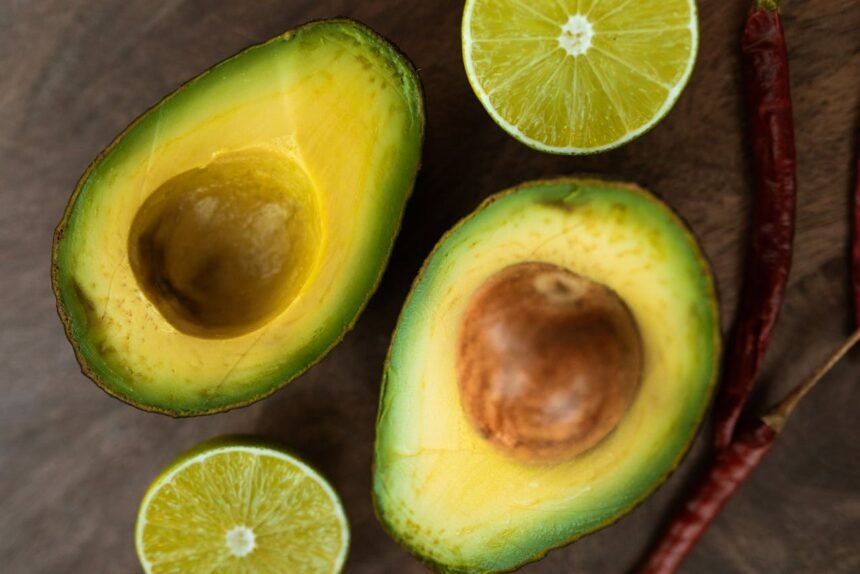
When we apply these definitions to the avocado, the answer becomes clear. The avocado develops from the ovary of the avocado flower. The skin (exocarp), the fleshy green meat we eat (mesocarp), and the thin layer around the stone (endocarp) constitute the pericarp, which surrounds the seed. Because it encapsulates a seed and develops from a flower, the avocado is biologically a fruit.
Why It Is a Berry
It may surprise you to learn that not only is the avocado a fruit, but it is also technically a berry. In botanical terms, a berry is a fleshy fruit produced from a single ovary.
While we typically associate berries with small, multi-seeded fruits like strawberries (which, ironically, are aggregate fruits and not true berries), the avocado fits the strict botanical criteria of a berry: it has a fleshy pulp and a seed derived from a single ovary.
The Culinary ‘Vegetable’ Phenomenon
If the science is so settled, why does the question “is avocado a fruit or a vegetable” persist? The ’cause’ of the confusion lies in culinary usage and legal precedents.
Culturally, we do not treat avocados like bananas or apples. You rarely see avocado in a fruit salad or a dessert pie. Its high oil content and lack of sweetness align it with vegetables in the culinary arts. We salt it, pepper it, and serve it alongside onions and garlic.
This distinction is not unique to avocados. Tomatoes, cucumbers, peppers, and aubergines are all botanically fruits that are treated as vegetables. In the late 19th century, the US Supreme Court even ruled that tomatoes should be taxed as vegetables, cementing the divide between botanical truth and common usage.
Dietary Management: Nutrition and Preparation
Regardless of whether you view it as a fruit or a vegetable, the avocado is a nutritional powerhouse. Treating it as a staple in your diet requires understanding its unique profile, which differs significantly from other fruits.
A Unique Nutrient Profile
Most fruits are composed primarily of carbohydrates, specifically natural sugars like fructose. Avocados are unique because they are comprised mostly of fats.
However, this should not deter you. The fats found in avocados are primarily monounsaturated fats, specifically oleic acid. This is the same heart-healthy fatty acid found in olive oil. These fats are essential for reducing inflammation and have been linked to beneficial effects on genes linked to cancer.
Blood Sugar Management
Because avocados are low in carbohydrates and high in fibre, they have a minimal effect on blood sugar levels. This makes them an excellent dietary choice for individuals managing diabetes or insulin resistance.
According to Healthline, avocados do not cause the sugar spikes associated with other fruits. Their high fibre content—roughly 7 grams in a standard serving—aids in digestion and helps maintain a feeling of fullness, which can assist in weight management strategies.
Vitamins and Minerals
Avocados are nutrient-dense. A single serving provides a significant amount of:
- Potassium: They contain more potassium than bananas, a nutrient vital for maintaining electrical gradients in the body’s cells.
- Vitamin K: Essential for bone health.
- Folate: Crucial for cell repair and during pregnancy.
- Vitamin C and E: Powerful antioxidants that protect your cells from oxidative stress.
Integrating Avocado into Your Diet
Managing your intake is simple, but portion control is key due to the calorie density of fats. A typical serving size is often considered to be one-third or one-half of a medium avocado.
Due to their creamy texture, avocados can be used as a healthy substitute for saturated fats. You can use mashed avocado as a spread on toast instead of butter, or mix it into baking recipes to replace oils. This simple swap increases the nutrient density of your meal while reducing intake of less healthy fats.
Tips for Selection and Storage
To get the most out of this botanical berry, proper handling is essential. Avocados are climacteric fruits, meaning they continue to ripen after being harvested.
Selecting the Perfect Avocado
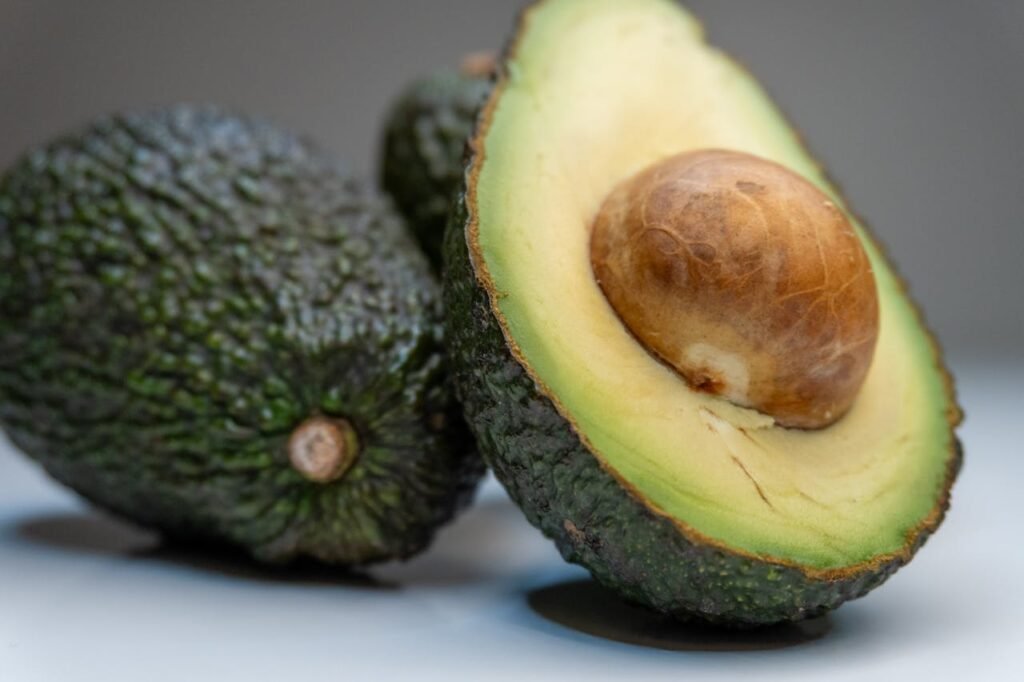
- Check the Colour: The Hass avocado, the most common variety in the UK, turns from green to purplish-black as it ripens. A bright green skin usually indicates the fruit is unripe and will need a few days.
- The Squeeze Test: Place the avocado in the palm of your hand and squeeze gently. It should yield to gentle pressure but not feel mushy. If it feels rock hard, it is unripe. If it feels like there are air pockets under the skin, it is overripe.
- The Stem Trick: Peel back the small stem cap at the top. If it comes away easily and you see green underneath, it is ripe. If it is brown, the avocado is likely overripe inside.
Storage Solutions
- Ripening: If your avocado is hard, store it at room temperature. To speed up the process, place it in a brown paper bag with a banana or apple. These fruits emit ethylene gas, a natural plant hormone that triggers ripening.
- Slowing Down: Once the avocado is ripe, move it to the fridge. The cold temperature will slow down the ripening process, giving you an extra two or three days to consume it.
- Preserving Cut Avocado: Oxidation causes the flesh to turn brown quickly. To prevent this, leave the pit in the unused half, squeeze lemon or lime juice over the exposed flesh, and wrap it tightly in cling film before refrigerating.
The Bottom Line
So, is avocado a fruit or a vegetable?
The botanical verdict is undeniable: the avocado is a fruit. Specifically, it is a single-seeded berry that grows from the flower of the Persea americana tree.
However, in the kitchen and on your plate, it is perfectly acceptable to treat it as a vegetable. Its savoury flavour, green colour, and culinary versatility make it a seamless addition to salads and main courses rather than fruit bowls.
Regardless of its classification, the avocado is a nutritional gem. Rich in heart-healthy monounsaturated fats, fibre, and essential vitamins, it deserves a place in a balanced diet. Whether you slice it, smash it, or blend it, you are consuming one of nature’s most unique and beneficial fruits.