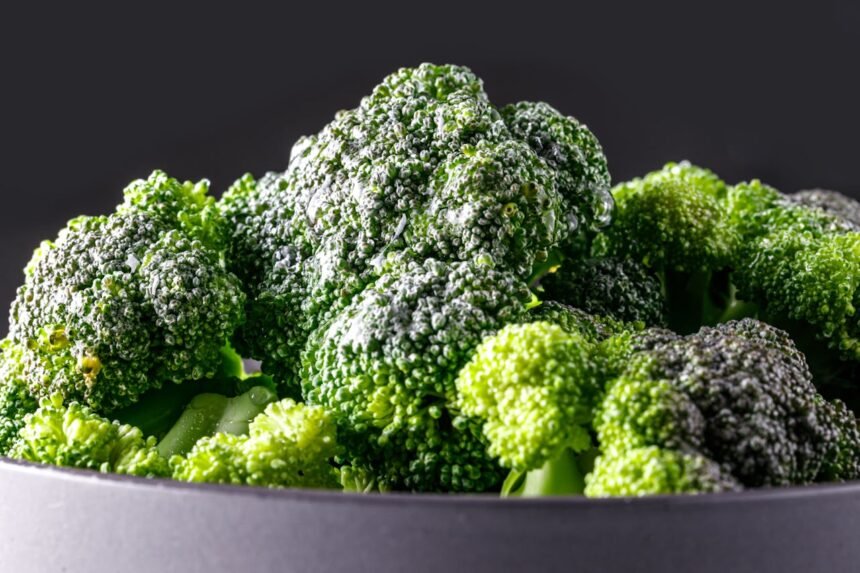
Most of us grew up with parents urging us to eat our greens, often pointing specifically to the miniature trees on our plates.
Broccoli is frequently hailed as a superfood, but is it truly deserving of that title? While some people love its crunch and earthy flavour, others find the taste bitter or the texture unappealing. Regardless of your personal preference, the nutritional data behind this cruciferous vegetable is undeniable.
From supporting heart health to potentially reducing the risk of chronic diseases, broccoli has been studied extensively for its positive impact on the human body. However, understanding exactly why it is good for you can help you make more informed dietary choices.
This article provides a comprehensive health overview of broccoli, analysing its nutritional profile, potential benefits, and how to include it in a balanced diet.
What Is Broccoli?
Broccoli is a cruciferous vegetable belonging to the Brassicaceae family. It is closely related to cauliflower, Brussels sprouts, kale, and cabbage.
Originating in the Mediterranean region, it has been a staple in European diets for centuries before gaining global popularity. The most common variety we see in supermarkets is Calabrese broccoli, named after Calabria in Italy.
This vegetable consists of a thick, edible stalk and a flowering head composed of small florets. It can be eaten raw or cooked, though the method of preparation can significantly influence its nutritional value.
Broccoli is prized not just for its versatility in cooking but for its incredible nutrient density. It allows you to consume a high volume of food with relatively few calories, making it an excellent choice for weight management plans.
Nutritional Breakdown
One of the main reasons health experts recommend broccoli is its impressive nutritional profile. It is packed with vitamins, minerals, fibre, and bioactive compounds.
Here is a closer look at the key nutrients found in raw broccoli. It is remarkably high in Vitamin C, which is essential for immune function and skin health. Just a single serving can provide nearly all your daily requirement.
Additionally, broccoli is a fantastic source of Vitamin K1, which is necessary for blood clotting and may promote bone health. It also contains decent amounts of folate (Vitamin B9), which is crucial for normal tissue growth and cell function.
In terms of minerals, it offers potassium, manganese, and iron. Perhaps most importantly, it is rich in antioxidants, which are compounds that inhibit oxidation and reduce cell damage in the body.

Health Benefits of Broccoli
Research has linked increased consumption of cruciferous vegetables to numerous health advantages. Here are the specific ways broccoli may boost your wellbeing.
1. Packed With Potent Antioxidants
The antioxidant content of broccoli is arguably its biggest claim to fame. Antioxidants are molecules that neutralise cell damage caused by free radicals.
Broccoli contains high levels of glucoraphanin, a compound that is converted into a potent antioxidant called sulforaphane during digestion. Studies suggest sulforaphane may offer multiple benefits, including reducing blood sugar, reducing cholesterol levels, and protecting against chronic disease.
Furthermore, it contains lutein and zeaxanthin, two antioxidants that are vital for preventing oxidative stress and damage in your eyes.
2. Supports Heart Health
Cardiovascular disease remains a leading cause of health issues globally. Incorporating broccoli into your meals may help support a healthy heart in several ways.
Elevated