In the relentless pursuit of healthier dietary choices, the spotlight has shifted away from refined white sugar toward more natural alternatives. From agave to stevia, the shelves are stocked with options promising sweetness without the guilt. Among these, coconut flower nectar has emerged as a popular contender, touted for its rich nutrient profile and lower glycemic impact.
But does it truly live up to the hype? While it is certainly less processed than table sugar, understanding its biological impact is crucial for anyone managing their weight or blood glucose levels.
This article provides an exhaustive look at coconut flower nectar, analysing its nutritional value, potential benefits, and how it compares to other sweeteners in your cupboard.
What Is Coconut Flower Nectar?
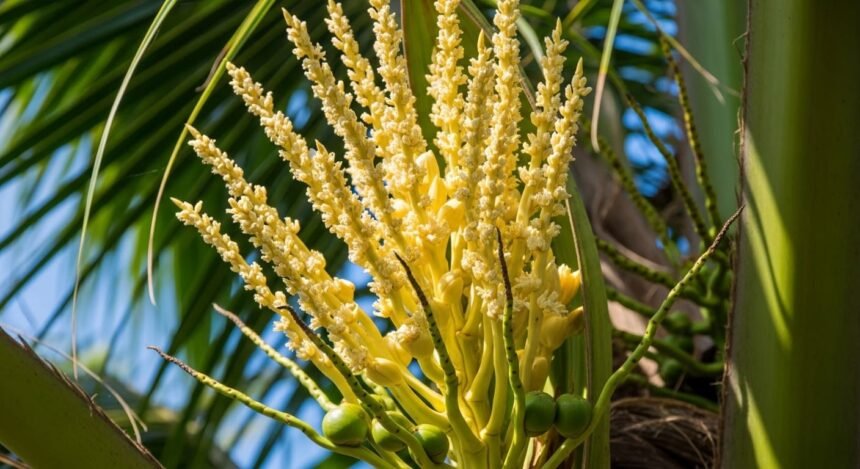
Coconut flower nectar is the sap collected from the flower blossom of the coconut palm (Cocos nucifera). Unlike coconut oil, which is pressed from the fruit’s meat, or coconut water, which is found inside the nut, this sweetener is derived directly from the tree’s inflorescence.
How It Is Made
Farmers climb the palms and make incisions in the flower stalks, allowing the sap to flow into containers—a traditional method that requires skill and precision. Interestingly, the durability required for harvesting is significant; the materials used in the industry are robust, much like the strength discussed in our guide on The Strength and Durability of Coconut Fiber Rope in Gardening.
The collected sap is then gently heated to evaporate the water content. This minimal processing prevents the destruction of natural enzymes and ensures it remains an unrefined liquid sweetener. The result is a thick, amber-coloured syrup with a distinct caramel flavour profile.
Because no chemicals or bleaching agents are used, many brands market this as organic coconut sap, appealing to those looking for sustainable sugar substitutes. In fact, the sustainability of coconut products extends beyond food; for more on eco-friendly coconut by-products, read about Sustainable Living: Why Every Kitchen Needs a Coconut Shell Bowl.
Nutritional Composition
One of the primary arguments for choosing coconut flower nectar over refined sugar is its nutritional content. Table sugar (sucrose) provides empty calories—energy with no nutritional benefit. In contrast, coconut nectar retains trace amounts of vitamins and minerals found in the coconut tree.
Minerals and Vitamins
This syrup is a potassium rich sweetener, which is essential for maintaining proper blood pressure and heart function. According to the National Institutes of Health (NIH), potassium counters the effects of sodium in the diet. It also contains zinc, iron, and magnesium. While these amounts are small, they contribute to the minerals in coconut nectar count that refined syrups lack.
For a broader understanding of coconut nutrition, you might find our article on A Detailed Look at Raw Coconut Meat Nutrition and Health Facts helpful.
Amino Acids
Research indicates the presence of amino acids in coconut sap, specifically glutamine. Glutamine plays a role in metabolic health and protein synthesis. While you would need to consume a dangerous amount of sugar to get your daily protein requirement from nectar alone, its presence marks a clear distinction from high-fructose corn syrup.
Inulin and Gut Health
Coconut nectar contains inulin, a type of prebiotic fiber. Inulin may help slow glucose absorption, which is why some consider this a low fructose syrup alternative (though it still contains fructose). Prebiotics feed healthy gut bacteria, a topic we explore further in A Guide to Making Probiotic-Rich Coconut Milk Kefir at Home.
A study published in PubMed suggests that inulin-type fructans have beneficial effects on gut microbiota and mineral absorption.
The Glycemic Index Factor
Perhaps the most significant selling point is the glycemic index of coconut syrup. The Glycemic Index (GI) measures how quickly a food raises blood sugar levels. Glucose is rated at 100.
- White Sugar: ~60–65
- High Fructose Corn Syrup: ~70+ (variable)
- Coconut Flower Nectar: ~35–54
The lower GI is largely attributed to the inulin content and the specific ratio of sugars. This has led many to view it as one of the better diabetic friendly syrup options. However, caution is advised. As noted by Diabetes UK, “natural” sugars still affect blood glucose levels and should be consumed in moderation.
If you are following a strict low-carb diet, you should also investigate Is Coconut Sugar Keto Friendly? Everything You Need to Know to see how coconut-based sweeteners align with ketosis.
Comparing Sweeteners
How does coconut nectar stack up against other common liquid sweeteners?
vs. Honey
Coconut nectar is often cited as a vegan honey alternative. While honey has antimicrobial properties, it is an animal byproduct. Coconut nectar offers a similar viscosity and sweetness level but with a deeper, more earthy flavour. It is an excellent choice for vegans.
vs. Agave Nectar
Agave is often criticised for its extremely high fructose content (up to 90%), which can be taxing on the liver. Coconut nectar is primarily sucrose, followed by glucose and fructose. For those seeking a coconut blossom syrup nutrition advantage, the lower fructose content compared to agave is significant. You can read more about the metabolic impact of fructose via Harvard Health Publishing.
vs. Maple Syrup
Maple syrup is another mineral-rich option. The choice between the two often comes down to taste preference. Maple is distinct, while coconut nectar has a more neutral, molasses-like sweetness that blends well in natural coffee sweetener applications.
Culinary Uses and Tips
Integrating coconut flower nectar into your diet is straightforward because it behaves very much like maple syrup or honey.
Baking and Cooking
Baking with liquid sweeteners requires minor adjustments; you may need to reduce the other liquids in your recipe slightly. The nectar adds moisture and a rich brown hue to cakes and cookies. It pairs exceptionally well with ingredients like coconut cream powder. For inspiration, check out How to Use Coconut Cream Powder in Your Daily Recipes.
Savoury Applications
Because of its caramel notes, it works beautifully in marinades and glazes. It can balance acidity in dressings, similar to how one might use coconut aminos. If you are out of aminos, read Finding the Best Coconut Aminos Substitute for Your Cooking.
Beverages
It dissolves easily in warm liquids, making it ideal for tea or coffee. It is also a great base for electrolyte drinks when combined with powders—learn more at The Ultimate Guide to Using Coconut Water Powder for Hydration.
Potential Downsides and Risks
Despite the raw coconut nectar benefits, it is vital to remember that it is still a form of added sugar.
Caloric Density
Coconut nectar contains roughly the same number of calories per tablespoon as sugar (approx. 50–60 calories). Consuming it in excess can lead to weight gain and metabolic issues. The NHS explicitly advises that free sugars—whether from honey, fruit juice, or coconut nectar—should not make up more than 5% of your daily calories.
The “Health Halo” Effect
Consumers often fall into the trap of thinking “natural” means “unlimited.” This can lead to overconsumption. Just as we question fad diets in Does a Coconut Oil Detox Really Help Cleanse Your Body?, we must approach natural sweeteners with a critical eye.
Cost and Availability
Coconut flower nectar is significantly more expensive than refined sugar due to the labour-intensive harvesting process. It is generally sold in health food stores or online.
Is It Safe for Everyone?
Generally, yes. It is safe for children and pregnant women. However, those with irritable bowel syndrome (IBS) should be cautious. The inulin content, while beneficial for many, is a FODMAP that can cause bloating in sensitive individuals. Digestive health is complex; for a broader look at coconut-based digestive aids, see Exploring the Health and Digestive Coconut Vinegar Benefits.
Furthermore, the American Heart Association warns that added sugars are a major contributor to cardiovascular disease, regardless of their source.
The Bottom Line
So, is coconut flower nectar a healthier sweetener for your diet?
The answer is a nuanced “yes,” but with conditions. It is certainly a better option than refined white sugar or high-fructose corn syrup due to its lower glycemic index, minimal processing, and trace mineral content. It serves as an excellent vegan honey alternative and offers a delightful caramel flavour profile that enhances both sweet and savoury dishes.
However, it is not a magic bullet. It remains a concentrated source of sugar. If you are using it to replace white sugar teaspoon-for-teaspoon, you are making a positive switch. But if the “healthy” label leads you to consume more sugar than usual, you negate the benefits.
Key Takeaways:
- Choose it for quality: Opt for organic coconut sap to ensure no chemical additives.
- Watch the quantity: Treat it as a treat, not a health supplement.
- Enjoy the taste: Its unique flavour is its strongest asset.
For more information on sustainable agriculture practices involving coconuts, the Food and Agriculture Organization (FAO) offers extensive resources. Additionally, if you are confused about the various types of sweeteners and their health impacts, the Mayo Clinic provides a comprehensive comparison.
By making informed choices, you can enjoy the sweetness of life while maintaining your health goals.