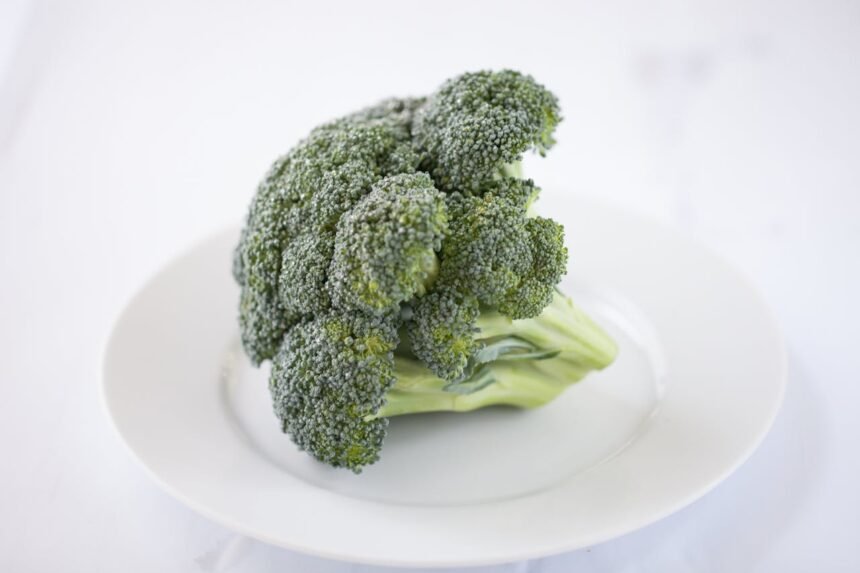
We have all stood in the supermarket aisle, debating our choices. On one side, you have vibrant heads of fresh broccoli, looking crisp and green. On the other, the convenient freezer bags promising longevity and ease.
It is a common dilemma. You want to prioritise your health, but you also need convenience. Perhaps you have bought fresh vegetables with the best intentions, only to find them wilting at the back of the fridge a week later.
We understand that guilt. Food waste is frustrating, and knowing you are missing out on vital nutrients is even worse.
The question remains: Are you compromising on nutrition by choosing the frozen option?
There is a pervasive myth that “fresh is always best.” While fresh produce is fantastic, the reality of how it reaches your plate is more complex than you might realise.
In this article, we will break down the science behind frozen versus fresh broccoli, exploring nutrient retention, cost, and convenience so you can make the best choice for your lifestyle.
The Journey from Farm to Fork
To understand the nutritional differences, we first need to look at what happens before the broccoli even reaches your kitchen. The timeline of harvesting plays a critical role in nutrient density.
The Lifecycle of Fresh Broccoli
Fresh broccoli is typically picked before it is fully ripe. This allows it to ripen during transport, which can take days or even weeks depending on where it is grown.
During this time, the vegetable is still “breathing” (respiration). It uses its own nutrients to stay alive cells. From the moment it is harvested, it begins to lose moisture and vital heat-sensitive vitamins.
By the time it arrives at your local supermarket, sits on the shelf, and finally makes it to your dinner plate, it may have lost a significant percentage of its original nutritional value. According to the National Health Service (NHS), counting fresh, frozen, and tinned fruit and vegetables all contribute towards your 5 A Day target.
The Freezing Process
Conversely, broccoli destined for the freezer is harvested at its peak ripeness. This is the moment when it is most nutrient-dense.
Within hours of being picked, the vegetable undergoes a process called blanching. This involves briefly scalding the broccoli in boiling water or steam, followed by rapid cooling.
Blanching is crucial because it:
- Stops enzyme actions which can cause loss of flavour, colour, and texture.
- Cleanses the surface of dirt and organisms.
- Brightens the colour and helps retard loss of vitamins.
Once blanched, the broccoli is flash-frozen. This locks in the vitamins and minerals, effectively hitting the “pause” button on nutrient loss. As noted by experts at Healthline, freezing prevents spoilage and preserves the nutritional profile for months.

Nutritional Breakdown: A Closer Look
Let us dive into the specific nutrients. Broccoli is hailed as a superfood for a reason. It is packed with fibre, Vitamin C, Vitamin K, and powerful antioxidants.
Does freezing destroy these benefits?
1. Vitamin C Retention
Vitamin C is water-soluble and highly sensitive to heat and light. It is one of the first nutrients to degrade in fresh produce.
Fresh broccoli can lose up to 50% of its Vitamin C content within a week of harvest if stored at ambient temperatures. While the blanching process for frozen broccoli does cause a small initial loss of Vitamin C, the subsequent flash-freezing preserves the remaining levels very effectively.
Research suggests that after prolonged storage, frozen broccoli often contains higher levels of Vitamin C than fresh broccoli that has been sitting in a fridge for several days. The British Nutrition Foundation highlights that freezing is an excellent method for preserving these volatile vitamins.
2. Fibre Content
Fibre is essential for digestive health and maintaining steady blood sugar levels.
The good news is that freezing has virtually no impact on fibre content. Whether you eat it fresh or frozen, you are getting the same digestive benefits. Organisations like Diabetes UK emphasise that all forms of vegetables count towards your daily fibre intake.
3. Folate and B Vitamins
Like Vitamin C, Folate (Vitamin B9) is sensitive to processing. Some folate is lost during the blanching phase.
However, the loss is generally minimal. Unless you are eating fresh broccoli immediately after picking it from a garden, the folate levels in high-quality frozen broccoli are comparable to store-bought fresh varieties.
4. Antioxidants and Cancer-Fighting Compounds
Broccoli is rich in glucosinolates and sulforaphane, compounds linked to reduced cancer risk.
Cancer Research UK notes that a diet high in plant foods can help reduce cancer risk. While intense heating can degrade these enzymes, the quick blanching process used for frozen vegetables is generally not long enough to destroy them completely.
To maximise these compounds in frozen broccoli, avoid boiling it for too long when you cook it at home.
Actionable Tips for Maximising Nutrition
It is not just about how you buy it; it is about how you cook it. You can undo all the benefits of fresh or frozen produce by overcooking it.
Here are some tips to keep your broccoli nutritious:
- Steam, Don’t Boil: Boiling leaches water-soluble vitamins (like Vitamin C and B vitamins) into the water. If you drain that water, you pour the nutrients down the sink. Steaming preserves these best. The British Heart Foundation recommends steaming or microwaving to retain nutrients.
- Keep Frozen Frozen: Do not let frozen broccoli thaw on the counter before cooking. This can affect the texture and lead to nutrient loss. Cook it straight from the freezer.
- Watch the Sodium: Some frozen vegetable mixes come with added sauces or seasoning. Check the label to ensure you are buying 100% broccoli to avoid hidden salt and sugar. The Food Standards Agency advises checking labels for additives.
- Use the Stems: If you buy fresh, do not throw away the stalks! They are packed with fibre and calcium. Peel the tough outer layer and chop them up.
- Safe Storage: If you buy fresh, store it in the crisper drawer of your fridge and do not wash it until you are ready to use it. Moisture promotes mould growth.
Fresh vs. Frozen: The Comparison Table
To help you decide which is best for your current needs, we have compiled a quick comparison of the practical factors.
| Factor | Fresh Broccoli | Frozen Broccoli |
|---|---|---|
| Nutrient Density | High if eaten immediately; decreases rapidly over time. | High and stable; nutrients locked in at harvest. |
| Texture | Crisp and crunchy; ideal for raw salads or stir-fries. | Softer once cooked; best for soups, stews, or steaming. |
| Preparation Time | Requires washing, chopping, and peeling. | Ready to cook; pre-washed and chopped. |
| Shelf Life | Short (5–7 days in the fridge). | Long (8–10 months in the freezer). |
| Cost | Can be expensive when out of season. | Generally cheaper and consistent year-round. |
| Waste | Stems often discarded; spoilage risk is high. | Zero waste; use exactly what you need. |
For many busy families, the reduction in food waste makes frozen a more sustainable and economic choice. The Association of UK Dietitians (BDA) supports using frozen vegetables as a cost-effective way to meet nutritional goals.
Frequently Asked Questions
Is frozen broccoli processed food?
“Processed” simply means it has been altered from its original state. In this case, the processing is minimal (washing, chopping, blanching, freezing). It does not contain artificial preservatives. It is considered a whole food.
Does freezing broccoli ruin the taste?
Freezing can slightly alter the cell structure, making the texture softer once thawed. It might not have the same “snap” as fresh broccoli, which is why it is less suitable for raw salads but excellent for cooked dishes. BBC Good Food offers excellent recipes specifically designed for frozen greens.
Can I refreeze broccoli if it has thawed?
It is generally safe to refreeze vegetables if they still contain ice crystals or feel cold to the touch (4°C or below). However, the quality and texture will degrade significantly. It is better to cook a large batch and then freeze the cooked dish.
Is microwave cooking bad for broccoli nutrients?
Actually, microwaving is one of the best cooking methods! Because it cooks food quickly and uses very little water, it preserves more Vitamin C than boiling. A study found on PubMed Central confirms that minimal water cooking methods retain the highest antioxidant levels.
Why is my frozen broccoli mushy?
This usually happens due to overcooking. Since frozen broccoli has already been blanched, it needs less cooking time than fresh. Steam it for just 3–5 minutes until it is hot through.
The Bottom Line
So, is frozen broccoli as nutritious as fresh? Yes, and in some cases, it may even be better.
While fresh, locally sourced broccoli eaten within a day of harvest is the gold standard, this is rarely the reality for most supermarket shoppers. By the time fresh produce sits in transit and in your fridge, its nutrient levels drop.
Frozen broccoli is harvested at peak ripeness and frozen immediately, locking in vitamins and minerals. It offers convenience, reduces food waste, and saves money.
Ultimately, the best vegetable is the one you actually eat. Whether you choose fresh or frozen, you are making a fantastic choice for your health. Don’t stress the small details—just aim to get those greens on your plate.
For more guidance on healthy eating, you can always refer to resources like GOV.UK for official dietary guidelines.