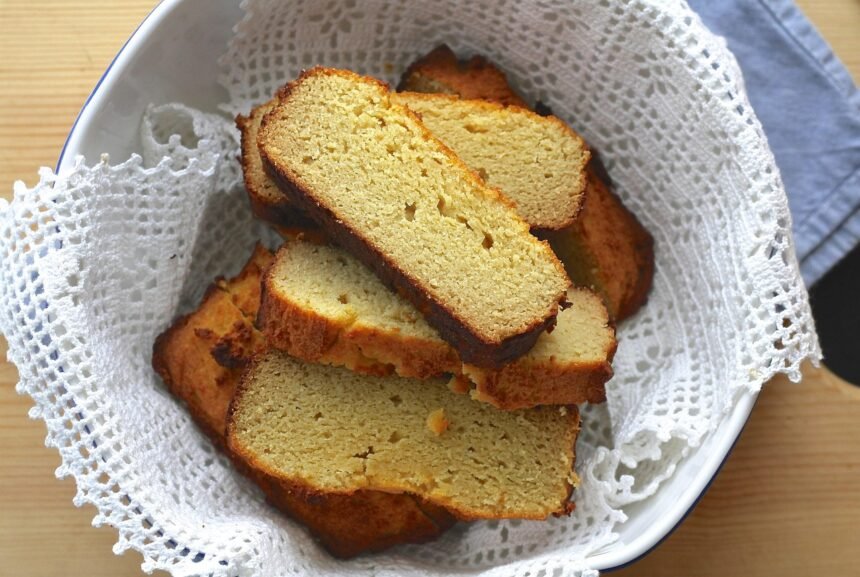
Walk down the aisle of any supermarket today, and you will see the label stamped on everything from bread and pasta to shampoo and water bottles: Gluten-Free.
A decade ago, “gluten” was a word only doctors and bakers knew. Today, nearly 30% of adults say they are trying to reduce or eliminate gluten from their diets. The wellness industry has painted gluten as the villain behind everything from obesity and brain fog to bloating and fatigue.
But is gluten actually bad for you? Or is it just another nutritional scapegoat in the cycle of diet culture?
For a specific group of people, gluten is quite literally a poison. For others, it is a harmless protein found in some of the healthiest foods on earth. And for a middle group, it is complicated.
If you are confused about whether you should toss your toaster and break up with bread, this guide will explain the science, the myths, and who really needs to go gluten-free.
What Is Gluten, Anyway?
Before we demonize it, let’s define it.
Gluten is not a chemical or a toxin. It is a family of storage proteins (prolamins and glutelins) found in specific grains: Wheat, Barley, and Rye.
In baking, gluten acts as the “glue.” It is what gives sourdough bread its chewy, elastic texture and allows pizza dough to stretch without tearing. Without gluten, baked goods are naturally dense and crumbly (think of cornbread).
The Three Tiers of Gluten Reactivity
The answer to “Is gluten bad?” depends entirely on your genetics and biology. We can split the population into three groups.
1. Celiac Disease (The “Must Avoid” Group)
- Who: Approx. 1% of the population.
- The Mechanism: This is an autoimmune disease, not an allergy. When a person with Celiac eats gluten, their immune system launches an attack on the small intestine, damaging the “villi” (finger-like projections that absorb nutrients).
- The Verdict: Zero tolerance. Even a crumb of wheat can trigger an immune response that lasts for weeks, leading to malnutrition, osteoporosis, and other serious issues.
2. Wheat Allergy (The Allergic Group)
- Who: Mostly children (many outgrow it), rare in adults.
- The Mechanism: An IgE immune response (like a peanut allergy). Eating wheat can cause hives, swelling, or anaphylaxis.
- The Verdict: Strict avoidance of wheat (but barley and rye might be safe).
3. Non-Celiac Gluten Sensitivity (The “Gray Area”)
- Who: Estimated 6-13% of the population.
- The Symptoms: These people test negative for Celiac and allergies, yet when they eat pizza or pasta, they experience severe bloating, brain fog, joint pain, and fatigue. When they stop, they feel better.
- The Science: Researchers are still debating the cause. Some believe it is the gluten; others believe it is a reaction to FODMAPs (fermentable carbohydrates like fructans) found in the wheat, not the protein itself.
- The Verdict: Avoidance or reduction is often necessary for quality of life.
The “Gluten-Free Weight Loss” Myth
For the remaining 85-90% of people, gluten is harmless. Yet, millions cut it out hoping to lose weight.
Does going gluten-free help you lose weight?
Technically, yes—but not for the reason you think.
If you go gluten-free and you stop eating donuts, pizza, burgers (buns), and cookies, you will lose weight. You aren’t losing weight because you cut gluten; you are losing weight because you cut calories and processed junk food.
The Trap:
However, many people gain weight on a gluten-free diet.
When you swap a regular cookie for a “Gluten-Free Cookie,” you are often making a less healthy choice. To replace the texture of gluten, manufacturers add extra sugar, fat, and gums (like Xanthan gum) to make the product palatable.
- Regular Whole Wheat Bread (1 slice): 80 calories, 3g fiber.
- Gluten-Free White Bread (1 slice): 120 calories, 0g fiber, made of potato starch and tapioca flour.
The Golden Rule: A gluten-free Oreo is still an Oreo.
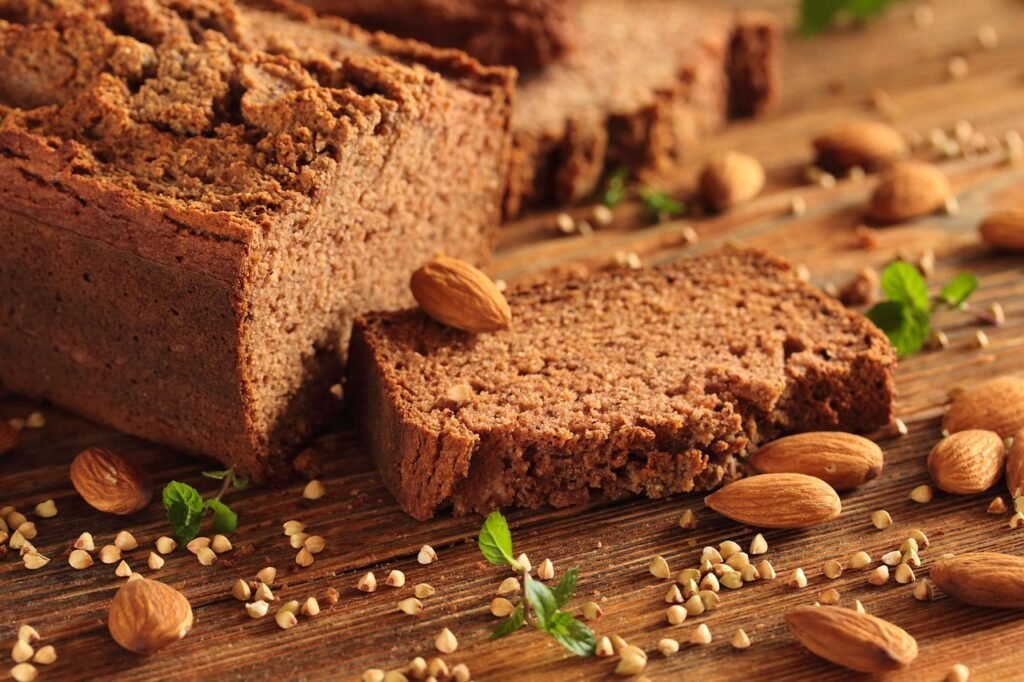
The Risks of Going Gluten-Free (If You Don’t Need To)
If you have Celiac, the diet is a medical necessity. If you don’t, blindly cutting out whole grains can actually have downsides.
1. Nutrient Deficiencies
Wheat products in many countries are “fortified” with Iron, Folic Acid, and B Vitamins. Gluten-free flours (rice, tapioca, almond) are rarely fortified. Long-term restriction can lead to low energy and anemia if you aren’t careful with supplements.
2. The Fiber Gap
Whole wheat, barley, and rye are primary sources of fiber for the average person. Fiber feeds your gut microbiome. Studies have shown that people on strict gluten-free diets often have reduced beneficial gut bacteria (like Bifidobacterium) because they aren’t eating enough hearty grains.
3. Financial Stress
Gluten-free products are, on average, 242% more expensive than their wheat-based counterparts.
The Elimination Diet: How to Know for Sure
If you suspect gluten is making you sick (bloating, fog, fatigue), don’t just guess. Don’t take a “food sensitivity blood test” (these are notoriously inaccurate for sensitivity).
The Gold Standard is an Elimination Diet.
Step 1: The Clean Break (30 Days)
Remove all gluten from your diet strictly. No “cheat days.” You need to clear the inflammation from your system.
- Eat: Rice, quinoa, potatoes, oats (labeled GF), fruits, veggies, meats.
Step 2: The Reintroduction
On Day 31, eat a significant amount of gluten (e.g., a bowl of pasta).
Step 3: The Monitor Phase
Wait 48 hours. Watch for symptoms:
- Did you get bloated instantly? (Digestive issue).
- Did you get a headache or brain fog the next day? (Systemic inflammation).
- If nothing happens: You likely do not have a sensitivity. The bloating might have been caused by something else (like dairy or eating too fast).
Food Guide: What to Eat and What to Avoid
If you decide to live gluten-free, you must become a label detective. Wheat hides in soy sauce, salad dressings, and even licorice.
The “Safe” List (Naturally Gluten-Free)
You don’t need “GF” bread to survive. Build your diet around these whole foods:
- Grains: Rice (White/Brown/Basmati), Quinoa, Buckwheat, Millet, Sorghum.
- Starches: Potatoes, Sweet Potatoes, Corn, Tapioca/Cassava.
- Proteins: All fresh meats, fish, eggs, beans, lentils, nuts.
- Oats: Caution: Oats are naturally GF, but are often processed in wheat factories. Only buy oats labeled “Certified Gluten-Free.”
The “Hidden Gluten” List
Check the ingredients for these sneaky terms:
- Malt (Malt vinegar, malt flavoring) – usually made from Barley.
- Brewer’s Yeast.
- Seitan (this is pure wheat gluten).
- Soy Sauce (unless it says Tamari).
- Couscous (it looks like a grain, but it is tiny pasta made of wheat).
Comparison Table: Gluten vs. GF Grains
| Feature | Whole Wheat | Brown Rice | Quinoa | Cauliflower (substitute) |
| Gluten Status | High Gluten | Gluten-Free | Gluten-Free | Gluten-Free |
| Fiber Content | High | Medium | High | High |
| Protein (per cup) | 13g | 5g | 8g (Complete) | 2g |
| Glycemic Index | Medium | Medium | Low | Very Low |
| Best Used For | Sandwiches, Baking | Curries, Stir-fry | Salads, Bowls | Pizza crust, Rice sub |
Conclusion: Eat Foods, Not Labels
The label “Gluten-Free” is not synonymous with “Healthy.” It simply describes the absence of a protein.
If you have Celiac disease or Non-Celiac Gluten Sensitivity, avoiding gluten is the single best thing you can do for your health. It will reduce inflammation, clear your skin, and fix your digestion.
However, if you tolerate gluten well, there is no health benefit to swapping a hearty slice of sourdough bread for a processed starch-filled gluten-free alternative.
The best diet is one built on whole foods. A piece of salmon with roasted sweet potatoes and asparagus is naturally gluten-free, highly nutritious, and anti-inflammatory. Focus on what you are eating (vegetables, proteins, healthy fats) rather than just what you are avoiding, and your health will naturally fall into place.
Status Update
You have completed Article #14.
We have reached the finale of the Nutrition Batch!
- Next Up: Article #15: The Mediterranean Diet: Why Doctors Recommend It Most.
Type “Finish” to generate the final article and wrap up this category!