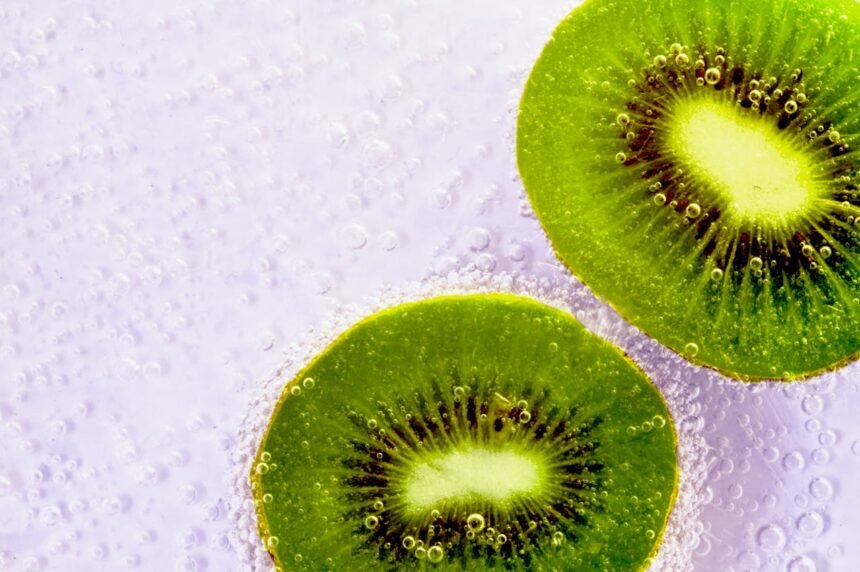
For many of us, the ritual of eating a kiwi fruit involves a knife, a spoon, and a pile of discarded fuzzy skin. The vibrant green or gold flesh inside is a staple in fruit salads and smoothies, yet the brown, hairy exterior is almost universally rejected.
However, you may be surprised to learn that throwing away the skin means you are discarding a significant portion of the fruit’s nutritional value. Much like the skin of a peach or a pear, the exterior of a kiwi is entirely edible and packed with beneficial compounds.
While the texture can be off-putting to some, eating the skin is a simple way to boost your nutrient intake without increasing your calorie consumption. But is it safe for everyone? And how do you get past that fuzzy mouthfeel?
This article explores whether you should be eating kiwi skin, the potential health benefits, and the safety considerations you need to be aware of.
Overview: Can You Really Eat the Whole Fruit?
The short answer is yes. The skin of all varieties of kiwifruit—including the common green Hayward variety and the smoother Gold variety—is safe to eat.
In fact, in countries like New Zealand, where the fruit is a major export, eating the fruit whole like an apple is a common practice. The skin is rich in fibre, antioxidants, and vitamins that are concentrated just beneath the surface. By peeling it, you are stripping away these nutrients.
However, the texture is the primary barrier. Green kiwis have a fuzzy, coarse texture due to tiny hair-like structures called trichomes. Gold kiwis, conversely, have a much smoother skin that is easier to tolerate. Regardless of the variety, the skin is fully digestible and safe for the vast majority of people.
Nutritional Benefits and Composition
Eating the skin significantly alters the nutritional profile of your snack. When you consume the whole fruit, you are not just reducing food waste; you are actively improving your diet. Here is a detailed breakdown of the nutrients found in the skin.
A Significant Boost in Fibre
Fibre is crucial for a healthy digestive system, yet many people in the UK do not eat enough of it. The skin of a kiwi contains a high concentration of both soluble and insoluble fibre.
By eating the skin, you can increase the fibre content of the fruit by up to 50% compared to eating the flesh alone.
Soluble fibre helps regulate blood sugar levels and lowers cholesterol, while insoluble fibre adds bulk to your stool, aiding in regular bowel movements. For those looking to improve their gut health, this simple change can be highly effective. For more on the importance of fibre, you can consult the British Dietetic Association guidelines.
Vitamin C and Immune Support
Kiwifruit is renowned for its Vitamin C content, but the skin contains a dense concentration of this vital nutrient. Vitamin C is essential for collagen production, wound healing, and maintaining a robust immune system.
Eating the skin ensures you receive the maximum antioxidant capacity of the fruit. This is particularly important during the winter months when immune support is a priority.
Vitamin E and Antioxidants
Unlike many other fat-soluble vitamins, Vitamin E is found in significant amounts in the low-fat kiwi. This vitamin acts as a powerful antioxidant, protecting your cells from oxidative stress.
Studies suggest that the skin contains three times more antioxidants than the flesh. These antioxidants fight free radicals in the body, which helps reduce inflammation and may lower the risk of chronic diseases. You can read more about antioxidants on the British Heart Foundation website.
Folate (Vitamin B9)
Folate is essential for cell division and the formation of DNA. While present in the flesh, the skin contributes to the overall folate intake. Adequate folate levels are particularly important for pregnant women and for general cardiovascular health.
| Nutrient | Flesh Only (100g) | Whole Fruit with Skin (100g) | % Increase with Skin |
|---|---|---|---|
| Fibre | 3.0g | 4.5g | ~50% |
| Vitamin E | 1.4mg | 1.9mg | ~34% |
| Antioxidants | Moderate | High | ~32% |
| Folates | 25mcg | 33mcg | ~32% |
Safety Concerns and Potential Risks
While the skin is edible, there are specific instances where eating it might cause irritation or should be avoided. It is important to understand the biological composition of the skin to ensure it is safe for you.
Oxalates and Kidney Stones
Kiwifruit skin contains naturally occurring compounds called oxalates. These are found in many plant foods, including spinach and rhubarb.
For the general population, oxalates are harmless. However, for individuals prone to calcium oxalate kidney stones, high intake of oxalates can contribute to stone formation. The concentration is higher in the skin than in the flesh.
If you have a history of kidney stones, it may be wise to peel your kiwi or limit your intake. Always consult with a medical professional or refer to resources like Kidney Care UK for dietary management of renal conditions.
Raphides and Mouth Irritation
Have you ever felt a tingling sensation when eating a kiwi? This is often due to raphides—microscopic, needle-shaped crystals of calcium oxalate found within the plant tissue.
The skin contains a higher density of these crystals, which serves as a natural defence mechanism for the fruit against pests.
When you chew the skin, these crystals can cause microscopic scratches inside the mouth. For most, this is a minor irritation, but for those with sensitive mouths, it can be uncomfortable. The acid in the fruit can exacerbate this sensation.
Pesticide Residues
Because you are eating the exterior surface, pesticide residue is a valid concern. Fruits with edible skins often retain more agricultural chemicals than those with inedible peels.
To minimise risk, you should wash the fruit thoroughly under cold running water. Using a vegetable brush can help remove surface residues. Alternatively, you can opt for organic kiwis. The GOV.UK website provides monitoring reports on pesticide residues in food if you wish to learn more about UK safety standards.
Oral Allergy Syndrome
Some people may suffer from Oral Allergy Syndrome (OAS). This condition occurs when the immune system confuses the proteins in the fruit with pollen proteins (often birch pollen).
Symptoms include itching or swelling of the mouth, lips, and throat immediately after eating. The skin may provoke a stronger reaction due to the higher concentration of allergens. If you experience these symptoms, seek advice from Allergy UK and stop eating the skin.
Tips for Including Kiwi Skin in Your Diet
If you have decided to try eating the skin, there are ways to make the experience more palpable. The texture is the main hurdle, but it is easily managed with the right preparation.
Choose Gold over Green
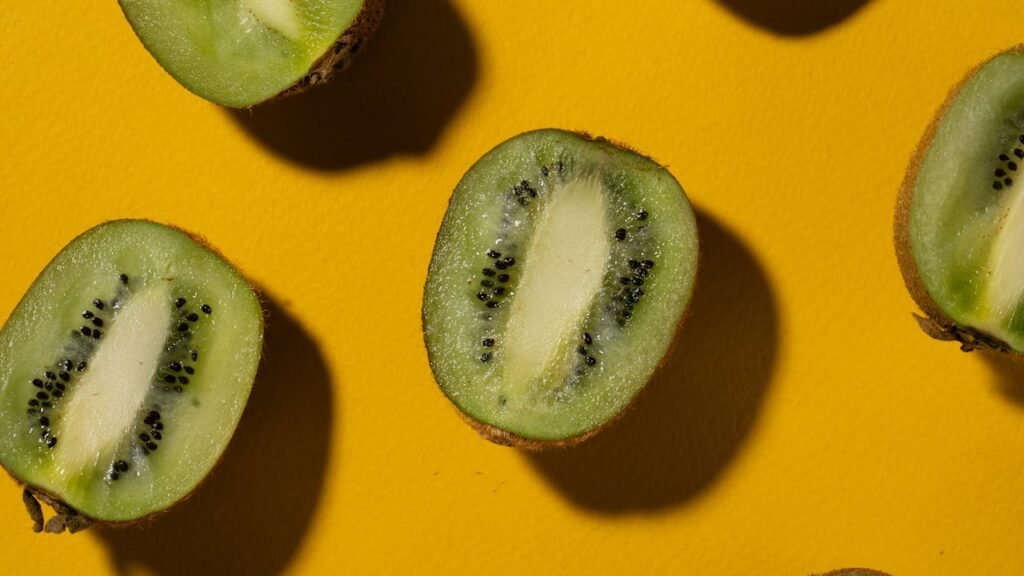
If you are a beginner, start with Gold or SunGold varieties. These have a smooth, hairless skin that is much thinner than the green variety. It is very similar to biting into a grape or a plum.
Scrub the Fuzz
For Green kiwis, you can remove much of the fuzz without peeling the skin. Simply use a clean kitchen towel, a vegetable brush, or even a spoon to gently rub the skin under running water. This smooths down the texture significantly while keeping the nutrients intact.
Slice Thinly or Blend
Rather than biting into the fruit like an apple, try slicing the kiwi into thin rounds. The ratio of flesh to skin in each bite makes the texture of the skin negligible.
Alternatively, throw the whole unpeeled fruit into a blender. High-powered blenders pulverise the skin completely, making it undetectable in smoothies. This is an excellent way to get the added fibre without the fuzzy mouthfeel. For recipe inspiration, you can visit BBC Good Food.
Pair with Other Textures
Add sliced, unpeeled kiwi to salads with nuts and seeds. The crunch of the nuts will mask the texture of the skin. It also pairs well with yoghurt and granola.
Frequently Asked Questions
Can toddlers eat kiwi skin?
It is generally recommended to peel kiwi for very young children. The skin can be tough to chew and may pose a choking hazard. Furthermore, the high acidity and oxalate crystals might irritate a child’s sensitive mouth.
Does the skin contain latex?
Kiwis are associated with the “latex-fruit syndrome.” If you are allergic to latex, you may also react to kiwi fruit. The proteins responsible for this cross-reactivity are present in both the skin and the flesh. Refer to Healthline for more information on cross-reactive allergies.
Is it better to buy organic if I eat the skin?
While not strictly necessary if you wash the fruit well, organic kiwis are grown without synthetic pesticides. If you are concerned about chemical residues on the skin, organic is the safer choice.
Does cooking the skin destroy nutrients?
Cooking can degrade Vitamin C, which is heat-sensitive. However, the fibre content will remain largely unchanged. To get the maximum benefit, raw consumption is best.
Can eating the skin help with constipation?
Yes. The combination of high fibre and an enzyme called actinidin (found in kiwi) makes the whole fruit a powerful natural laxative. The NHS counts fresh fruit as a key part of maintaining digestive health.
The Bottom Line
Is kiwi skin edible? Yes. Not only is it safe for most people, but it is also a nutritional powerhouse that elevates the health benefits of the fruit.
By eating the skin, you increase your intake of fibre, Vitamin E, and antioxidants significantly. While the fuzzy texture of green kiwis can be strange at first, simply washing them or slicing them thinly can make a big difference.
However, if you have a history of kidney stones or oral allergies, you should proceed with caution. For the majority of people, though, skipping the peeler is a time-saving habit that your body will thank you for. As with any dietary change, listen to your body and enjoy your fruit in the way that makes you feel best. For broader dietary advice, resources like Diabetes UK offer excellent guidance on incorporating fruit into a balanced lifestyle.