If you follow any wellness influencers on social media, you have almost certainly seen the morning ritual of drinking hot lemon water. It is frequently touted as a miraculous elixir capable of melting fat, boosting metabolism, and detoxifying the body instantly.
However, when it comes to sustainable weight management, it is crucial to separate anecdotal hype from scientific reality. We all want a simple solution to the complex problem of weight loss, but does squeezing a bit of citrus into your morning mug actually make a difference on the scale?
The short answer is: potentially, but perhaps not for the reasons you think.
Lemon water can be a healthful tool in your dietary arsenal, yet it is not a magic wand. Understanding the biological mechanisms at play can help you utilise this drink effectively without falling prey to unrealistic expectations.
Here, we explore the science behind lemon water and weight loss, separating the myths from the metabolic facts.
What Is Lemon Water?
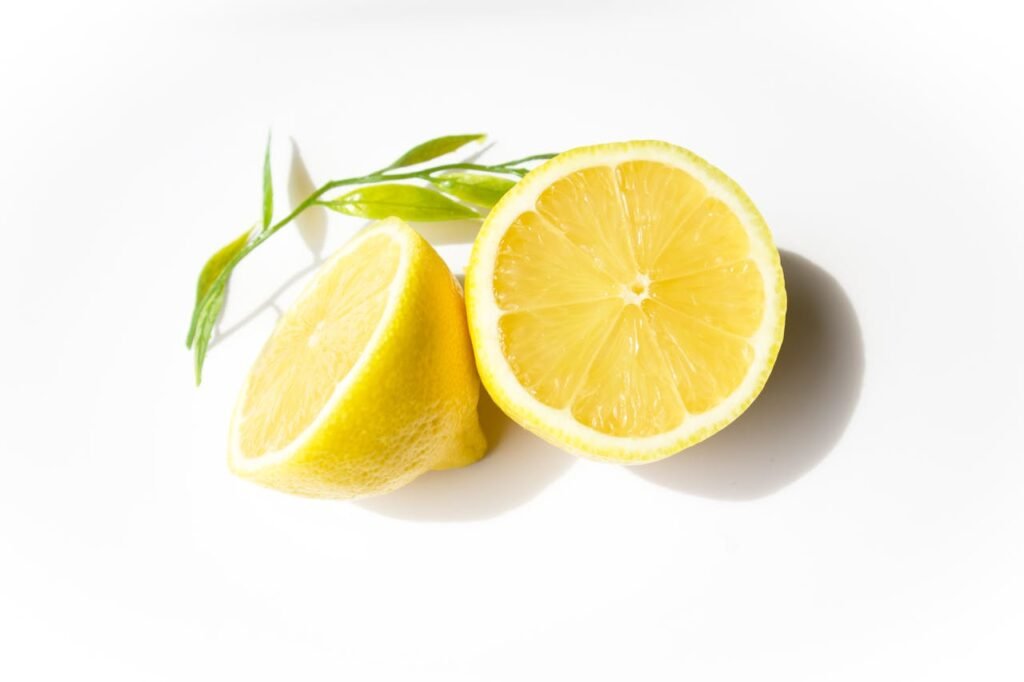
At its core, lemon water is exactly what it sounds like: water mixed with the juice of fresh lemons. It can be served hot or cold, and the amount of lemon used depends entirely on personal preference.
Some people choose to add lemon rind, mint leaf, honey, or turmeric to enhance the flavour profile or potential health benefits. However, the primary components remain water and lemon juice.
From a nutritional perspective, lemons are a rich source of Vitamin C and antioxidants. According to the NHS information on Vitamin C, this vitamin is essential for maintaining healthy cells, skin, and bones.
A single glass of lemon water usually contains:
- Calories: Less than 10 calories
- Sugar: Less than 1 gram
- Vitamin C: Approx. 20-25% of your RDI
- Folate and Potassium: Small trace amounts
Because it is incredibly low in calories, it serves as an excellent alternative to higher-calorie beverages like sugary sodas or fruit juices, which often contribute to weight gain.
The Science: How Lemon Water Affects Weight Loss
While lemons contain nutrients, the primary weight loss benefits of lemon water are likely attributed to the water itself, rather than the lemon specifically.
However, the palatable nature of lemon makes it easier for many people to consume the necessary volume of fluid required for optimal metabolic function. Here is a breakdown of the specific mechanisms involved.
1. Promoting Hydration and Lipolysis
Hydration is critical for lipolysis, the process by which the body breaks down fat for energy. If you are dehydrated, your body cannot metabolise stored fat as efficiently.
The British Nutrition Foundation on healthy hydration emphasises that water is the healthiest choice for quenching thirst. By adding lemon, many individuals find water more enjoyable, leading to increased overall fluid intake.
When you are adequately hydrated, your mitochondria (the powerhouses of your cells) function more effectively, ensuring your metabolism is working at its optimal pace.
2. Boosting Metabolism via Thermogenesis
There is evidence to suggest that drinking water can temporarily increase the number of calories you burn. This is known as resting energy expenditure.
Some research, including evidence regarding water-induced thermogenesis, indicates that drinking 500ml of water can increase metabolic rate by up to 30% for about an hour.
This effect is largely due to the body expending energy to heat the water to body temperature. While the lemon itself does not trigger this burn, it facilitates the consumption of the water required to induce it.
3. Increasing Satiety and Reducing Calorie Intake
One of the most effective ways lemon water supports weight loss is by promoting fullness.
A study on water consumption before meals demonstrated that middle-aged and older adults who drank water before breakfast ate approximately 13% fewer calories during the meal.
This creates a calorie deficit without the psychological feeling of deprivation. If you swap a morning latte or a glass of orange juice for lemon water, you could be saving anywhere from 100 to 200 calories per day. Over the course of a year, this small switch can result in significant weight loss.
For practical dietary advice, the GOV.UK Eatwell Guide suggests drinking 6 to 8 cups or glasses of fluid a day, with water, lower-fat milk and sugar-free drinks, including tea and coffee, all counting.
4. Low-Calorie Replacement Strategy
Replacing high-calorie beverages is arguably the most tangible benefit.
Sugary drinks like soda, sweetened iced teas, and sports drinks are calorie-dense but offer little satiety. According to BBC Good Food on sugar intake, cutting down on free sugars is a priority for health and weight control.
Lemon water provides the sensory satisfaction of a flavoured drink without the insulin spike associated with sugar.
Comparison: Lemon Water vs. Other Drinks
To understand why this swap is effective, look at the nutritional comparison below. This highlights the stark difference in calorie and sugar content.
| Beverage Type (250ml) | Calories (kcal) | Sugar (g) | Vitamin C | Hydration Factor |
|---|---|---|---|---|
| Lemon Water | < 10 | < 1 | Medium | High |
| Orange Juice | 110 | 20-25 | High | Medium |
| Cola / Soda | 105 | 26 | None | Low |
| Sweetened Iced Tea | 90 | 22 | Low | Medium |
| Plain Water | 0 | 0 | None | High |
As the data indicates, lemon water sits in a sweet spot (figuratively speaking). It offers the hydration of water with a nutrient boost, avoiding the empty calories of other common beverages.
Actionable Tips for Your Routine
If you want to integrate lemon water into your life to support your weight loss goals, consistency is key. Here are some evidence-based tips to get the most out of it.
Drink It First Thing in the Morning
After sleeping for eight hours, your body is naturally dehydrated. Starting the day with a large glass of lemon water rehydrates your system immediately.
Many people confuse thirst with hunger. By drinking first, you ensure that your appetite signals are accurate before you reach for breakfast.
Temperature Matters (Slightly)
While some claim hot water is better for digestion and ice water is better for burning calories, the difference is negligible in the grand scheme of weight loss.
Choose the temperature that encourages you to drink more. If you prefer a warm, soothing drink on a rainy British morning, go for hot water. If you have just finished a workout, ice water might be more refreshing.
Add Variety to Prevent Boredom
To keep the habit sustainable, consider adding other natural ingredients:
- Cucumber: Adds a fresh flavour and reduces puffiness.
- Mint: Can help soothe digestion.
- Ginger: Known to have thermogenic properties and aid digestion.
- Turmeric: Provides anti-inflammatory benefits.
For more ideas on healthy fluid intake, you can consult the NHS guide on water, drinks and your health, which offers comprehensive advice on staying hydrated.
Potential Side Effects and Safety
While lemon water is generally safe, it is acidic. Over time, the citric acid can erode tooth enamel, making teeth more sensitive and prone to cavities.
The Oral Health Foundation on dental erosion recommends drinking acidic drinks through a straw to bypass the teeth and rinsing your mouth with plain water afterwards.
Additionally, for those who suffer from heartburn or acid reflux (GERD), citrus can be a trigger. If you notice symptoms worsening, you may need to reduce the amount of lemon juice or switch to plain water.
Frequently Asked Questions
Does lemon water burn belly fat specifically?
No food or drink can target fat loss in one specific area of the body. “Spot reduction” is a myth. However, by helping to create an overall calorie deficit, lemon water contributes to total body fat loss, which will eventually include belly fat.
How much lemon water should I drink a day?
There is no strict rule, but one to two glasses a day is a good target. It should supplement your plain water intake, not necessarily replace it entirely.
Is bottled lemon juice as good as fresh?
Fresh lemons are always preferable as they contain natural enzymes and higher levels of Vitamin C. Bottled juices often contain preservatives like sulphites, which some people may be sensitive to.
Does lemon water detox your liver?
Your liver is your body’s natural detoxifier. While hydration is essential for the liver to function, the idea that lemon water performs a “flush” is not scientifically supported. It supports the organ, but it does not drive the detox process itself. For more on managing general health and diet, Diabetes UK on managing weight offers robust, science-backed advice.
Can I add honey or maple syrup?
You can, but be aware that you are adding sugar and calories. If your goal is weight loss, it is best to keep it unsweetened or use a zero-calorie natural sweetener like stevia if absolutely necessary.
Why do I feel more energetic after drinking it?
This is likely due to rehydration. Even mild dehydration can cause fatigue, brain fog, and low mood. Rehydrating perks you up physically and mentally. You can read more about this in Healthline’s overview of lemon water benefits.
The Bottom Line
Is lemon water a miracle cure for obesity? No.
Is it a healthy, low-calorie, and hydrating beverage that can support a weight loss plan? Absolutely.
The science suggests that the primary mechanism for weight loss is hydration and the displacement of high-calorie drinks. By swapping a sugary soda or latte for lemon water, you reduce your daily calorie intake while providing your body with the fluid it needs to metabolise fat efficiently.
Furthermore, the ritual of starting your day with a health-conscious decision can have a positive psychological “ripple effect,” encouraging you to make better food choices throughout the rest of the day.
Ultimately, sustainable weight loss comes from a holistic approach involving diet, activity, and sleep.
If you are concerned about your weight or diet, resources like Cancer Research UK provide excellent guidance on the links between obesity and long-term health.
So, slice up a lemon, fill your glass, and drink to your health—just do not forget to rinse your mouth afterwards to protect that enamel.