Living with diabetes often requires a complete overhaul of how you view food. It is no longer just about satisfying hunger or cravings; it becomes a calculated decision about blood sugar management.
Fruit, in particular, often sits in a grey area for many people newly diagnosed with the condition. While we know fruit is packed with essential vitamins and minerals, the natural sugars they contain can be a source of anxiety.
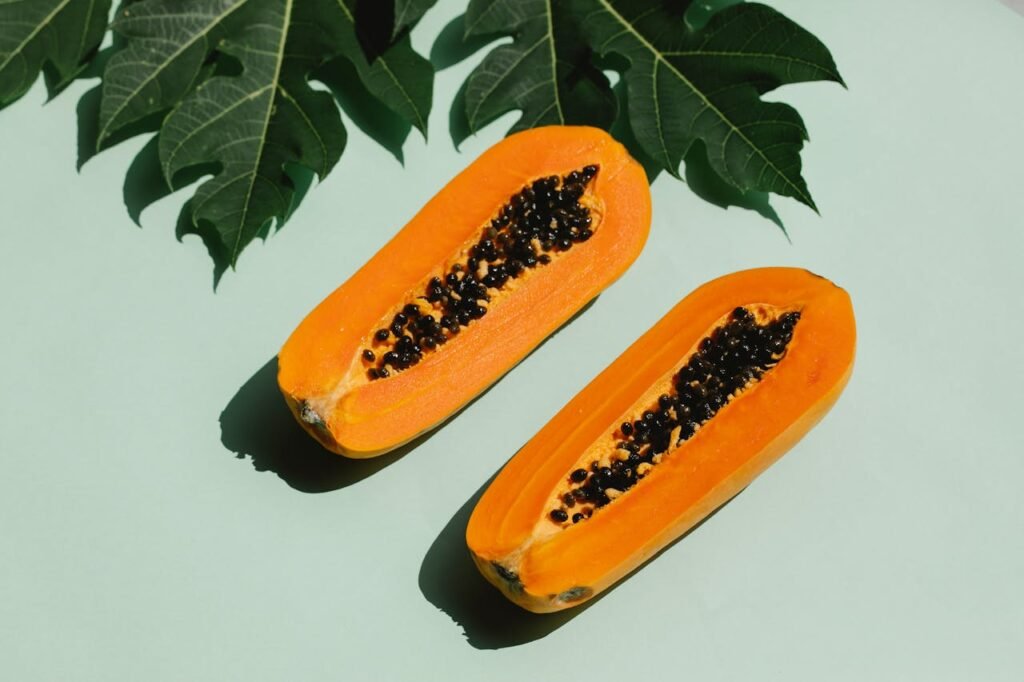
Papaya, with its vibrant orange colour and sweet, tropical flavour, is a favourite for many. However, its sweetness often leads to the question: is it safe for someone monitoring their glucose levels?
The answer is generally yes, but with some important caveats regarding portion size and preparation.
This article explores the nutritional profile of papaya, its glycaemic index, and how you can safely incorporate this delicious fruit into a diabetes-friendly diet.
What Is Papaya? A Nutritional Overview
Papaya is a tropical fruit native to Central America but is now grown in many warm climates around the world. It is celebrated not just for its taste, but for its impressive nutrient density.
For someone managing diabetes, nutrient density is key. You want foods that provide high value without causing drastic spikes in blood sugar.
According to the NHS, eating a balanced diet that includes fruit and vegetables is vital for managing blood sugar levels and reducing the risk of complications. Papaya fits well into this category when eaten in moderation.
Key Nutrients in Papaya
One medium papaya (approximately 275 grams) contains a wealth of nutrients:
- Vitamin C: A powerful antioxidant that boosts immune function.
- Vitamin A: Essential for eye health.
- Folate (Vitamin B9): Important for cell function.
- Potassium: Helps manage blood pressure.
- Fibre: Crucial for digestive health and blood sugar control.
Perhaps the most significant component for diabetics is the fibre content. Fibre helps to slow down the absorption of sugar into the bloodstream, preventing the rapid spikes associated with fruit juices or processed sweets.
Glycaemic Index and Glycaemic Load
To understand how papaya affects diabetes, we must look at the Glycaemic Index (GI) and Glycaemic Load (GL).
The GI is a ranking of carbohydrates in foods according to how they affect blood glucose levels. Foods with a low GI value (55 or less) are more slowly digested, absorbed, and metabolised.
Healthline provides a comprehensive guide to the glycaemic index, noting that low-GI foods cause a lower and slower rise in blood glucose and, therefore, usually, insulin levels.
Where Does Papaya Rank?
Papaya typically has a GI score of around 60. This places it in the medium GI category.
However, GI does not tell the whole story. You must also consider the Glycaemic Load (GL), which accounts for the portion size and the amount of carbohydrate in that portion.
Because papaya has a high water content, a typical serving size has a low amount of carbohydrates. Therefore, the GL of papaya is generally considered low.
According to data from Harvard Health, focusing on the glycaemic load can often be a more accurate way to predict how a specific food will impact your blood sugar in a real-world setting.
Potential Benefits for Diabetes Management
Beyond simply being safe to eat, papaya may offer specific benefits that support overall health for people with diabetes.
1. Rich in Antioxidants
Diabetes is a condition often associated with oxidative stress and inflammation. Papaya is rich in antioxidants, particularly lycopene and vitamin C.
Research highlighted by Medical News Today suggests that diets high in antioxidants may help reduce the risk of heart disease, which is a common complication for diabetics.
These antioxidants work to neutralise harmful free radicals in the body, potentially protecting the heart and blood vessels.
2. Digestive Health
Papaya contains an enzyme called papain, which aids in digestion. Good digestion is essential for metabolic health.
Furthermore, the fibre in papaya promotes regular bowel movements. A healthy gut microbiome is increasingly linked to better blood sugar regulation.
Advice from Mayo Clinic emphasises that a high-fibre diet can help control blood sugar levels and lower cholesterol levels.
3. Weight Management
Obesity is a major risk factor for Type 2 diabetes. Because papaya is low in calories and high in water and fibre, it promotes satiety.
Feeling full for longer can prevent overeating and snacking on less healthy options, aiding in weight maintenance or weight loss efforts.
Resources from Diabetes UK suggest that managing your weight is one of the most effective ways to manage your condition, and low-calorie fruits play a massive role in this.
Comparison of Common Fruits
To help you visualise where papaya stands, here is a comparison of papaya against other common fruits regarding their sugar and fibre content per 100g.
| Fruit (100g) | Sugar (g) | Fibre (g) | Glycaemic Index (Approx) |
|---|---|---|---|
| Papaya | 7.8 | 1.7 | 60 (Medium) |
| Apple (with skin) | 10.0 | 2.4 | 36 (Low) |
| Banana (Ripe) | 12.0 | 2.6 | 51 (Low) |
| Watermelon | 6.0 | 0.4 | 76 (High) |
| Strawberries | 4.9 | 2.0 | 41 (Low) |
Note: Values are approximate and can vary based on ripeness and variety.
Actionable Steps: How to Eat Papaya Safely
If you want to add papaya to your diet, it is important to do so strategically. Here is a breakdown of how to enjoy it without compromising your glucose levels.
Portion Control is Critical
Even though papaya has a low glycaemic load, eating an excessive amount can still raise your blood sugar.
- Stick to one cup: A serving size of diced papaya (about 150 grams) is generally safe.
- Avoid dried papaya: Dried fruit often contains added sugar and is much denser in carbohydrates.
According to the CDC, using the “plate method” helps manage portions, ensuring fruit only takes up a small section of your meal.
Pair with Protein and Healthy Fats
Never eat carbohydrates in isolation if you are struggling with spikes. Pairing fruit with protein or fat slows down digestion.
- Try Greek Yoghurt: Add diced papaya to a bowl of unsweetened Greek yoghurt.
- Add Nuts: A handful of walnuts or almonds alongside your fruit provides healthy fats.
- Cottage Cheese: This is a classic, high-protein pairing that balances the sweetness of the fruit.
Choose the Right Ripeness
Did you know that the ripeness of fruit affects its sugar availability? As a papaya ripens, its starch converts to sugar.
- Ripe (Orange): Sweeter, higher GI. Eat in moderation.
- Unripe (Green): Lower sugar content, crunchy texture. Often used in savoury salads.
In many Asian cuisines, green papaya salad is a staple. It offers the fibre benefits with a much lower sugar impact.
GOV.UK provides the Eatwell Guide, which encourages variety in fruit and vegetable intake, and trying green papaya is an excellent way to diversify.
Monitor Your Response
Every body reacts differently. What spikes one person’s blood sugar might not affect another.
Use your glucose monitor. Check your levels before eating papaya and two hours after.
If you see a spike above your target range, you may need to reduce the portion size or pair it with more protein next time.
Potential Risks and Considerations
While generally safe, there are a few factors to keep in mind.
Fermented Papaya Preparation
Some people use fermented papaya supplements. While some studies, such as those indexed on PubMed, suggest potential benefits for oxidative stress, you should consult your doctor before adding supplements to your regimen.
Latex Allergies
Papaya contains enzymes that are similar to latex proteins. If you have a latex allergy, you may also have an allergic reaction to papaya.
Interaction with Medication
If you are on medication to lower blood sugar, adding significant amounts of fruit could theoretically lead to hypoglycaemia if not balanced with the rest of your diet, though this is rare with whole fruit.
The British Heart Foundation reminds us that while fruit sugar is natural, it still counts towards your total carbohydrate intake for the day.
Frequently Asked Questions
Can I eat papaya daily if I have diabetes?
Yes, provided you stick to the recommended portion sizes (one cup) and account for the carbohydrates in your overall meal plan.
Is green papaya better than ripe papaya for diabetics?
Generally, yes. Green papaya has less sugar than fully ripe papaya. However, it has a very different taste and texture and is usually eaten cooked or in salads.
Does papaya interact with Metformin?
There are no known severe interactions between papaya fruit and Metformin. However, always consult your healthcare provider regarding diet changes.
Is papaya juice safe?
It is best to avoid papaya juice. Juicing removes the fibre, which causes the sugar to enter your bloodstream much faster. Stick to the whole fruit.
For more detailed guidance on fruit juice and diabetes, refer to resources from Diabetes UK.
The Bottom Line
Papaya can be a healthy, delicious addition to a diabetes-friendly diet when eaten in moderation. Its medium glycaemic index is balanced by a low glycaemic load, meaning standard portion sizes are unlikely to cause dangerous spikes in blood sugar.
The fruit is packed with antioxidants, vitamins, and fibre, which support heart health and digestion—both critical for people managing diabetes.
Remember to prioritise whole fruit over juice, watch your portion sizes, and pair your papaya with a source of protein or healthy fat to ensure stable energy levels.
Always monitor your own blood sugar response, as individual tolerance varies. If you are unsure, speak to your dietitian or GP for personalised advice.