Finding the right foods to support your cardiovascular system can often feel like a daunting task. With so much conflicting advice regarding diets and supplements, it is easy to feel overwhelmed when trying to make the best choices for your long-term health.
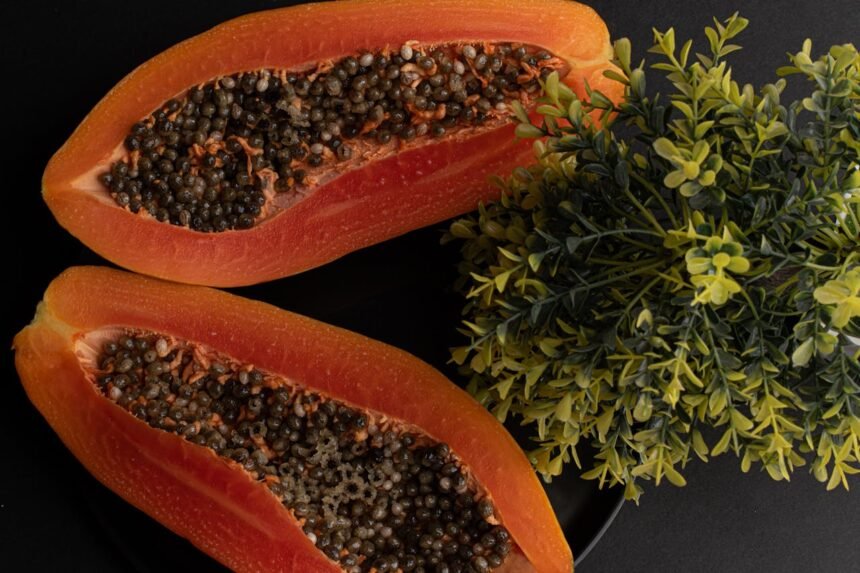
However, nature often provides the most effective solutions in the simplest forms. The papaya, with its vibrant orange flesh and sweet, tropical flavour, is more than just a delicious addition to your breakfast bowl. It is a nutritional powerhouse that may offer significant protection against heart disease.
Heart and circulatory diseases cause a quarter of all deaths in the UK, making dietary prevention a critical priority for many. According to the NHS, making specific dietary changes is one of the most effective ways to lower your risk. While we often hear about berries and leafy greens, papaya deserves a spot on your shopping list.
In this article, we explore the science behind papaya and heart health, breaking down exactly how this tropical fruit supports your cardiovascular system.
What Is Papaya?
Papaya (Carica papaya) is a tropical fruit native to Central America and Southern Mexico, though it is now grown in many tropical regions worldwide. Historically, it has been used not only for its sweet taste but also for its potential medicinal properties.
While it is famous for aiding digestion due to an enzyme called papain, its benefits extend far beyond the stomach. The fruit is loaded with essential vitamins, minerals, and antioxidants that play a distinct role in maintaining a healthy heart.
A single medium-sized papaya provides more than 200% of your daily requirement for Vitamin C. This is crucial because Vitamin C acts as a powerful antioxidant. Furthermore, papaya is a rich source of folate, Vitamin A, fibre, and magnesium.
For a broader look at the general benefits of this fruit, Healthline offers a comprehensive overview of its nutritional density. Incorporating nutrient-dense whole foods like papaya helps align your diet with the GOV.UK Eatwell Guide, which emphasises increasing fruit and vegetable intake for overall disease prevention.
The Science: How Papaya Protects Your Heart
The link between papaya and heart health is primarily driven by its high concentration of antioxidants and fibre. Research suggests several mechanisms by which this fruit supports cardiovascular function.
1. Powerful Antioxidants and Lycopene
Oxidative stress is a major contributing factor to heart disease. This occurs when there is an imbalance between free radicals (unstable molecules) and antioxidants in your body. When free radicals outnumber antioxidants, they can damage your blood vessels and heart tissue.
Papaya is exceptionally high in carotenoids, a class of antioxidants that give the fruit its orange colour. One specific carotenoid, lycopene, is particularly potent. Unlike many other fruits, the lycopene in papaya is highly bioavailable, meaning your body absorbs it easily.
Studies cited by the National Institutes of Health (PubMed) indicate that lycopene exerts a protective effect against cardiovascular disorders by reducing oxidative stress and improving the function of the endothelium (the lining of the blood vessels).
2. Fighting Inflammation
Chronic inflammation is a silent killer and a root cause of many ailments, including heart disease. If your body is constantly in a state of inflammation, arterial plaque is more likely to form and become unstable.
The combination of Vitamin C, beta-carotene, and Vitamin E in papaya helps combat systemic inflammation. Additionally, distinct research highlighted by Harvard Health suggests that an anti-inflammatory diet is essential for reducing the risk of atherosclerosis (hardening of the arteries).
3. Managing Cholesterol Levels
High levels of LDL (bad) cholesterol are a primary risk factor for heart attacks. However, it is not just the presence of LDL that is the problem; it is the oxidation of LDL cholesterol that causes it to stick to artery walls.
The antioxidants in papaya, particularly lycopene and Vitamin C, help prevent the oxidation of cholesterol. Furthermore, the high fibre content in papaya helps to actively lower cholesterol levels by binding to it in the digestive system and removing it from the body. The British Heart Foundation confirms that increasing dietary fibre is a key strategy for cholesterol management.
4. Potassium and Blood Pressure
Hypertension (high blood pressure) puts immense strain on the heart. Potassium is a mineral that helps your body regulate fluid balance and counteract the negative effects of sodium (salt).
Papaya provides a respectable amount of potassium. According to Medical News Today, increasing potassium intake can significantly lower blood pressure and reduce the risk of stroke. By replacing processed snacks with fresh papaya, you reduce sodium intake while simultaneously boosting potassium.
Nutritional Comparison Table
To understand where papaya fits into a heart-healthy diet, it is helpful to compare it with other popular fruits. The following table highlights key heart-health metrics per 100g serving.
| Nutrient | Papaya | Orange | Banana |
|---|---|---|---|
| Calories | 43 kcal | 47 kcal | 89 kcal |
| Fibre | 1.7 g | 2.4 g | 2.6 g |
| Vitamin C | 60.9 mg | 53.2 mg | 8.7 mg |
| Potassium | 182 mg | 181 mg | 358 mg |
| Lycopene | High | None | None |
| Glycaemic Index | Medium (60) | Low (40) | Low (51) |
Note: Values are approximate and can vary based on ripeness and variety.
Actionable Tips: How to Eat Papaya for Heart Health
Integrating papaya into your daily routine is simple. Here are practical ways to ensure you are getting the most out of this fruit.
Selecting the Perfect Fruit
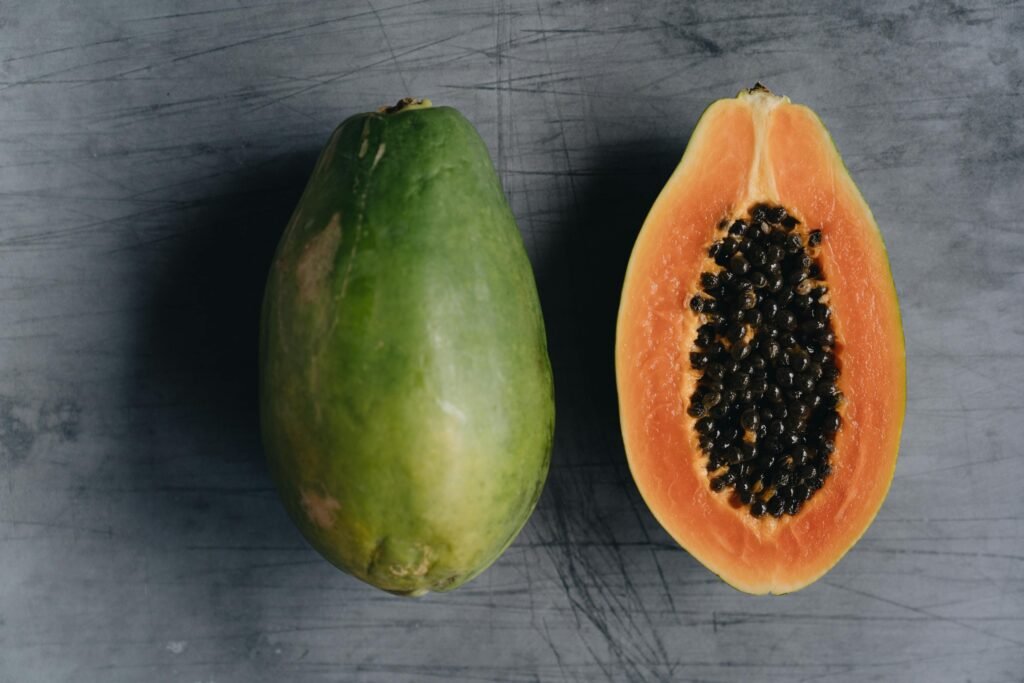
Look for papayas that are slightly soft to the touch with skin that has turned from green to yellow-orange. If the fruit is fully green, it is unripe and will be crunchy and less sweet, often used in Asian salads. For heart-healthy desserts, choose the ripe, orange version.
Preparation Methods
- The Breakfast Boat: Simply cut the papaya in half lengthways, scoop out the seeds, and squeeze fresh lime juice over the flesh. Fill the cavity with Greek yoghurt for added protein.
- Tropical Smoothie: Blend papaya chunks with banana and coconut water for a potassium-rich post-workout drink.
- Salsa Substitute: Dice papaya and mix with red onion, coriander, and chilli. This makes a fantastic, low-sodium topping for grilled fish or chicken. For more inspiration, BBC Good Food offers a variety of healthy recipes featuring this ingredient.
Don’t Toss the Seeds
Many people discard the black seeds, but they are edible and nutritious. They have a peppery flavour, similar to horseradish or wasabi. While more research is needed on their specific heart benefits, they are rich in fibre. WebMD notes that they can be dried and ground as a pepper substitute, adding a unique kick to your meals without the need for added salt.
Frequently Asked Questions
Is papaya high in sugar?
Papaya is moderately sweet but has a medium Glycaemic Index (GI). However, because it is high in fibre, the sugar is absorbed more slowly than refined sugars. It is generally considered safe for most people when eaten in moderation, but those with diabetes should monitor their portion sizes.
Can papaya interfere with medications?
Generally, papaya is safe. However, fermented papaya products or extremely high consumption might theoretically impact blood sugar levels. If you are on blood-thinning medication like warfarin, you should maintain a consistent diet. Always consult your GP or a specialist.
Is it better to eat papaya on an empty stomach?
There is no scientific evidence to suggest eating fruit on an empty stomach is significantly better for heart health than eating it with a meal. The most important factor is consistency in consuming high-fibre, antioxidant-rich foods.
Can I eat unripe papaya?
Yes, unripe (green) papaya is commonly eaten cooked or in salads (like Thai Som Tum). However, the nutritional profile changes slightly; ripe papaya is generally higher in antioxidants like beta-carotene and lycopene, which are the primary compounds linked to heart protection.
The Bottom Line
Is papaya good for your heart? The evidence points to a resounding yes. Its unique combination of lycopene, Vitamin C, potassium, and fibre creates a robust defence against cardiovascular disease.
By reducing oxidative stress, managing cholesterol, and lowering inflammation, papaya serves as a powerful functional food. However, no single food is a miracle cure. Real heart health comes from a balanced lifestyle that includes regular exercise, stress management, and a varied diet.
For a holistic approach to cardiovascular care, consider following broader guidelines such as the heart-healthy diet plans recommended by the Mayo Clinic. By making small, consistent changes—like swapping a sugary snack for a slice of fresh papaya—you are taking a proactive step towards a stronger, healthier heart.