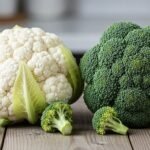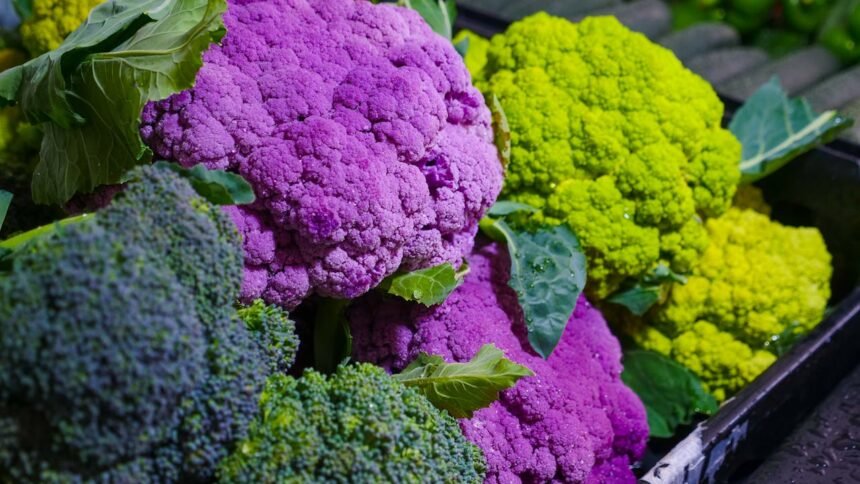
Cauliflower has surged in popularity over the last decade, transitioning from a humble side dish to a low-carb superstar capable of replacing rice, pizza crusts, and even mashed potatoes. While roasted or steamed florets are common staples in many households, questions often arise regarding the safety and nutritional value of eating raw cauliflower.
For most individuals, eating raw cauliflower is not only safe but also highly nutritious. It retains specific antioxidants and vitamins that can be diminished during the cooking process. However, for people with specific digestive sensitivities or thyroid conditions, consuming it raw may present certain challenges.
This article provides an exhaustive analysis of the benefits, safety concerns, and nutritional profile of raw cauliflower, backed by scientific evidence.
Nutritional Overview
Cauliflower (Brassica oleracea) belongs to the cruciferous vegetable family, which also includes broccoli, kale, cabbage, and Brussels sprouts. It is naturally low in calories but dense in essential vitamins.
When you consume cauliflower raw, you are getting the vegetable in its most unadulterated form. Heat can degrade water-soluble vitamins, particularly Vitamin C. Therefore, the raw profile differs slightly from its cooked counterpart.
Here is the nutritional breakdown for one cup (approximately 107 grams) of raw chopped cauliflower:
| Nutrient | Amount | % Daily Value (DV) |
|---|---|---|
| Calories | 27 | – |
| Fibre | 2 g | 7% |
| Vitamin C | 51.6 mg | 57% |
| Vitamin K | 16.6 mcg | 14% |
| Vitamin B6 | 0.2 mg | 11% |
| Folate | 61 mcg | 15% |
| Potassium | 320 mg | 7% |
| Manganese | 0.2 mg | 8% |
As the data indicates, a single serving provides over half of your daily requirement for Vitamin C, which is crucial for immune function and DNA repair. According to the USDA FoodData Central, raw cauliflower is also a hydrating food, consisting of approximately 92% water.
Health Benefits of Raw Cauliflower
Eating cauliflower raw allows you to maximise your intake of certain heat-sensitive nutrients and enzymes. Here are the primary evidence-based benefits.
1. Superior Vitamin C Retention
Vitamin C is a water-soluble vitamin that acts as a powerful antioxidant in the body. Unfortunately, it is highly sensitive to heat. Boiling cauliflower can destroy a significant percentage of its Vitamin C content. By choosing raw cauliflower, you ensure optimal absorption of this nutrient, which supports collagen production and iron absorption.
2. High Concentration of Sulforaphane
Cruciferous vegetables contain a compound called glucoraphanin. When you chew raw cauliflower, plant enzymes transform this compound into sulforaphane. Research published by the National Institutes of Health (NIH) suggests that sulforaphane may have potent anti-cancer properties, helping to inhibit enzymes that activate cancer cells.
Interestingly, the enzyme required for this conversion (myrosinase) is sensitive to heat. Cooking cauliflower can deactivate myrosinase, significantly reducing the availability of sulforaphane. Therefore, eating it raw is the most efficient way to access this compound.
3. Supports Weight Management
With only 27 calories per cup, raw cauliflower is an excellent volume food. You can eat a significant amount without consuming excess energy. Furthermore, the Harvard T.H. Chan School of Public Health highlights that high-fibre foods slow digestion and promote satiety, reducing overall calorie intake throughout the day.
4. Rich in Choline
Cauliflower is one of the few plant sources rich in choline, a nutrient essential for brain development and the production of neurotransmitters. Many people in the UK fall short of the recommended intake for choline, making raw cauliflower a valuable dietary addition.
Potential Side Effects and Digestive Factors
While raw cauliflower is safe for the general population, it can cause discomfort for some. Understanding these factors is key to determining if it is right for your diet.
Digestive Distress and FODMAPs
Cruciferous vegetables are notoriously difficult for some people to digest. This is largely due to a complex sugar called raffinose. Humans lack the enzyme necessary to break raffinose down in the stomach and small intestine.
Consequently, it passes undigested into the large intestine, where bacteria ferment it. This process produces gas, leading to bloating and flatulence. For individuals with Irritable Bowel Syndrome (IBS), raw cauliflower is considered a high-FODMAP food. The Monash University researchers, who pioneered the low-FODMAP diet, recommend limiting portion sizes or cooking the vegetable to make it more tolerable.
Thyroid Function and Goitrogens
Raw cauliflower contains goitrogens, naturally occurring substances that can interfere with the thyroid gland’s ability to uptake iodine. In large amounts, goitrogens can theoretically suppress thyroid function.
However, for healthy individuals with adequate iodine intake, this is rarely a concern. The British Thyroid Foundation notes that you would need to consume an excessive amount of raw cruciferous vegetables to trigger negative effects. Cooking the vegetable deactivates most goitrogens, so those with hypothyroidism may prefer steaming or roasting their cauliflower.
Vitamin K and Blood Thinners
Raw cauliflower is a source of Vitamin K1, which plays a vital role in blood clotting. For individuals taking blood-thinning medication such as Warfarin, sudden changes in Vitamin K intake can affect how the medication works. The NHS advises maintaining a consistent intake of Vitamin K rather than avoiding it entirely, but consultation with a GP is recommended.
Treatment and Management: Preparing Raw Cauliflower Safely
To enjoy raw cauliflower safely, proper preparation is essential to remove potential pathogens and reduce digestive discomfort.
1. Washing and Cleaning
Like all fresh produce, raw cauliflower can harbour bacteria such as E. coli or Salmonella, as well as pesticide residues. The nooks and crannies of cauliflower florets are particularly prone to trapping dirt.
- Step 1: Wash your hands thoroughly before handling.
- Step 2: Remove the outer leaves and cut the head into florets.
- Step 3: Rinse under cold running water. For a deeper clean, soak the florets in a solution of water and a small amount of vinegar or baking soda for 10 minutes, then rinse again. The Food Standards Agency emphasizes the importance of washing fruit and vegetables to minimize risk.
2. Improving Digestibility
If you find raw cauliflower causes bloating but still wish to eat it, try these techniques:
- Chew Thoroughly: The digestion of carbohydrates begins in the mouth. Chewing breaks down cell walls and mixes the food with saliva.
- Start Small: Introduce raw cruciferous veg slowly to allow your gut microbiome to adapt.
- Marinate: Using an acidic dressing (lemon juice or vinegar) can slightly soften the tough fibres without cooking, making it easier to digest.
Practical Tips for Eating Raw Cauliflower
Eating raw cauliflower doesn’t have to mean gnawing on a plain floret. Here are creative ways to incorporate it into your diet.
Cauliflower “Couscous” or Rice
Using a box grater or a food processor, pulse raw florets until they resemble grains of rice. This “riced” cauliflower can be tossed into salads like Tabbouleh, replacing bulgur wheat for a gluten-free, low-carb option.
Crudités with Dip
This is the classic method. Serve raw florets with nutrient-dense dips to balance the meal. Hummus, guacamole, or a yoghurt-based tzatziki work wonderfully. The fat in the dip can also help your body absorb fat-soluble vitamins (K, A, and E) found in the vegetable.
Marinated Salads
Thinly slice raw cauliflower and toss it with olive oil, lemon juice, capers, parsley, and chilli flakes. Let it sit for 30 minutes. The acid “cooks” the vegetable slightly, softening the texture while preserving the raw nutrient profile. For more inspiration on vegetable preparation, Healthline offers extensive resources on healthy eating.
Smoothies
Believe it or not, frozen raw cauliflower is a popular addition to smoothies. It adds creaminess and bulk without imparting a strong cauliflower flavour, especially when masked by berries or banana. This is an excellent way to boost fibre intake effortlessly.
The Bottom Line
Is raw cauliflower safe? Yes. For the vast majority of people, raw cauliflower is a safe, crunchy, and hydrating snack that offers distinct nutritional advantages over cooked versions, particularly regarding Vitamin C and sulforaphane retention.
However, moderation is key. If you suffer from IBS or other digestive issues, the high fibre and FODMAP content may cause bloating. In such cases, lightly steaming the vegetable or consuming it in smaller quantities is advisable. Similarly, those on blood thinners or with specific thyroid conditions should monitor their intake.
By washing the vegetable thoroughly and incorporating it creatively into salads, dips, or smoothies, you can enjoy the robust health benefits of this cruciferous powerhouse.
Key Takeaways:
- Raw cauliflower retains more antioxidants than cooked.
- Thorough washing is required to remove bacteria.
- Digestive sensitivity is common; listen to your body.
For more information on maintaining a heart-healthy diet involving vegetables, resources from the British Heart Foundation are highly recommended.