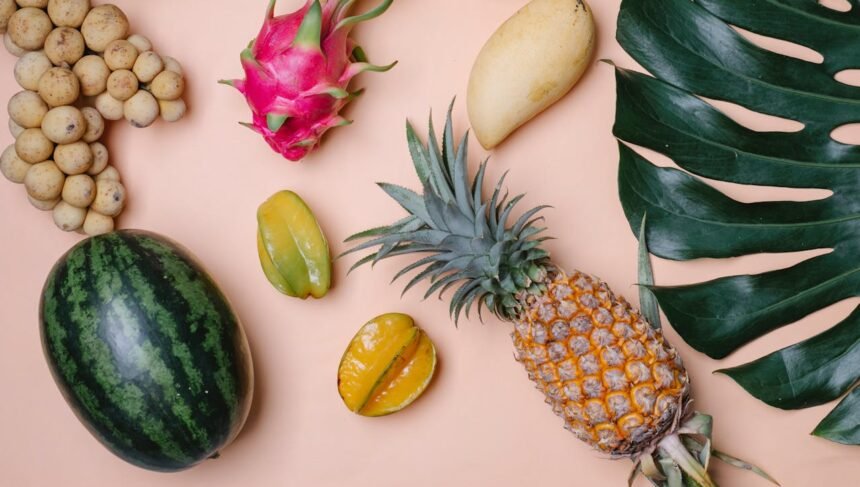
When you stroll down the exotic fruit aisle, the star fruit—also known as carambola—often catches the eye with its distinctive shape and vibrant yellow hue. While it is widely celebrated for its refreshing, tart flavour and low calorie count, emerging interest suggests that this tropical fruit may offer significant benefits for your complexion.
Achieving a radiant glow is rarely about a single miracle product; it requires a holistic approach involving diet, hydration, and lifestyle. However, incorporating nutrient-dense foods like star fruit for skin health into your regimen can provide essential vitamins that support structural integrity and protection against environmental stressors.
In this article, we examine the science behind star fruit, its role in collagen synthesis, its antioxidant profile, and crucial safety considerations you must know before adding it to your diet.
Overview: The Nutritional Profile of Carambola
To understand why star fruit might be beneficial for dermatology, we must first look at its nutritional composition. Native to Southeast Asia, this fruit is a powerhouse of hydration and micronutrients.
It is exceptionally rich in Vitamin C (ascorbic acid), which is perhaps the most critical vitamin for skin health. Additionally, it contains modest amounts of Vitamin B complex, antioxidants like quercetin and gallic acid, and minerals such as zinc.
Below is a breakdown of key nutrients in star fruit that directly impact skin health:
| Nutrient | Benefit for Skin |
|---|---|
| Vitamin C | Vital for collagen production and fighting free radicals. |
| Water Content | Provides systemic hydration to maintain skin elasticity. |
| Antioxidants | protect against UV damage and pollution. |
| Zinc | Helps regulate oil production and reduce inflammation. |
| Fibre | Assists in gut health, which is linked to clearer skin. |
Because skin health is a reflection of internal health, the high water content (approximately 91%) of star fruit helps combat dehydration, a common cause of dull, tired-looking skin.
Factors and Science: How Star Fruit Benefits the Skin
The claim that star fruit for skin is beneficial is rooted in biochemistry. There are three primary mechanisms through which this fruit supports dermatological health: collagen synthesis, oxidative protection, and anti-inflammatory action.
1. Vitamin C and Collagen Synthesis
Collagen is the most abundant protein in the human body, providing structure and elasticity to the dermis. As we age, collagen production naturally depletes, leading to wrinkles and sagging.
Star fruit is an excellent source of Vitamin C. According to research, Vitamin C is an essential cofactor for the enzymes prolyl and lysyl hydroxylase. These enzymes are responsible for stabilizing and cross-linking collagen molecules. Without adequate Vitamin C, the collagen produced is unstable, leading to weaker skin structure.
A single medium star fruit can provide roughly 50% of your Reference Nutrient Intake (RNI) for Vitamin C. Regular consumption ensures your body has the raw materials necessary to maintain a firm, youthful complexion.
For more on the vital role of vitamins in dermatology, read about Vitamin C benefits for skin.
2. Combatting Oxidative Stress
Every day, your skin is bombarded by free radicals generated by UV radiation, pollution, and metabolic processes. This state, known as oxidative stress, accelerates the ageing process.
Star fruit is loaded with polyphenolic compounds. Studies indicate that carambola contains strong antioxidants, including quercetin, epicatechin, and gallic acid. These compounds neutralise free radicals before they can damage cellular DNA.
Research published by the National Institutes of Health (NIH) highlights that the antioxidant activity in star fruit is potent enough to offer significant intracellular protection. By reducing oxidative stress, you effectively slow down the formation of fine lines and hyperpigmentation.
3. Antimicrobial and Anti-Inflammatory Properties
For those suffering from acne or prone to breakouts, star fruit may offer relief through its zinc content and antimicrobial properties. Inflammation is a root cause of acne, eczema, and psoriasis.
The flavonoids found in the fruit exhibit anti-inflammatory effects. Furthermore, traditional medicine has often utilised plant extracts to treat skin conditions. While eating the fruit is the primary method of intake, some evidence suggests that the fruit acids (similar to AHAs) can help exfoliate the skin when applied topically, although this should be done with caution.
Learn more about how diet affects acne at the American Academy of Dermatology.
Important Safety Warning: Kidney Health
Before you rush to stock up on carambola, it is imperative to address a serious medical contraindication. Star fruit can be toxic to individuals with kidney problems.
The fruit contains substances called oxalates and a specific neurotoxin known as caramboxin. Healthy kidneys can filter these out effectively. However, for anyone with chronic kidney disease (CKD) or kidney stones, eating star fruit can lead to toxicity, causing confusion, seizures, and even death.
According to the National Kidney Foundation, individuals with renal impairment must avoid star fruit entirely. Even for healthy individuals, moderation is key to preventing the formation of oxalate kidney stones.
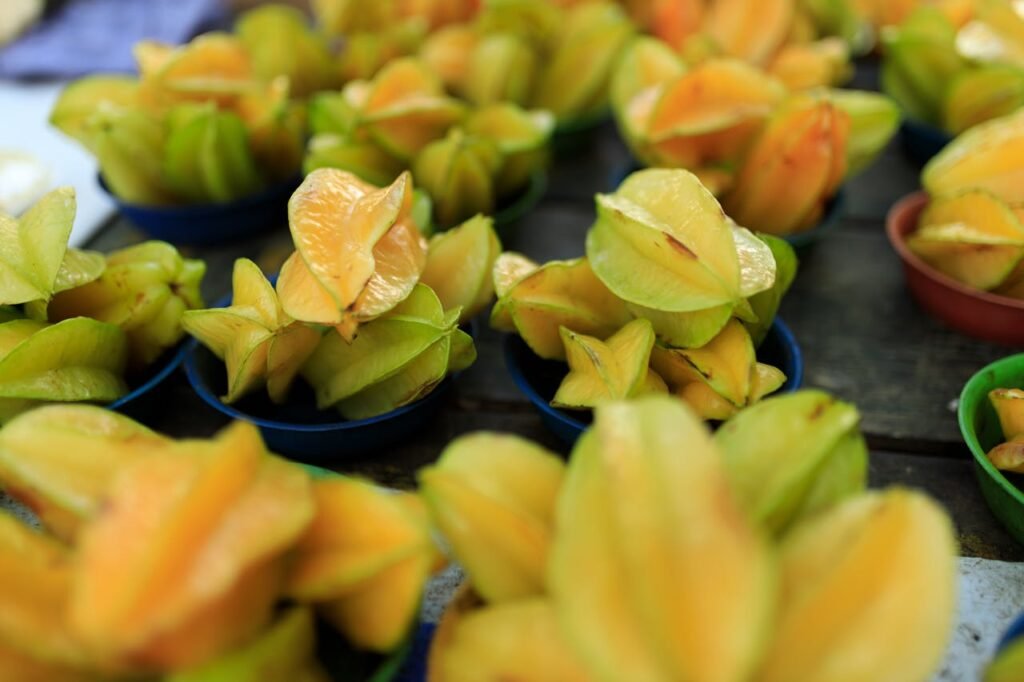
Treatment and Management: How to Use Star Fruit
If you have healthy kidneys and wish to utilise star fruit for skin benefits, there are two main approaches: dietary consumption and topical application.
Dietary Consumption
Eating the fruit is the most effective way to absorb its nutrients. The bioavailability of Vitamin C is generally higher when consumed in whole foods rather than supplements.
- Raw Snack: Wash the fruit thoroughly, slice it into stars (no need to peel), and eat it raw. It has a crunch similar to an apple.
- Juicing: Blend star fruit with cucumber and mint for a hydrating, skin-boosting drink. The combination increases hydration levels, essential for a dewy look.
- Salads: Add slices to a spinach and walnut salad. The Vitamin C in the fruit helps your body absorb iron from the spinach, further supporting healthy blood flow to the skin.
For nutritional data on fruits, refer to the USDA FoodData Central.
Topical Application (DIY Face Masks)
Topical application allows the fruit’s natural acids to act as a mild chemical exfoliant. However, do a patch test first, as the acidity can irritate sensitive skin.
Brightening Star Fruit Mask:
- Mash half a ripe star fruit.
- Mix with one tablespoon of Greek yoghurt (for lactic acid).
- Apply to the face for 10–15 minutes.
- Rinse with cool water.
This mask utilizes the fruit enzymes to dissolve dead skin cells, revealing a brighter layer underneath. It acts similarly to commercial products containing Alpha Hydroxy Acids (AHAs).
For more on chemical exfoliation, see WebMD’s guide on AHAs.
Practical Tips for Healthy Skin
While star fruit is a fantastic addition, it should be part of a broader skincare strategy. Here are practical tips to maximise your results:
1. Pair with Healthy Fats
Vitamins are often divided into water-soluble and fat-soluble categories. While Vitamin C is water-soluble, skin health also relies on Vitamin E and A. Eat your star fruit alongside nuts or seeds to ensure holistic nutrient absorption.
2. Sun Protection is Non-Negotiable
Antioxidants in star fruit provide internal protection against UV damage, but they do not replace sunscreen. You must wear a broad-spectrum SPF 30+ daily. The British Skin Foundation emphasises that UV radiation is the primary cause of premature ageing.
3. Hydration
Star fruit helps, but you must drink adequate water. Hydrated skin looks plumper and minimises the appearance of pores. Avoid excessive alcohol and caffeine, which are diuretics.
4. Manage Sugar Intake
While fruit sugar (fructose) is natural, consuming excessive amounts of very sweet fruits can still contribute to glycation—a process where sugar binds to collagen, making it brittle. Star fruit is relatively low in sugar compared to mangoes or grapes, making it a smart choice.
Read more about how sugar affects ageing at the Cleveland Clinic.
5. Consistency Over Intensity
Eating five star fruits in one day will not fix skin issues. Consistently eating a varied diet rich in fruits and vegetables over months will yield visible results. Cycle star fruit with other skin-friendly foods like berries, avocados, and fatty fish.
The Bottom Line
Is star fruit for skin a legitimate remedy? The science suggests a resounding yes—provided you are healthy enough to eat it.
Its high Vitamin C content makes it a potent ally in the production of collagen, helping to keep skin firm and reduce the appearance of wrinkles. The antioxidants found in carambola, such as gallic acid and quercetin, provide an internal shield against the environmental stressors that cause premature ageing. Furthermore, its anti-inflammatory properties may help manage oily skin and acne.
However, the risks associated with kidney toxicity cannot be overstated. If you have any history of kidney stones or renal disease, you should avoid this fruit entirely. For everyone else, star fruit serves as a refreshing, low-calorie, and nutrient-dense addition to a skin-friendly diet.
Incorporating carambola into your routine—whether through smoothies, salads, or the occasional DIY mask—can add a layer of defense to your skincare regimen. Remember, the best skincare routine starts on your plate.
External Resources
- Healthline: Vitamin C Benefits
- NIH: Antioxidant Activities of Star Fruit
- National Kidney Foundation: Star Fruit Toxicity
- AAD: Can Diet Affect Acne?
- USDA FoodData Central
- WebMD: Alpha Hydroxy Acids
- British Skin Foundation
- Cleveland Clinic: Sugar and Aging
- Medical News Today: Zinc benefits for skin
- Mayo Clinic: Kidney Stones and Diet