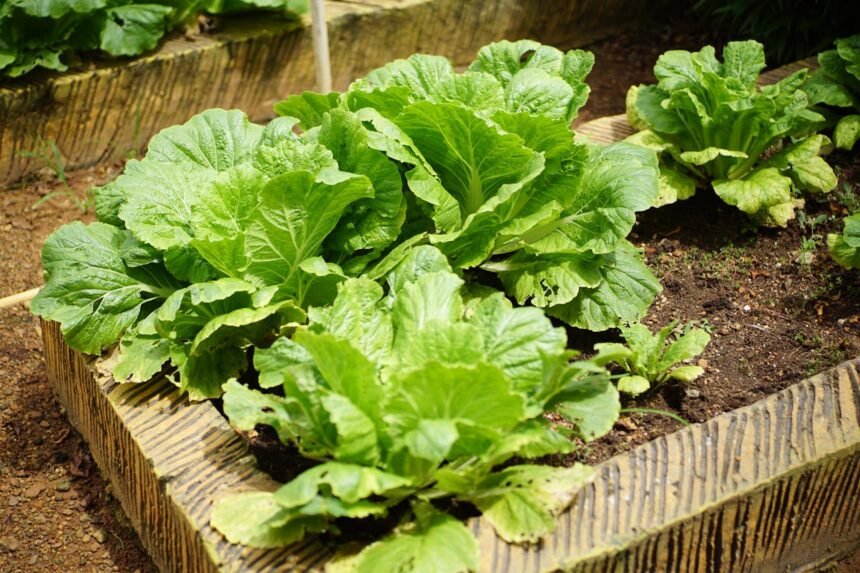
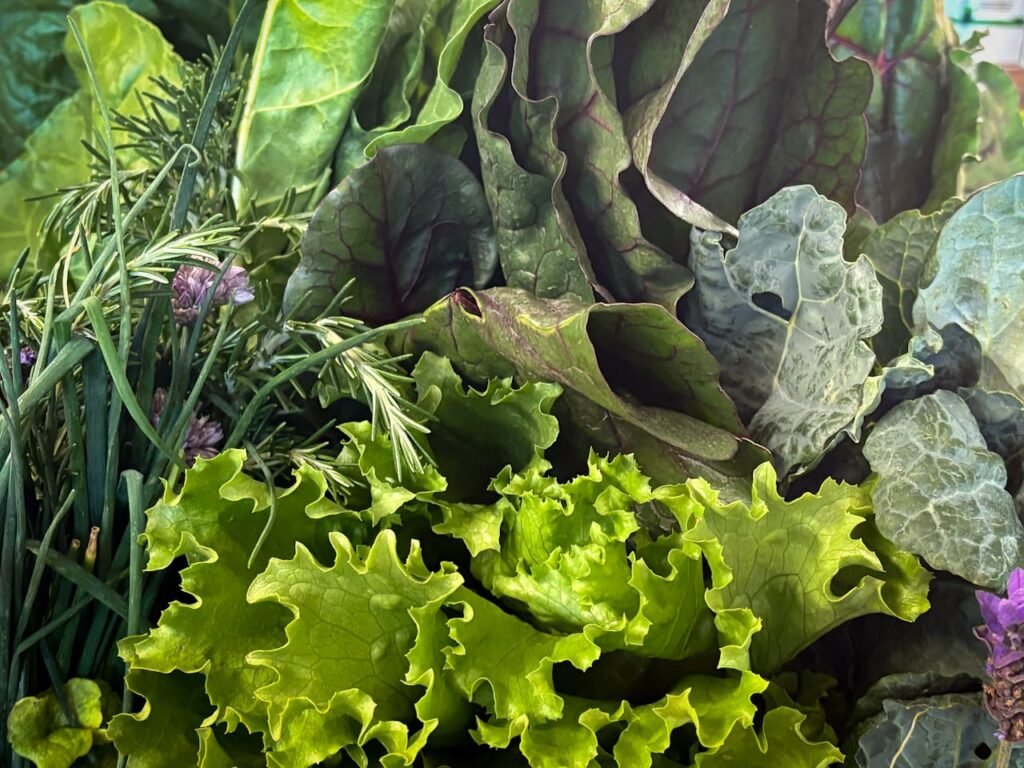
Swiss chard is a leafy green vegetable that often gets overshadowed by its more popular cousins, kale and spinach. However, this vibrant member of the Chenopodioideae family—which also includes beets and quinoa—is a nutritional powerhouse in its own right. Known scientifically as Beta vulgaris, Swiss chard is characterized by its dark green leaves and thick, crunchy stalks that can range in color from white to bright red and yellow.
Is Swiss chard good for you? The short answer is a resounding yes. It is low in calories but exceptionally high in essential vitamins, minerals, and plant compounds that fight inflammation and protect cellular health. Specifically, it is one of the most nutrient-dense foods available, boasting impressive amounts of Vitamin K, Vitamin A, magnesium, and antioxidants. Whether you are looking to improve heart health, manage blood sugar, or simply diversify your vegetable intake, Swiss chard is an excellent dietary addition.
In this article, we explore the evidence-based benefits of Swiss chard, its nutritional profile, potential downsides, and how to incorporate it into a balanced diet.
A Highly Impressive Nutritional Profile
One of the primary reasons health experts advocate for Swiss chard is its incredible nutrient-to-calorie ratio. You can consume a large volume of this green without consuming excess energy, making it ideal for weight management and overall health. A single one-cup serving (approximately 175 grams) of cooked Swiss chard provides over 700% of the Daily Value (DV) for Vitamin K, a nutrient essential for blood clotting and bone metabolism.
According to data from the USDA FoodData Central, a one-cup serving of cooked Swiss chard contains roughly:
- Calories: 35
- Protein: 3.3 grams
- Carbohydrates: 7 grams
- Fiber: 3.7 grams
- Vitamin K: 716% of the DV
- Vitamin A: 214% of the DV
- Magnesium: 38% of the DV
- Vitamin C: 53% of the DV
- Iron: 22% of the DV
Beyond these macronutrients and micronutrients, chard is a rich source of copper, calcium, vitamin E, and manganese. The high presence of magnesium is particularly notable because many modern diets are deficient in this mineral, which is crucial for nerve function and blood pressure regulation.
Loaded with Disease-Fighting Antioxidants
Antioxidants are compounds that help your body fight oxidative stress caused by free radicals. Oxidative stress is linked to chronic conditions such as heart disease, cancer, and neurodegenerative disorders. Swiss chard is teeming with a variety of antioxidants, including beta-carotene, alpha-carotene, lutein, and zeaxanthin.
Furthermore, chard contains flavonoid antioxidants like quercetin and kaempferol. Research published by the National Institutes of Health (NIH) suggests that kaempferol may have robust anti-cancer properties by reducing cell proliferation. By incorporating chard into your meals, you are directly leveraging the benefits of antioxidants to protect your body at a cellular level.
The Power of Betalains
Perhaps the most unique aspect of Swiss chard—specifically the varieties with red and yellow stems—is the presence of betalains. These are the same water-soluble pigments found in beets. Betalains are known for their potent anti-inflammatory abilities. Chronic inflammation is a root cause of many ailments, from arthritis to cardiovascular disease, and consuming betalain-rich foods can help mitigate these inflammatory pathways.
May Significantly Benefit Heart Health
Cardiovascular disease remains a leading cause of death globally, but diet plays a massive role in prevention. Swiss chard contributes to heart health through several mechanisms, primarily its mineral content. It is an excellent source of potassium and magnesium, two minerals that work in tandem to maintain healthy blood pressure levels.
Potassium helps counteract the effects of sodium in the body, relaxing blood vessel walls and lowering blood pressure. The American Heart Association emphasizes that increasing potassium intake while reducing sodium is vital for cardiovascular protection. Furthermore, magnesium deficiency is often linked to hypertension. By providing nearly 40% of your daily magnesium needs in a single cooked cup, Swiss chard is one of the top foods for heart health.
Additionally, leafy greens like chard are high in dietary nitrates. Studies cited by PubMed Central have shown that dietary nitrates can improve endothelial function (the health of the inner lining of blood vessels) and lower blood pressure, further reducing the risk of heart attacks and strokes.
Could Help Lower Blood Sugar Levels
For individuals with prediabetes, type 2 diabetes, or insulin resistance, Swiss chard is a valuable dietary ally. The vegetable is high in fiber, which slows the absorption of sugar into the bloodstream, preventing dangerous spikes in glucose and insulin. The Centers for Disease Control and Prevention (CDC) recommends high-fiber diets for effective diabetes management.
Beyond fiber, Swiss chard contains an antioxidant known as alpha-lipoic acid (ALA). Research suggests ALA may help lower glucose levels and increase insulin sensitivity. While much of the research on ALA involves supplementation, consuming it through whole foods contributes to a holistic strategy to manage blood sugar naturally.
Another compound found in chard, syringic acid, has been shown in animal studies to inhibit an enzyme known as alpha-glucosidase. By inhibiting this enzyme, fewer carbs break down into simple sugars, which helps maintain stable blood sugar levels after meals. Further research is needed to confirm the extent of this effect in humans, but the preliminary data is promising.
Promotes Weight Loss and Satiety
If weight loss is a goal, filling your plate with fiber-rich, low-calorie vegetables is a proven strategy. Fiber adds bulk to your meals without adding significant calories, promoting a feeling of fullness that reduces overall calorie intake. Because Swiss chard contains less than 40 calories per cooked cup, you can eat it in large quantities to satisfy your hunger without compromising your caloric deficit.
Diets that prioritize high-fiber foods are consistently linked to lower body weight. According to the Mayo Clinic, fiber also supports a healthy gut microbiome, which is increasingly recognized as a factor in weight regulation and metabolic health.
Critical for Bone Health
When we think of bone health, calcium usually comes to mind first. While Swiss chard does contain calcium, its true bone-building superpower lies in its Vitamin K content. As mentioned earlier, a single serving provides over 700% of the daily requirement for Vitamin K1.
Vitamin K is essential for the modification of osteocalcin, a protein that binds calcium to the bone matrix. Without sufficient Vitamin K, calcium cannot be effectively utilized to build and maintain bone density. Low intake of Vitamin K is associated with an increased risk of bone fractures and osteoporosis. By ensuring adequate intake, you can maximize Vitamin K benefits for skeletal strength.
The Office of Dietary Supplements (NIH) confirms that higher Vitamin K intake correlates with improved bone mineral density, making chard a vital food for aging populations.
Potential Downsides and Precautions
While Swiss chard is undeniably nutritious, it may not be suitable for everyone due to two primary factors: oxalates and Vitamin K.
Kidney Stones and Oxalates
Like spinach and beet greens, Swiss chard is high in oxalates. Oxalates are natural compounds that can bind with minerals like calcium in the gut. For most people, these are eliminated without issue. However, for individuals prone to calcium-oxalate kidney stones, high intake of oxalates can increase the risk of stone formation.
According to the National Kidney Foundation, staying hydrated and consuming adequate calcium alongside oxalate-rich foods can help, but those with a history of stones may need to follow a low-oxalate diet or moderate their intake of chard.
Drug Interactions
The incredibly high Vitamin K content in Swiss chard can interact with blood-thinning medications such as warfarin (Coumadin). These drugs work by inhibiting the activity of Vitamin K to prevent blood clots. Suddenly increasing your intake of Vitamin K can render the medication less effective.
This does not mean you cannot eat chard if you are on blood thinners, but consistency is key. Physicians generally recommend maintaining a consistent level of Vitamin K intake rather than avoiding it entirely. Always consult your doctor regarding food-drug interactions before making drastic changes to your diet.
How to Add Swiss Chard to Your Diet
Swiss chard is versatile and can be prepared in numerous ways. Younger leaves are tender and mild, making them perfect for raw salads, while larger, older leaves have a slightly tougher texture and bitterness that mellows with cooking. The stalks are crunchy and sweet, resembling celery, and should be cooked slightly longer than the leaves.
Preparation Ideas
- Sautéed: Sauté the stems first in olive oil and garlic for 3-4 minutes, then add the chopped leaves and cook until wilted. This is a classic side dish often found in Mediterranean diet recipes.
- Soups and Stews: Add chopped chard to hearty vegetable soups or minestrone. The leaves hold up well in broth.
- Smoothies: Use a handful of raw chard leaves in your morning green smoothie for a nutrient boost.
- Pickled Stems: Don’t throw away the stems! You can pickle them for a crunchy, tangy snack.
- Egg Dishes: Fold wilted chard into omelets, frittatas, or quiches for a healthy breakfast.
For more inspiration, you can explore healthy dinner ideas that feature leafy greens as a central component. The USDA’s MyPlate Kitchen also offers verified recipes for utilizing dark green vegetables.
The Bottom Line
Is Swiss chard good for you? Absolutely. It is a nutritional titan that supports heart health, blood sugar regulation, bone density, and weight management. Its rich array of antioxidants helps combat inflammation and oxidative stress, protecting you from chronic disease.
While those prone to kidney stones or taking blood thinners should exercise caution, for the vast majority of people, Swiss chard is an excellent addition to a healthy diet. Its versatility in the kitchen makes it easy to enjoy, whether you prefer it raw, sautéed, or blended. Next time you are in the produce aisle, look past the spinach and kale and give this colorful leafy green the attention it deserves.