
You have likely felt it before: the mid-afternoon slump that hits you like a freight train, the sudden irritability when lunch is delayed, or the brain fog that makes focusing on simple tasks feel like climbing a mountain. While we often attribute these sensations to poor sleep or general stress, the culprit is frequently biological. It is the roller coaster of glucose spikes and crashes.
Maintaining balanced blood sugar is not just a concern for those diagnosed with diabetes. It is a fundamental pillar of metabolic health, energy regulation, and longevity for everyone. In this comprehensive guide, we will explore the science of glucose regulation and actionable stable blood glucose habits that you can integrate into your daily life to reclaim your energy and protect your long-term health.
The Physiology of the Spike: What Happens Inside?
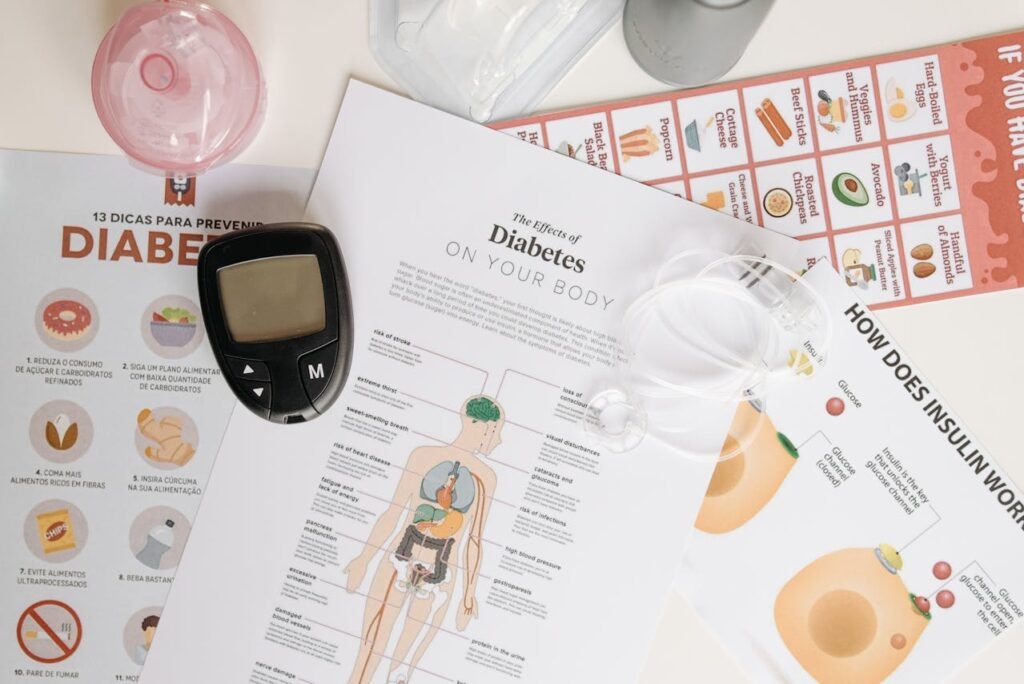
When you eat carbohydrates, your digestive system breaks them down into sugar (glucose), which enters your bloodstream. In response, your pancreas releases insulin, a hormone that acts as a key to unlock your cells, allowing glucose to enter and be used for energy.
However, when we consume highly processed foods or sugary drinks, glucose floods the bloodstream too quickly. This causes a sharp spike. The pancreas overcompensates by flooding the body with insulin, leading to a rapid drop in blood sugar shortly after—a phenomenon often called reactive hypoglycemia. According to the Centers for Disease Control and Prevention (CDC), consistent fluctuations like these can lead to insulin resistance, the precursor to Type 2 diabetes.
Nutritional Pillars for Glucose Stability
Diet is the primary lever we can pull to manage blood sugar. However, this doesn’t necessarily mean cutting out all carbohydrates; it means choosing the right ones and pairing them effectively.
1. The Power of Fiber
Fiber is the unsung hero of metabolic health. Unlike simple carbohydrates, fiber is not broken down by the body. Instead, it slows the digestion of other nutrients, preventing rapid absorption of sugar. High-fiber foods effectively “blunt” the glucose response.
- Soluble Fiber: Found in oats, beans, and apples, this dissolves in water to form a gel-like substance that slows digestion.
- Insoluble Fiber: Found in whole grains and veggies, this adds bulk and promotes digestive health.
Research from the Harvard T.H. Chan School of Public Health indicates that high-fiber diets are strongly linked to a reduced risk of developing type 2 diabetes.
2. “Clothing” Your Carbs
Eating a carbohydrate on its own (like a plain bagel or an apple) often leads to a sharper spike than if that carbohydrate is eaten with fat or protein. This concept, often referred to as “clothing your carbs,” involves pairing glucose sources with macronutrients that slow gastric emptying.
- Example: Instead of an apple alone, have an apple with almond butter.
- Example: Instead of plain toast, have avocado toast with an egg.
3. Food Sequencing Matters
It is not just what you eat, but the order in which you eat it. A groundbreaking study cited by Weill Cornell Medicine found that eating vegetables and proteins before carbohydrates significantly reduced post-meal glucose and insulin levels compared to eating the carbohydrates first.
Try this sequence:
- Fiber/Vegetables
- Protein and Fats
- Starches/Sugars (last)
The Impact of Movement: Use Your Muscles
Your muscles are the largest glucose sink in your body. When you contract your muscles, they require fuel, which they pull directly from your bloodstream. This process can happen independently of insulin, making exercise a powerful tool for lowering blood sugar.
The Post-Meal Walk
Timing your movement is crucial. Engaging in light physical activity, such as a 10 to 15-minute walk, shortly after a meal can significantly dampen the glucose spike. The American Diabetes Association notes that physical activity lowers blood glucose levels and improves insulin sensitivity effectively.
Resistance Training
While cardio is excellent, building muscle mass through resistance training increases your basal metabolic rate and your body’s storage capacity for glucose (glycogen). More muscle mass generally equates to better overall glucose disposal.
The Hidden Culprits: Stress and Sleep
Even with a perfect diet, you might struggle with glucose control if your lifestyle is high-stress and low-sleep.
Cortisol and Blood Sugar
When you are stressed, your body releases cortisol and adrenaline. These “fight or flight” hormones tell your liver to release stored glucose into the bloodstream to provide energy for the perceived threat. If you aren’t physically running away from a tiger, that glucose sits in your blood, causing a spike. Chronic stress leads to chronically elevated glucose. The Cleveland Clinic emphasizes that managing stress is a vital component of hormonal balance.
The Sleep Connection
Sleep deprivation induces a state of temporary insulin resistance. Studies reviewed by the Sleep Foundation show that getting less than 6 hours of sleep can impair the body’s ability to process glucose as efficiently as it does when well-rested.
Comparative Data: Glycemic Impact of Common Foods
Understanding the Glycemic Index (GI) and Glycemic Load (GL) can help you make better choices. The GI ranks carbohydrates on a scale from 0 to 100 based on how quickly they raise blood sugar levels.
| Food Category | High GI Choice (Likely Spike) | GI Score (Approx) | Low GI Alternative (Stable Energy) | GI Score (Approx) |
|---|---|---|---|---|
| Grains | White Bread | 75 | Sourdough or 100% Stone Ground | 53 |
| Rice | Jasmine Rice | 89 | Brown Rice or Quinoa | 50-53 |
| Breakfast | Corn Flakes | 81 | Rolled Oats (Steel Cut) | 55 |
| Fruits | Watermelon | 76 | Berries (Blueberries/Strawberries) | 25-40 |
| Vegetables | Russet Potato (Baked) | 111 | Sweet Potato (Boiled) | 63 |
| Snacks | Pretzels | 83 | Hummus with Raw Veggies | 6-10 |
Note: GI scores are approximations and can vary based on preparation and ripeness. Source referencing data from Harvard Health Publishing.
Advanced Hacks: Vinegar and Hydration
The Vinegar Trick
Acetic acid, the main component of vinegar, has been shown to reduce the blood sugar response to a carbohydrate-rich meal. A meta-analysis available via the National Institutes of Health (NIH) suggests that consuming a small amount of vinegar (like apple cider vinegar diluted in water) before a meal can improve insulin sensitivity.
Hydration Levels
When you are dehydrated, the concentration of glucose in your blood rises simply because there is less fluid volume. The kidneys also struggle to flush out excess sugar when water intake is low. Staying hydrated is one of the simplest stable blood glucose habits you can adopt.
Monitoring: The Rise of CGMs
Traditionally, blood sugar monitoring was reserved for diabetics using finger-prick glucometers. However, the rise of Continuous Glucose Monitors (CGMs) has brought metabolic data to the general public. These wearable devices provide real-time feedback on how specific foods, stress events, and exercises affect your unique biology.
While not everyone needs a CGM, understanding that bio-individuality exists is important. As noted by the Mayo Clinic, recognizing the symptoms of hyperglycemia (high blood sugar) is the first step toward management, regardless of whether you use technology to track it.
Conclusion: Building a Metabolic Foundation
Stabilizing your blood sugar is not about perfection; it is about flattening the curve of the glucose roller coaster. By prioritizing fiber, sequencing your meals, moving your body after eating, and managing stress, you create a physiological environment where your body can thrive.
Ignoring blood sugar variances can lead to metabolic syndrome, a cluster of conditions that increase the risk of heart disease and stroke, according to the American Heart Association. Conversely, mastering these stable blood glucose habits can unlock sustained energy, sharper mental clarity, and improved mood.
Start small. Try eating your vegetables first at dinner tonight, or take a 10-minute walk after lunch. Your metabolism—and your future self—will thank you.
Disclaimer: This content is for informational purposes only and does not constitute medical advice. Always consult with a healthcare professional regarding your health conditions or before making significant changes to your diet or exercise routine, especially if you have pre-existing conditions like diabetes.