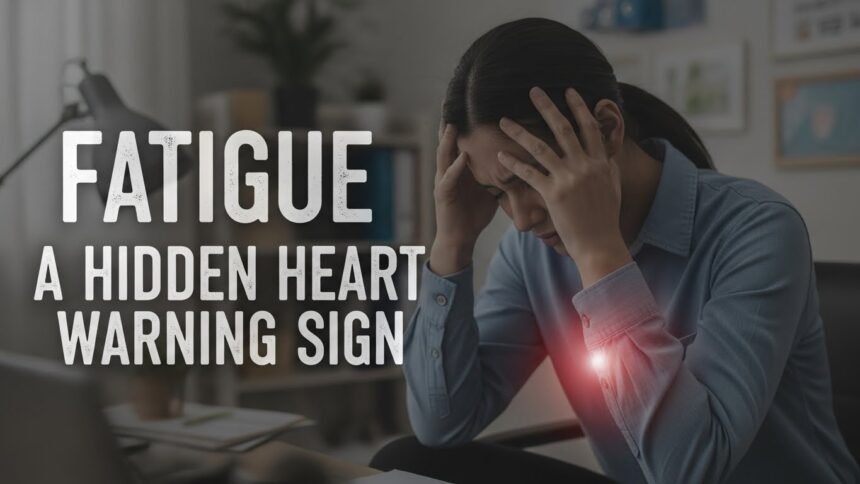
We all experience days when we feel drained. A long week at work, a poor night’s sleep, or stress can easily leave us feeling sluggish. However, there is a distinct difference between being tired and experiencing the kind of exhaustion that signals a medical emergency. For many, unusual fatigue heart disease indicators are often the first, yet most overlooked, symptoms of a cardiovascular problem.
While chest pain is the cinematic standard for heart attacks, the reality is often much subtler. Deep, unrelenting fatigue that doesn’t improve with rest can be a red flag that your heart is struggling to pump oxygen-rich blood to the rest of your body. Understanding this connection is vital for early intervention and long-term health.
The Physiology: Why a Weak Heart Causes Exhaustion
To understand why heart issues manifest as tiredness, we must look at the body’s mechanics. The heart is the engine responsible for delivering oxygen and nutrients to tissues and muscles. When the heart muscle is weakened due to conditions like heart failure, coronary artery disease (CAD), or valvular disease, its efficiency drops.
According to the American Heart Association, when the heart cannot pump effectively, the body prioritizes blood flow to vital organs like the brain and heart itself, diverting it away from muscles in the limbs. This physiological triage results in a feeling of heaviness and exhaustion, even during minor activities.
Distinguishing “Normal” Tiredness from Cardiac Fatigue
How do you know if your tiredness is just a result of a busy lifestyle or something more sinister? Medical professionals often look for specific patterns that differentiate cardiac fatigue from general somnolence.
The “Grocery Store” Test
One practical way to gauge your fatigue is by comparing your current ability to perform routine tasks against your history. If you could previously walk through the grocery store without a second thought, but now find yourself needing to lean on the cart or stop to catch your breath halfway through, this is a significant warning sign.
Experts at Mayo Clinic note that cardiac fatigue often presents as:
- Sudden Onset: You feel fine one week, and the next, you are exhausted by climbing a flight of stairs.
- Lack of Relief: A full night’s sleep does not restore your energy levels.
- Post-Meal Fatigue: Extreme tiredness after eating, as the digestive system requires blood flow that the compromised heart struggles to provide.
Comparison: General Fatigue vs. Heart Failure Fatigue
To help visualize the difference, the following table breaks down the characteristics of benign fatigue versus fatigue that warrants cardiac evaluation.
| Feature | General Fatigue (Lifestyle/Stress) | Heart-Related Fatigue (Cardiac Origin) |
|---|---|---|
| Trigger | Late nights, heavy exercise, stress. | Minimal exertion (e.g., making the bed) or no obvious trigger. |
| Recovery | Improves with sleep and rest. | Persists despite adequate rest or naps. |
| Physical Sensation | Generalized sleepiness; “heavy eyelids.” | “Heavy limbs,” weakness, feeling winded. |
| Associated Symptoms | Yawning, irritability, lack of focus. | Shortness of breath, swelling in ankles, palpitations. |
| Progression | Fluctuates based on activity. | Progressively worsens over weeks or months. |
The Silent Symptoms: Associated Warning Signs
Unusual fatigue rarely travels alone when the heart is involved. It is usually accompanied by a cluster of symptoms that, when combined, paint a clearer picture of cardiovascular distress.
Shortness of Breath (Dyspnea)
If you feel winded while lying flat or wake up gasping for air, this is a classic sign of fluid buildup in the lungs—a hallmark of heart failure. The National Heart, Lung, and Blood Institute emphasizes that dyspnea combined with fatigue is a primary indicator of reduced cardiac output.
Edema (Swelling)
When the heart slows down, blood backs up in the veins of the legs and feet. This causes fluid to leak into surrounding tissues. If your shoes feel tight or you notice persistent sock marks on your ankles alongside exhaustion, consult a doctor.
Sleep Apnea and Heart Strain
There is a bidirectional relationship between sleep and heart health. Sleep apnea, a condition where breathing stops intermittently during sleep, places immense strain on the cardiovascular system. The Sleep Foundation reports that untreated sleep apnea is a major risk factor for heart failure and stroke, often manifesting as chronic daytime fatigue.
Gender Differences: How Women Experience Heart Fatigue
It is crucial to highlight that heart disease presents differently across genders. Women are significantly more likely to experience unusual fatigue heart disease symptoms than men, who are more prone to the classic “crushing chest pain.”
According to Harvard Health Publishing, women often dismiss these symptoms as flu or stress. In the weeks leading up to a cardiac event, many women report a fatigue so profound that they cannot make their bed without resting. Recognizing this gender disparity is essential for preventing misdiagnosis.
Risk Factors That Amplify the Danger
Fatigue becomes a more urgent concern if you possess underlying risk factors for cardiovascular disease. The Centers for Disease Control and Prevention (CDC) lists the following high-risk categories:
- High Blood Pressure: Over time, this damages arteries and strains the heart.
- Diabetes: High blood sugar damages blood vessels and the nerves that control the heart.
- Obesity: Excess weight forces the heart to work harder to pump blood.
- Sedentary Lifestyle: A lack of physical activity weakens the heart muscle.
Diagnostic Tools: What to Expect
If you suspect your fatigue is heart-related, your physician will likely employ several diagnostic tools.
- Blood Tests: To check for sodium, potassium, albumin, and creatinine levels, as well as biomarkers like BNP (B-type natriuretic peptide) which rises during heart failure.
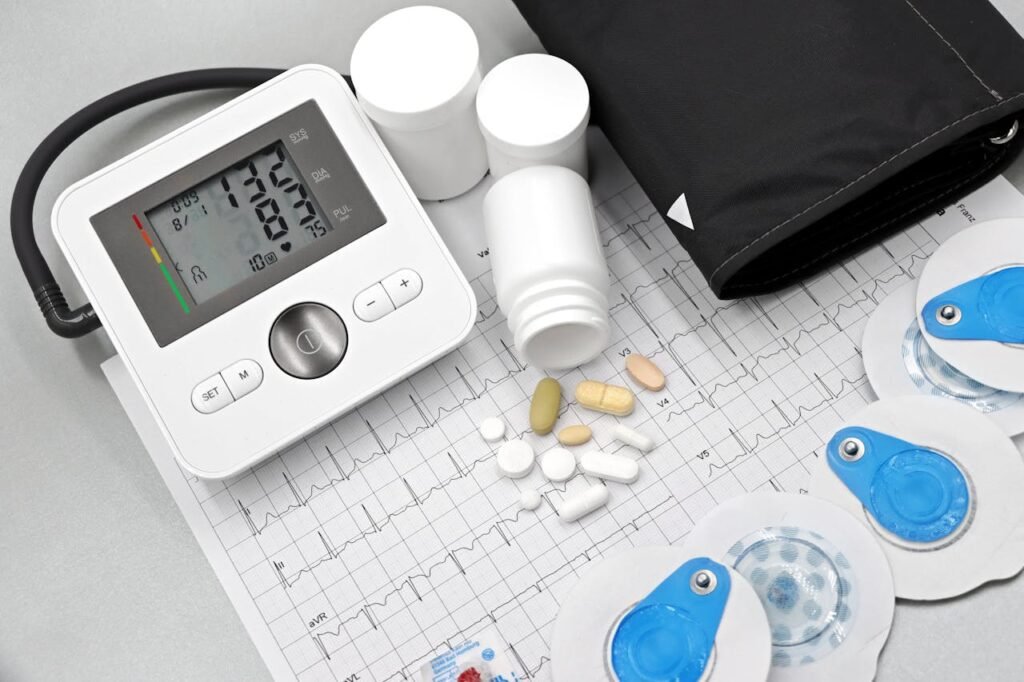
- Electrocardiogram (ECG): To record the electrical activity of the heart.
- Echocardiogram: As described by the Cleveland Clinic, this ultrasound of the heart is the gold standard for measuring the ejection fraction—the percentage of blood leaving your heart each time it contracts.
Managing Heart Health and Energy Levels
If diagnosed with a heart condition, managing fatigue becomes a part of the treatment plan. This involves a combination of medication, lifestyle changes, and cardiac rehabilitation.
- Dietary Adjustments: Adopting a heart-healthy diet, such as the Mediterranean diet, can reduce inflammation. The World Health Organization recommends reducing salt intake to lower blood pressure.
- Graded Exercise: While it seems counterintuitive to exercise when tired, controlled physical activity strengthens the heart muscle.
- Medication Adherence: Beta-blockers and ACE inhibitors help reduce the heart’s workload, though they may cause fatigue initially as the body adjusts.
Conclusion: Listen to the Whispers Before the Scream
Your body has a language of its own. While it is easy to rationalize tiredness as a side effect of a busy modern life, persistent, unexplained exhaustion is a symptom that demands attention. Unusual fatigue heart disease connections are well-documented and often serve as the earliest warning sign of declining cardiovascular health.
If you find yourself unable to keep up with activities you used to enjoy, or if your fatigue is accompanied by shortness of breath or swelling, do not wait. Schedule an appointment with your healthcare provider today. Early detection is the most powerful tool available in the fight against heart disease. Listen to your heart—literally and figuratively—for a longer, more energetic life.