In the diverse world of legumes, few varieties hold the mystique and nutritional density of the jungle peanut. While the modern snack aisle is dominated by uniform, mass-produced varieties, wild heirloom peanuts offer a glimpse into the ancient origins of this beloved food.
Often distinguished by their striking tiger-striped skins and robust, earthy flavour, jungle peanuts are more than just a culinary curiosity. They represent a genetic lineage that has remained largely untouched by modern hybridisation. Native to the Amazon basin, these nuts are now gaining traction in health circles as one of the premier Amazonian superfoods available today.
For those accustomed to the standard runner peanut, the jungle variety provides a completely different experience—both in texture and nutritional bio-availability. As consumers increasingly seek out organic non-GMO peanuts, understanding the unique properties of this wild ancestor is essential for making informed dietary choices.
What Are Jungle Peanuts?
Jungle peanuts (Arachis hypogaea) are a wild variety of peanut cultivated for thousands of years, primarily by indigenous groups in the Amazon rainforest, such as the Shuar and Achuar tribes. Unlike commercial crops that are often grown in mono-cultures, Shuar tribe agriculture relies on complex agroforestry systems where peanuts grow in harmony with other rainforest vegetation.
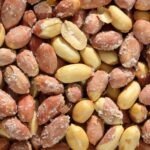
Physically, these peanuts are longer and leaner than their commercial counterparts. Their skins feature deep chocolate and tan stripes, a visual marker of their heirloom status. Because they are often wild-harvested or grown in remote areas without industrial chemicals, they are considered by many to be one of the purest forms of the legume available.
The Aflatoxin Advantage
One of the most significant concerns regarding standard peanuts is the presence of aflatoxins—a toxic compound produced by mould (specifically Aspergillus) that thrives in the humid storage conditions of mass agricultural supply chains. According to the National Cancer Institute, long-term exposure to aflatoxins is a risk factor for liver damage.
However, jungle peanuts are frequently marketed as aflatoxin-free nuts. This is partly due to the traditional harvesting and drying methods used in the Amazon, but also potentially due to the nut’s own hardiness. The wild genetics of these Arachis hypogaea varieties have evolved natural defences against the humid rainforest environment, making them more resistant to fungal growth than highly domesticated breeds.
Nutritional Profile: Beyond the Basic Peanut
While all peanuts are nutrient-dense, the raw jungle peanuts benefits are particularly impressive. Because they are usually processed at low temperatures (or eaten raw) rather than roasted at high heat, they retain a delicate profile of enzymes and heat-sensitive nutrients.
Complete Protein and Amino Acids
Peanuts are celebrated as a plant-based protein source, but jungle peanuts stand out for their amino acid profile. They are rich in methionine, an essential amino acid often lacking in legumes. This makes them excellent high protein vegan snacks for those looking to support muscle repair and metabolic health.
Ensuring you receive all essential amino acids in nuts is crucial for a balanced diet. The Harvard T.H. Chan School of Public Health notes that plant proteins can provide adequate nutrition when a variety of sources are consumed, but nutrient-dense options like jungle peanuts make this easier to achieve.
Healthy Fats and Heart Health
Jungle peanuts are an abundant source of monounsaturated fats, specifically oleic acid. High oleic acid content is associated with reduced inflammation and improved cholesterol levels. This is the same heart-healthy fat found in olive oil.
Furthermore, the lipid profile of these wild nuts contributes to their status as heart-healthy lipid profiles promoters. Replacing saturated fats with unsaturated fats is a cornerstone of cardiovascular dietary advice, as supported by the American Heart Association.
If you are interested in how other peanut varieties stack up regarding oil content, you might find our article on Spanish Peanuts: Small Size, Big Flavour and High Oil Content particularly enlightening.
Antioxidants and Micronutrients
The vibrant skins of jungle peanuts are not just for show; they are packed with polyphenols. They are considered resveratrol rich foods, containing the same potent antioxidant found in red grapes and red wine. Resveratrol has been studied for its potential to combat oxidative stress and support healthy ageing, according to the National Institutes of Health (NIH).
For a comparison of antioxidant levels in domesticated varieties, our guide to Red Skin Peanuts: Antioxidant Benefits and Culinary Uses offers a detailed breakdown.
Additionally, jungle peanuts are an excellent source of magnesium. Adequate intake of magnesium for muscle function is vital for preventing cramps, supporting the nervous system, and maintaining energy levels. The NIH Office of Dietary Supplements highlights that magnesium is a cofactor in more than 300 enzyme systems that regulate diverse biochemical reactions in the body.
Sustainability and Ethical Sourcing
Choosing jungle peanuts is often an environmental and ethical choice. Sustainable peanut farming in the Amazon helps preserve the rainforest by assigning economic value to the standing forest, discouraging logging and cattle ranching.
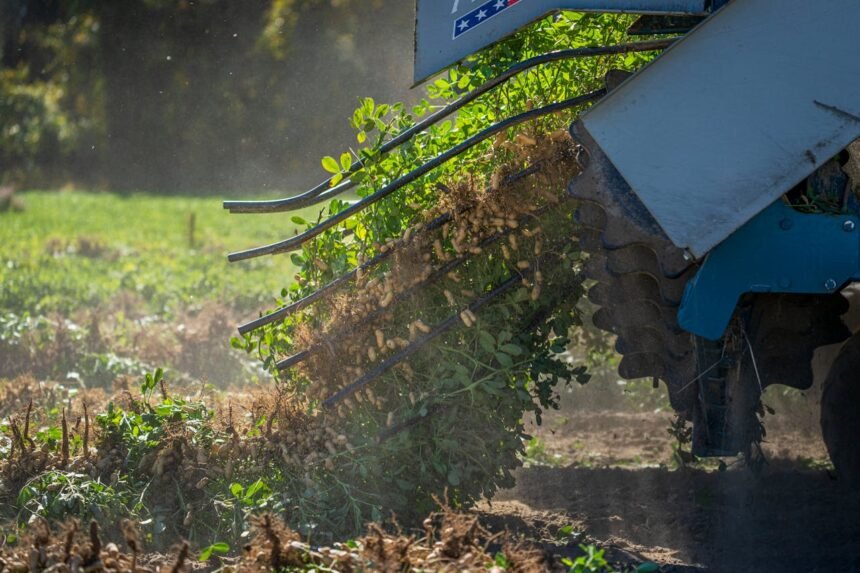
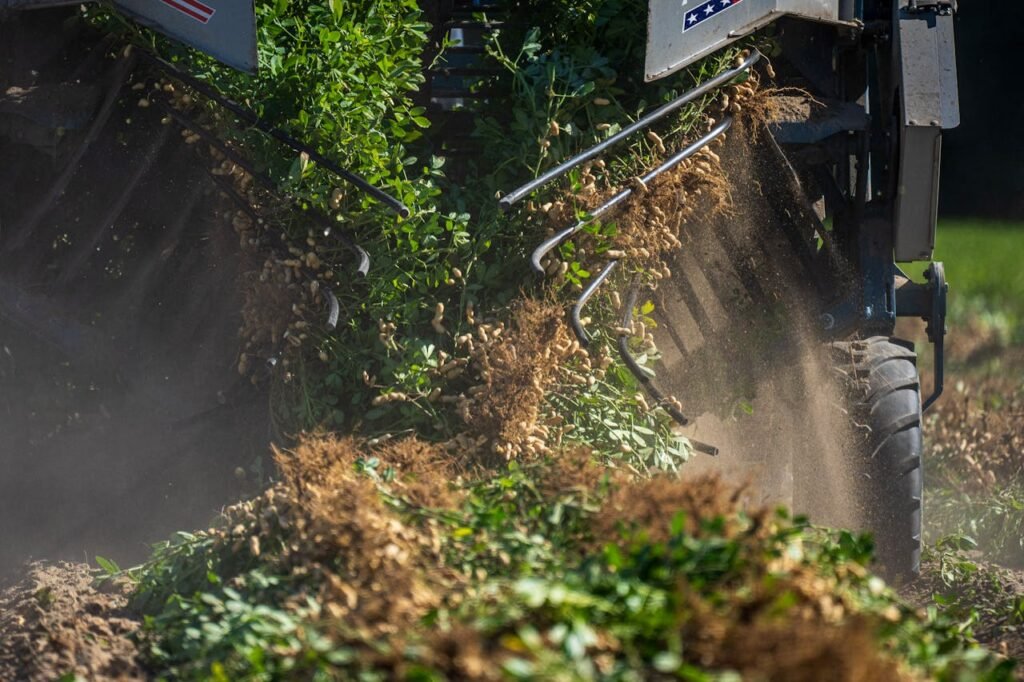
These traditional rainforest crops are typically harvested by hand. This low-impact method contrasts sharply with industrial farming. For those interested in the equipment used in standard farming, we discuss Essential Peanut Harvesting Tools for Small-Scale Growers in a separate piece.
By supporting the Shuar and other indigenous groups, consumers help maintain biodiversity. The Food and Agriculture Organization (FAO) emphasises that indigenous food systems are often reservoirs of biodiversity and climate-resilient crops.
Culinary Uses and Preparation
Jungle peanuts have a distinct taste—fresher, more vegetative, and less “roasted” than the peanuts found in a jar. They are incredibly versatile in the kitchen.
Raw vs. Roasted
Most jungle peanuts are sold raw or air-dried. Eating them this way preserves the raw jungle peanuts benefits. However, if you prefer a different texture, you can lightly toast them. For those who enjoy the intense flavour of roasted nuts, you might want to read about Dry Roasted Peanuts: A Heart-Healthy Snack Choice.
Making Jungle Peanut Butter
Due to their low moisture and high oil content, jungle peanuts make exceptionally creamy nut butter. Simply blending them with a pinch of salt results in a premium spread that rivals any gourmet brand.
Baking and Flour
You can also grind these nuts into a meal for gluten-free baking. This is similar to the process described in our article on Roasted Peanut Flour: Gluten-Free Baking and Nutritional Gains.
Tips for Buying and Storing
When looking to purchase jungle peanuts, verification is key. Look for certifications that confirm they are wild-harvested and organic.
- Check for “Wild” Labelling: Ensure the packaging specifies they are wild heirloom or jungle peanuts.
- Inspect Freshness: They should smell sweet and earthy, never musty.
- Storage: Because they are rich in oils, keep them in the fridge or freezer to prevent rancidity.
If you are struggling to find them or want to explore other bulk buying options for traditional recipes, check out Where to Buy Green Peanuts Bulk for Traditional Recipes.
Potential Risks and Allergens
Despite their wild purity, jungle peanuts are still legumes. The NHS warns that peanut allergies can be severe. Even if a peanut is wild or organic, the allergenic proteins are still present. Always exercise caution if you have a known sensitivity to legumes.
Furthermore, while they are often lower in moulds, no crop is entirely immune. Purchasing from reputable suppliers who test for quality is essential.
Comparisons with Other Varieties
How do jungle peanuts compare to the sweet varieties we know?
- Valencia Peanuts: Known for sweetness and typically having three or more kernels per shell. Learn more in A Guide to Valencia Peanuts: Sweetness and Nutrition Profile.
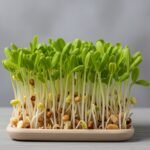
- Sprouts: Jungle peanuts can be sprouted to enhance nutrient absorption, similar to the process detailed in Peanut Sprouts: The New Superfood You Should Try.
Growing Your Own
Can you grow jungle peanuts in a home garden? It is challenging outside of tropical zones, but not impossible with a greenhouse. They require a long, warm growing season. For general advice on starting your own crop, refer to Growing Your Own: Best Practices for Organic Peanut Seeds.
Gardeners should also note that the waste from any peanut crop makes excellent fertiliser. Read about Peanut Shell Compost: Turning Waste into Nutrient-Rich Soil to complete the sustainability cycle.
The Bottom Line
Jungle peanuts offer a fascinating intersection of history, ecology, and nutrition. As wild heirloom peanuts, they provide a robust alternative to commercial varieties, boasting a rich profile of magnesium, oleic acid, and essential amino acids.
Whether you are drawn to them for their aflatoxin-free nuts reputation or their status as Amazonian superfoods, incorporating them into your diet supports both your health and sustainable peanut farming practices in the Amazon. While they may come at a higher price point, the density of nutrients and the preservation of traditional rainforest crops make them a worthy addition to a health-conscious pantry.
For more information on nutrient data, the USDA FoodData Central is an invaluable resource for comparing the raw nutrient profiles of different legume varieties. Additionally, general wellness resources like Healthline often discuss the broader benefits of incorporating varied plant proteins into your diet. Finally, for advice on heart health and diet, the Mayo Clinic remains a top authority.