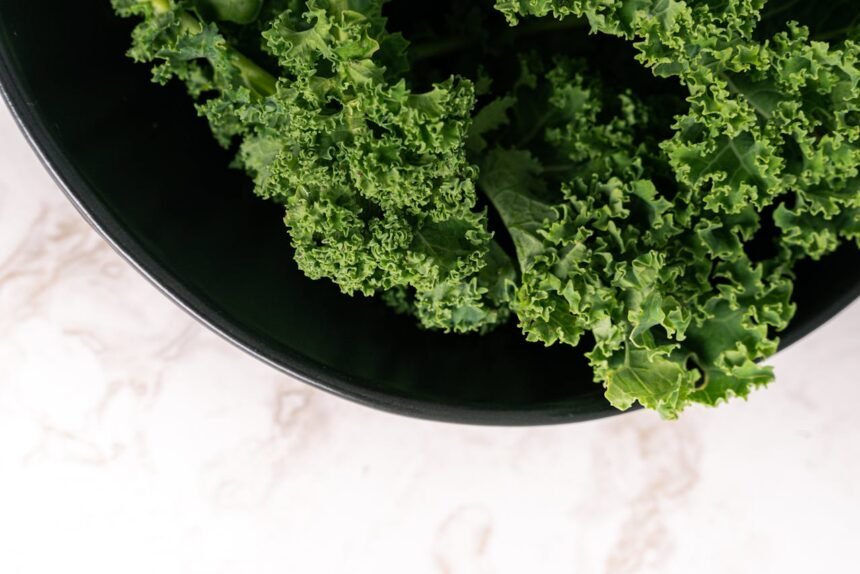
In the world of superfoods, kale has long reigned supreme. Packed with vitamins, minerals, and antioxidants, it is a staple in salads, smoothies, and grain bowls across the globe. However, for individuals prone to kidney stones, the rise of leafy greens has brought about a parallel rise in anxiety regarding oxalates. A common misconception suggests that because spinach is high in oxalates, kale must be too, leading many to unnecessarily eliminate this nutritious vegetable from their diets.
Kidney stones are a painful condition affecting millions of people, and diet plays a pivotal role in their formation and prevention. While it is true that certain plant compounds can contribute to stone formation, the story is nuanced. Understanding the specific oxalate content of kale compared to other greens, and learning how to pair foods correctly, can empower you to maintain a kidney-friendly diet without sacrificing nutrition.
This article explores the relationship between kale, oxalates, and kidney stones, providing evidence-based strategies to manage your risk while enjoying a varied, plant-forward diet.
Understanding Kidney Stones: The Basics
Kidney stones are hard deposits made of minerals and salts that form inside your kidneys. They have many causes and can affect any part of your urinary tract—from your kidneys to your bladder. Often, stones form when the urine becomes concentrated, allowing minerals to crystallize and stick together.
Types of Kidney Stones
Not all kidney stones are the same. Knowing the type of stone you have formed in the past is the first step toward prevention. According to the National Institute of Diabetes and Digestive and Kidney Diseases (NIDDK), the four main types are:
- Calcium Oxalate Stones: The most common type. These form when calcium combines with oxalate in the urine.
- Uric Acid Stones: Common in people who don’t drink enough fluids or who eat a high-protein diet.
- Struvite Stones: Often form in response to an infection.
- Cystine Stones: Linked to a hereditary disorder.
Since calcium oxalate stones are the most prevalent, dietary management often focuses on controlling oxalate intake and ensuring proper calcium absorption. If you are unsure about your specific condition, reading our guide on understanding kidney function can provide a helpful baseline.
What Are Oxalates?
Oxalic acid, or oxalate, is a naturally occurring compound found in many plants. These include leafy greens, vegetables, fruits, cocoa, nuts, and seeds. In plants, oxalate binds to minerals like calcium to form crystals, which serve as a defense mechanism against pests.
When humans consume these foods, the oxalates can bind to calcium in the gut and are excreted in the stool. However, if they do not bind to calcium in the intestines, they travel to the kidneys. There, they can eventually bind with calcium in the urine to form crystals, which may grow into stones.
It is important to note that the body also produces oxalates on its own as a waste product. Research published in PubMed suggests that for some individuals, endogenous (body-produced) oxalate may contribute significantly to the total oxalate load, meaning diet is only one piece of the puzzle.
The Kale vs. Spinach Debate
This is where the confusion often lies. Because spinach is famously high in oxalates, many assume kale falls into the same category. However, nutritional analysis tells a different story.
The Oxalate Content of Kale
Kale is actually considered a low-to-moderate oxalate food. While 100 grams of raw spinach may contain upwards of 600-900mg of oxalates, the same amount of kale typically contains roughly 20mg to 100mg, depending on the variety and soil conditions. This is a massive difference.
For most people, including those at risk for stones, kale can be consumed safely in moderation. In contrast, spinach is often restricted on a strict low-oxalate diet. You can learn more about other nutrient-dense vegetables in our article on the benefits of leafy greens.
Dietary Strategies to Prevent Calcium Oxalate Stones
Managing kidney stone risk is not just about elimination; it is about balance and chemistry within the body. Here are the most effective, evidence-based strategies.
1. Pair Calcium with Oxalates
A common myth is that you should cut out calcium to prevent calcium stones. The opposite is true. If you eat a diet low in calcium, there is less calcium available in the digestive tract to bind with oxalate. This leaves the oxalate free to be absorbed into the bloodstream and eventually reach the kidneys.
The National Kidney Foundation recommends eating calcium-rich foods alongside oxalate-containing foods during the same meal. The calcium binds to the oxalate in the stomach and intestines, preventing it from getting to the kidneys.
Good pairings include:
- Kale salad with cheese or a yogurt dressing.
- Berry smoothie made with cow’s milk or fortified almond milk.
- Broccoli mixed with cheese.
For those who are lactose intolerant, exploring calcium supplements vs. food sources is essential to find the right balance.
2. Hydration is Key
The single most important preventive measure against all types of kidney stones is fluid intake. Water dilutes the substances in urine that lead to stones. According to the Urology Care Foundation, producing at least 2.5 liters of urine a day is ideal for stone formers.
Drinking water throughout the day helps flush out minerals before they have a chance to settle and bond. If you struggle to drink plain water, consider adding lemon. Citrate, a salt in citric acid, binds to calcium and helps block stone formation. Check out our tips on hydration and health to keep your fluid intake up.
3. Watch Your Sodium Intake
High sodium intake can increase the amount of calcium in your urine. When there is extra calcium in the urine, it is more likely to bind with oxalate or phosphorus to form stones. The Centers for Disease Control and Prevention (CDC) warns that most Americans consume far more sodium than the recommended 2,300 mg per day.
To reduce risk, limit processed foods, canned soups, and fast food. Reducing salt is also beneficial for blood pressure and general heart health. For practical advice, read our guide on reducing sodium intake effectively.
4. The Role of Protein
Eating too much animal protein (red meat, poultry, eggs, and seafood) boosts the level of uric acid and could lead to kidney stones. A high-protein diet also reduces levels of citrate, the chemical in urine that helps prevent stones from forming.
This doesn’t mean you need to become a vegetarian, but moderating portion sizes is wise. Incorporating plant-based proteins is a great alternative. You can find inspiration in our anti-inflammatory diet resources.
High vs. Low Oxalate Foods
To navigate your diet effectively, it helps to know which foods are the heavy hitters regarding oxalate content. Remember, you do not need to eliminate these foods entirely unless advised by a doctor, but you should consume them mindfully.
High Oxalate Foods (Consume with Caution)
- Spinach
- Rhubarb
- Beets
- Almonds
- Miso
- Potato chips and french fries
If you consume these, be sure to drink plenty of water and pair them with calcium. Detailed lists are available from reputable sources like Cleveland Clinic.
Low to Moderate Oxalate Foods (Enjoy Freely)
- Kale (Curly and Lacinato)
- Bok Choy
- Broccoli
- Cabbage
- Cauliflower
- Cucumber
Integrating these vegetables ensures you still receive vital nutrients like Vitamin K, magnesium, and fiber. For ideas on how to mix these into beverages, look at our healthy smoothie recipes.
Cooking Methods Matter
How you prepare your greens can influence their oxalate content. Oxalates are water-soluble, meaning that some of the compound can leach out into cooking water.
Boiling and Steaming: Research published in the Journal of Agricultural and Food Chemistry indicates that boiling leafy greens can reduce oxalate content by 30% to 87%, while steaming is slightly less effective but still beneficial compared to eating them raw. If you are particularly sensitive to oxalates, boiling your kale and discarding the water is the safest preparation method.
However, keep in mind that boiling can also reduce other water-soluble vitamins like Vitamin C and B vitamins. It is a trade-off. To maintain a balanced nutrient profile, you might rotate between boiled and raw preparations, assuming your doctor approves. Learn more about preserving nutrients in our article on healthy cooking methods.
Gut Health and Oxalates
Emerging science suggests that the gut microbiome plays a significant role in oxalate handling. Certain bacteria, most notably Oxalobacter formigenes, use oxalate as a fuel source. These bacteria break down oxalate in the intestines before it can be absorbed into the bloodstream.
Antibiotic use or poor gut health can deplete populations of these beneficial bacteria, potentially increasing the risk of stone formation. A study in Nature Reviews Urology highlights the potential for probiotic therapies in the future. Until then, maintaining a healthy gut through a diverse diet is recommended. Read more about this in gut health essentials.
Supplements: A Word of Warning
While we often discuss dietary sources, supplements can be a hidden source of risk. Specifically, high doses of Vitamin C (ascorbic acid) can be problematic. The body converts Vitamin C into oxalate. A study in JAMA Internal Medicine found that men who took high-dose Vitamin C supplements had a significantly higher risk of developing kidney stones.
It is generally safer to get your Vitamin C from whole foods like citrus fruits and bell peppers rather than mega-dose supplements. If you are concerned about your vitamin levels, check our guide on vitamin D and calcium to understand safe supplementation practices.
When to See a Doctor
Dietary changes are powerful, but they are not a cure-all for acute conditions. If you experience severe pain in your back or side, blood in your urine, or fever and chills, you must seek medical attention immediately. These are signs of a passing stone or an infection.
Diagnosis usually involves imaging and urine tests. As outlined by the Mayo Clinic, a 24-hour urine collection test is often the gold standard for determining exactly why you are forming stones (e.g., too much oxalate, too little citrate, etc.).
Once you have a diagnosis, you can tailor your prevention plan. For general wellness tracking, knowing the signs of dehydration can prevent minor issues from becoming medical emergencies.
The Bottom Line
Kale is not the enemy of kidney health. In fact, for most people, it is a nutrient-dense, safe addition to a balanced diet, containing significantly fewer oxalates than spinach. The fear of oxalates should not discourage you from eating vegetables, as they are crucial for preventing other chronic diseases like heart disease and diabetes.
To manage kidney stone risk effectively:
- Stay hydrated (aim for 2.5+ liters of fluid daily).
- Pair oxalate-containing foods with calcium sources like dairy or fortified alternatives.
- Limit sodium and added sugars.
- Choose kale over spinach if you are at high risk.
- Consider boiling greens to reduce oxalate levels further.
Always consult with a healthcare provider or a renal dietitian before making drastic changes to your diet, especially if you have a history of stones. For further reading on standard guidelines, the American Urological Association offers comprehensive resources.
By taking a proactive, informed approach, you can enjoy the crunch of a kale salad without the fear of kidney stones.