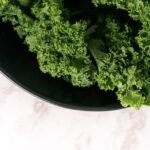
In the world of nutrition, few vegetables have achieved the celebrity status of kale. Hailed as a nutrient-dense superfood, it is a staple in salads, smoothies, and health-conscious meal plans globally. However, for the millions of people living with thyroid conditions, specifically hypothyroidism and Hashimoto’s thyroiditis, kale has become a subject of confusion and concern. The debate centers on compounds called goitrogens, which are naturally occurring substances found in many plant-based foods that can potentially interfere with thyroid function.
If you are managing an underactive thyroid, you might have heard advice to avoid cruciferous vegetables entirely. This blanket recommendation often leaves patients feeling restricted and confused about what constitutes a healthy autoimmune diet. The truth, as is often the case in nutritional science, is more nuanced than a simple “eat this, not that” rule. To make informed dietary choices, it is essential to understand the biological mechanisms at play and how preparation methods can alter the chemical composition of your food.
This article explores the relationship between kale and thyroid health, examining the science behind goitrogens, the role of iodine, and how you can safely enjoy this leafy green without compromising your hormone balance.
What Are Goitrogens and How Do They Work?
To understand the kale controversy, we must first define goitrogens. These are substances that can disrupt the production of thyroid hormones by interfering with the thyroid gland’s uptake of iodine. Iodine is a critical mineral; without it, the thyroid cannot synthesize thyroxine (T4) and triiodothyronine (T3), the hormones responsible for regulating metabolism.
Goitrogens are found in a variety of foods, but they are most concentrated in cruciferous vegetables, a family that includes kale, broccoli, cauliflower, Brussels sprouts, and cabbage. According to the National Institute of Diabetes and Digestive and Kidney Diseases (NIDDK), prolonged interference with iodine uptake can lead to the enlargement of the thyroid gland, known as a goiter, and a slowdown in hormone production.
The primary goitrogenic compounds in kale are glucosinolates. When raw kale is chopped or chewed, an enzyme called myrosinase breaks down these glucosinolates into active metabolites, such as goitrin and thiocyanate. It is these metabolites that can compete with iodine. However, the mere presence of these compounds does not guarantee thyroid dysfunction. The clinical impact largely depends on the total amount consumed and the individual’s existing iodine status.
The Role of Iodine Deficiency
The interaction between kale and the thyroid cannot be viewed in isolation; it must be contextualized with your iodine intake. Research suggests that goitrogens primarily pose a risk when a person is already suffering from an iodine deficiency. When iodine levels are sufficient, the thyroid is generally robust enough to handle normal amounts of goitrogenic foods.
If you are concerned about your mineral levels, it is helpful to review foods high in iodine to ensure you are meeting your daily requirements. The American Thyroid Association emphasizes that while severe iodine deficiency is rare in the United States due to iodized salt, mild deficiency can occur, particularly in those following restrictive diets (such as veganism) or those who consume non-iodized sea salts exclusively.
Raw vs. Cooked: Why Preparation Matters
One of the most critical factors in the kale-thyroid equation is how the vegetable is prepared. The biochemical process that turns glucosinolates into thyroid-suppressing goitrin relies on the enzyme myrosinase. The good news for kale lovers is that myrosinase is heat-sensitive.
Cooking methods that reduce goitrogens include:
- Steaming: Lightly steaming kale significantly reduces enzyme activity while preserving other vital nutrients like Vitamin C.
- Boiling: Boiling is highly effective at leaching goitrogens out of the vegetable and into the water. However, this method may also reduce the mineral content.
- Sautéing: Cooking kale in a pan with healthy fats can deactivate the enzymes responsible for goitrogenic conversion.
A study published in the database of the National Institutes of Health (NIH) indicates that cooking cruciferous vegetables can reduce their goitrogenic potential by significantly lowering the concentration of active goitrin. Therefore, eating a warm kale side dish is metabolically different from consuming a large raw kale salad. For those navigating Hashimoto’s disease management, prioritizing cooked vegetables over raw ones is a simple, effective strategy to minimize risk.
Quantifying the Risk: How Much is Too Much?
Is the fear of kale exaggerated? For the vast majority of people, the answer is yes. Scientific literature suggests that you would need to consume an excessive amount of raw kale—likely several pounds daily for months—to induce thyroid dysfunction in the presence of adequate iodine. There have been rare case reports of “coma by kale,” but these involved individuals consuming extreme quantities of raw bok choy or kale juice to the exclusion of other foods.
For the average person eating a serving of kale a few times a week, the benefits likely outweigh the risks. However, bio-individuality plays a role. If you are experiencing symptoms of hypothyroidism despite medication, it may be worth keeping a food diary to see if high intakes of raw crucifers correlate with fatigue or brain fog.
The Nutritional Benefits of Kale for Thyroid Patients
Eliminating kale entirely means missing out on a powerhouse of nutrition that can actually support overall health and thyroid function. Kale is packed with micronutrients that are essential for the body’s inflammatory response and energy production.
Key Nutrients in Kale:
- Vitamin A: Essential for immune function and cellular health.
- Vitamin C: A potent antioxidant that helps combat oxidative stress, which is often elevated in autoimmune thyroid conditions.
- Magnesium: Critical for over 300 enzymatic reactions in the body.
- Fiber: Supports gut health. There is a strong link between gut health and thyroid function, as a portion of T4 is converted to the active T3 hormone in the gut.
Furthermore, kale is a source of calcium and potassium. According to the U.S. Department of Agriculture (USDA) FoodData Central, a single cup of raw kale provides more than 100% of the daily value for Vitamin K. By strictly avoiding this vegetable, patients might inadvertently lower their intake of these vital nutrients.
Dietary Strategies for Hypothyroidism
Rather than focusing on elimination, a thyroid-friendly diet should focus on balance and nutrient density. Supporting your thyroid goes beyond watching out for goitrogens; it involves nourishing the gland with the co-factors it needs to function.
1. Prioritize Selenium
Selenium is a trace mineral required for the conversion of T4 into the active T3 hormone. It also acts as an antioxidant to protect the thyroid gland. You can read more about the specific benefits of selenium for thyroid health in our detailed guide. Sources include Brazil nuts, sardines, and grass-fed beef.
2. Monitor Soy and Gluten
While kale often gets the bad reputation, other foods may be more problematic. Soy contains isoflavones which can inhibit thyroid peroxidase, an enzyme required for hormone synthesis. Gluten is another common trigger for those with Hashimoto’s due to molecular mimicry. Adopting healthy meal prep ideas that are naturally gluten-free and low in processed soy is often more beneficial than cutting out green vegetables.
3. Nutrient Timing with Medication
If you take levothyroxine or other thyroid replacement medications, absorption is key. The Mayo Clinic advises taking thyroid medication on an empty stomach, at least 30 to 60 minutes before breakfast. High-fiber foods like kale, walnuts, and soybean flour can interfere with the absorption of these drugs if eaten immediately after taking the pill. It is best to consume your fiber-rich meals at lunch or dinner, or at least four hours apart from your medication.
Practical Tips for Eating Kale Safely
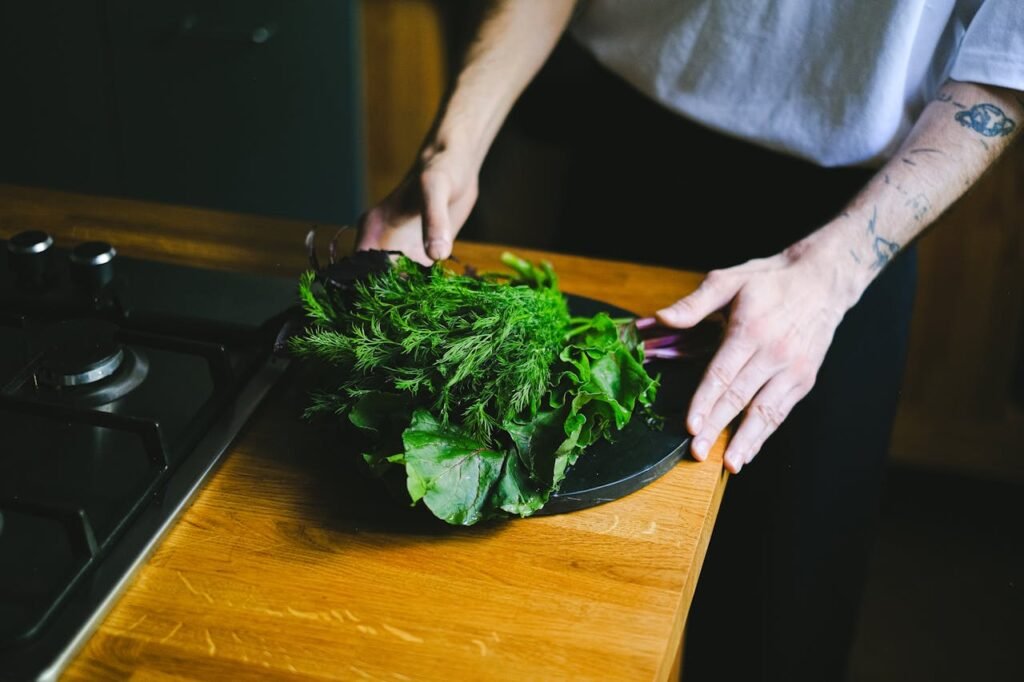
If you have hypothyroidism but love kale, you do not have to break up with this superfood. Follow these practical guidelines to ensure safety:
- Cook It: Steam, sauté, roast, or boil kale to deactivate myrosinase.
- Moderate Raw Intake: If you enjoy raw kale salads or smoothies, limit them to once or twice a week and keep portion sizes reasonable (1 cup or less).
- Pair with Iodine: Ensure your diet includes sources of iodine like seaweed, fish, dairy, or iodized salt.
- Diversify Your Greens: Don’t rely solely on kale. Rotate with spinach, chard, arugula, and romaine, which are non-goitrogenic. You can learn more about this in our guide to cruciferous vegetables.
When to Consult a Professional
While general advice works for most, thyroid conditions are complex. If your TSH levels remain unstable despite medication compliance, or if you have a palpable goiter, it is crucial to consult an endocrinologist or a registered dietitian. The Endocrine Society provides resources for finding specialists who can help tailor a diet to your specific pathology.
Additionally, stress management plays a huge role in hormonal health. High cortisol levels can suppress thyroid function. Incorporating stress management techniques alongside a balanced diet creates a holistic approach to wellness.
Broccoli, Brussels Sprouts, and Cauliflower
Kale isn’t the only vegetable under the microscope. Broccoli, cauliflower, and Brussels sprouts contain similar compounds. The advice remains consistent across the board: cooking these vegetables makes them safe for the vast majority of thyroid patients. According to Harvard Health Publishing, the health benefits of eating cruciferous vegetables—such as cancer prevention and cardiovascular health—far outweigh the minimal risk of thyroid interference for those with adequate iodine intake.
If you are looking to boost your vitality, consider looking into the best vitamins for energy to supplement your dietary efforts. Fatigue is a common complaint among thyroid patients, and sometimes dietary tweaks alone aren’t enough to fully restore energy levels.
The Bottom Line
Can you eat kale with hypothyroidism? The short answer is yes. Kale is a nutrient-dense food that offers numerous health benefits, including high levels of antioxidants, vitamins, and fiber. The concern regarding its goitrogenic properties is largely relevant only in the context of raw, excessive consumption combined with iodine deficiency.
For most people managing hypothyroidism or Hashimoto’s, moderate consumption of kale—especially when cooked—is perfectly safe and encouraged. By steaming your greens and maintaining adequate iodine intake, you can enjoy the health perks of this superfood without sabotaging your thyroid health.
Remember, a healthy thyroid relies on a holistic lifestyle. This includes proper medication management, stress reduction, and a varied diet rich in whole foods. For more information on managing chronic conditions, refer to the clinical guidelines provided by the Centers for Disease Control and Prevention (CDC) regarding nutrition and chronic disease prevention.
Disclaimer: This article is for informational purposes only and does not constitute medical advice. Always consult with your healthcare provider before making significant changes to your diet or medication regimen.