In the world of nutrition, few vegetables have experienced a surge in popularity quite like kale. Once primarily used as a garnish for salad bars, this leafy green member of the Brassica family has cemented its status as a nutritional powerhouse. While it is widely celebrated for its weight management benefits and high vitamin content, its specific impact on cardiovascular health is profound. Emerging research and established nutritional science suggest that incorporating kale into your diet can play a pivotal role in managing two of the most significant risk factors for heart disease: high cholesterol and high blood pressure.
Cardiovascular disease (CVD) remains the leading cause of death globally, according to the World Health Organization. Modifiable lifestyle factors, particularly diet, are the first line of defense against heart issues. This article dives deep into the mechanisms by which kale supports heart health, exploring its nutrient density, its ability to bind bile acids to lower LDL cholesterol, and its electrolyte profile that supports healthy blood pressure levels.
The Nutritional Profile of Kale
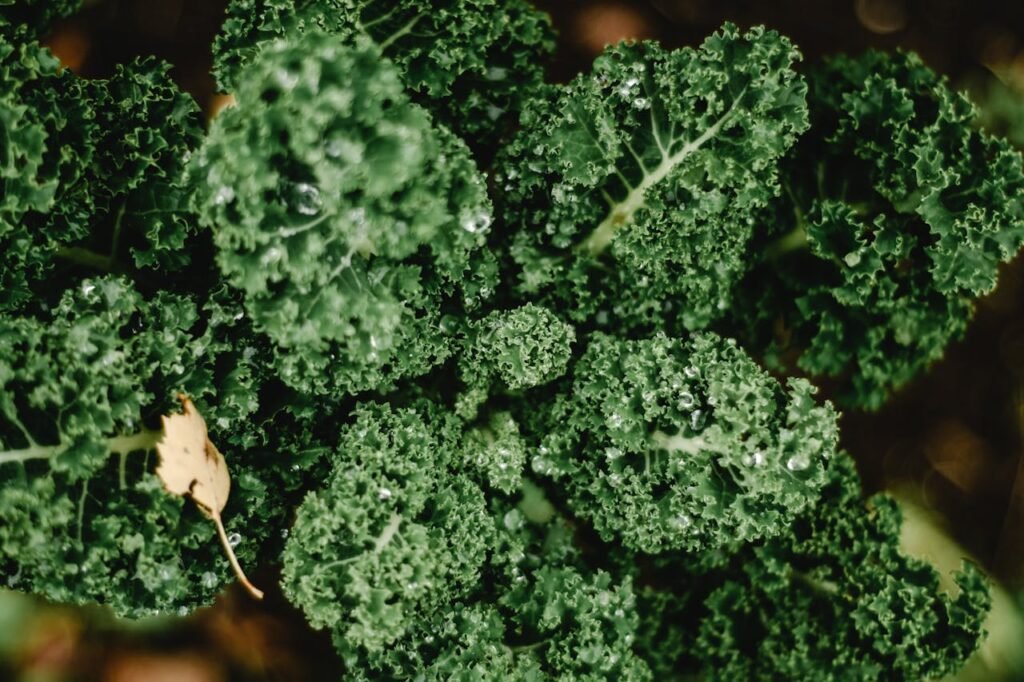
To understand why kale is so beneficial for the heart, we must first look at what is inside those crinkly dark leaves. Kale is nutrient-dense, meaning it provides a high amount of vitamins and minerals for very few calories. It is loaded with antioxidants, fiber, Vitamin K, Vitamin C, and essential minerals like potassium and magnesium.
According to data from the U.S. Department of Agriculture (USDA), a single cup of raw kale contains significant amounts of Vitamin A, Vitamin K, and Vitamin C, along with manganese, copper, and calcium. However, for heart health specifically, the interplay between fiber, potassium, and antioxidants is where the magic happens. These nutrients work synergistically to reduce inflammation and improve arterial function.
If you are looking to overhaul your nutrition, understanding the benefits of dietary fiber is a great place to start, as fiber is a key component in kale’s cholesterol-lowering capabilities.
Kale and Cholesterol: The Bile Acid Connection
High cholesterol, specifically elevated levels of Low-Density Lipoprotein (LDL), is a major precursor to atherosclerosis—the hardening and narrowing of arteries. When there is too much cholesterol in the blood, it builds up in the walls of your arteries, causing blockages that can lead to a heart attack or stroke.
How Fiber Lowers Cholesterol
Kale contains substances that can bind bile acids in the digestive system. Bile acids are produced by the liver using cholesterol and are necessary for the digestion of fats. When you eat kale, the fiber binds to these bile acids and prevents them from being reabsorbed into the bloodstream. As a result, this complex is excreted from the body via stool.
To replace the lost bile acids, the liver must pull more cholesterol from the blood to generate new bile. This process effectively lowers the total amount of circulating cholesterol in your body. This mechanism is similar to how some cholesterol-lowering medications, known as cholestyramine, work, albeit to a lesser degree.
For a deeper dive into managing lipids, you might want to read our guide on understanding high cholesterol and the lifestyle changes that affect it.
Raw vs. Steamed Kale
Interestingly, the preparation method matters. While raw kale is healthy, studies have shown that steamed kale increases the bile acid-binding effect. A study published by the National Institutes of Health (PubMed) indicated that steam cooking significantly improves the bile acid binding of collard greens, kale, and mustard greens compared to their raw counterparts. This suggests that lightly cooking your kale might be more beneficial for your cholesterol profile than eating it raw in a salad.
Finding the right way to prepare vegetables is crucial for nutrient absorption. Check out our article on healthy cooking methods to ensure you are getting the most out of your produce.
Kale and Blood Pressure Regulation
Hypertension, or high blood pressure, forces the heart to work harder to pump blood to the rest of the body. Over time, this causes the left ventricle to thicken and stiffen, increasing the risk of heart attack and heart failure. Diet plays a massive role in blood pressure regulation, specifically the balance between sodium and potassium.
The Power of Potassium
The modern Western diet is typically high in sodium and low in potassium, a combination that paves the way for hypertension. Potassium is a mineral that helps your body get rid of sodium and eases tension in your blood vessel walls. The American Heart Association recommends increasing potassium intake to help manage blood pressure.
Kale is an excellent source of potassium. By incorporating potassium-rich foods like kale into your daily routine, you help counteract the effects of sodium. For more ideas on what to eat, review our list of top foods for blood pressure management.
Magnesium and Calcium
Beyond potassium, kale also provides magnesium and calcium, both of which are critical for blood pressure health. Magnesium acts as a natural calcium channel blocker, helping blood vessels relax. Many people do not meet their daily magnesium requirements, making kale a smart addition to fill that nutritional gap.
Nitrates and Vasodilation
Like beetroot and spinach, kale contains dietary nitrates. When consumed, these nitrates are converted into nitric oxide, a molecule that signals blood vessels to dilate (widen), improving blood flow and lowering pressure. While beetroot is the most famous source, leafy greens like kale contribute significantly to this pathway.
Antioxidants and Inflammation
Heart disease is increasingly understood as an inflammatory condition. Oxidative stress, caused by an imbalance between free radicals and antioxidants, can damage blood vessels and oxidize LDL cholesterol, making it more likely to form plaque.
Kale is rich in powerful antioxidants, including quercetin and kaempferol. These substances have potent heart-protective effects. They help lower blood pressure, act as anti-inflammatories, and protect the heart against viral infections. According to research highlighted by the National Center for Biotechnology Information, quercetin supplementation has been linked to reductions in blood pressure in hypertensive patients.
By fighting oxidative stress, kale helps preserve the integrity of the endothelium (the lining of the blood vessels). To learn more about this mechanism, read our article on antioxidants and oxidative stress.
Kale and Vitamin K: A Crucial Consideration
Kale is one of the world’s best sources of Vitamin K1. This vitamin is essential for blood clotting. While clotting is necessary to stop bleeding after an injury, there is also evidence that Vitamin K-dependent proteins play a role in preventing the calcification of arteries.
However, because Vitamin K promotes clotting, it interacts with blood-thinning medications like Warfarin (Coumadin). The Mayo Clinic advises that consistency is key; you don’t necessarily need to avoid kale, but you must keep your intake consistent day-to-day to allow your doctor to dose your medication correctly. Always consult your healthcare provider about Vitamin K and blood clotting risks if you are on medication.
Incorporating Kale into a Heart-Healthy Diet
Adding kale to your diet doesn’t have to be a chore. It is a versatile vegetable that can be adapted to various cuisines. It fits perfectly into the DASH diet guide, which stands for Dietary Approaches to Stop Hypertension, as well as the Mediterranean diet.
Practical Preparation Tips
- Massaged Kale Salads: If you find raw kale too tough or bitter, try massaging the leaves with a little olive oil and lemon juice. This breaks down the fibrous cell walls, making it tender and easier to digest.
- Smoothies: You can blend a cup of kale into a fruit smoothie. The sweetness of bananas or berries easily masks the taste of the greens.
- Soups and Stews: Kale holds up well in soups. Unlike spinach, which wilts away to nothing, kale maintains some texture.
- Kale Chips: Baking kale leaves with a sprinkle of nutritional yeast and garlic powder creates a crunchy, savory snack that replaces high-sodium potato chips.
Adopting an anti-inflammatory diet involves more than just one vegetable, but kale is a cornerstone ingredient for such a lifestyle.
Potential Downsides and Precautions
While kale is a superstar, it is important to consume it wisely. We have already mentioned the Vitamin K interaction for those on blood thinners. Additionally, kale contains goitrogens, which can interfere with thyroid function if consumed in very large amounts, particularly in people with compromised thyroid health.
However, cooking kale largely deactivates these goitrogens. For the vast majority of the population, moderate consumption of both raw and cooked kale is safe and beneficial. According to the Cleveland Clinic, the benefits of eating cruciferous vegetables far outweigh the potential risks for most people.
Furthermore, because kale is high in fiber, introducing it too quickly into a low-fiber diet can cause digestive gas and bloating. It is best to increase your fiber intake gradually and drink plenty of water. If you are struggling with diet changes, check out our tips on managing heart disease through sustainable lifestyle adjustments.
Scientific Consensus on Leafy Greens
The scientific community is largely in agreement regarding the benefits of leafy greens. A meta-analysis published in the Lancet found that high intake of vegetables was associated with a reduced risk of heart attack, stroke, and cardiovascular mortality. The specific combination of nitrates, fiber, and micronutrients makes greens like kale irreplaceable.
The Centers for Disease Control and Prevention (CDC) emphasizes that eating a diet rich in fresh fruits and vegetables is a primary strategy for preventing heart disease. By choosing nutrient-dense options like kale, you get “more bang for your buck” nutritionally speaking.
Conclusion
Kale is far more than a trendy garnish; it is a legitimate tool in the fight against heart disease. Its ability to lower cholesterol through bile acid binding, combined with its blood pressure-lowering electrolytes and artery-protecting antioxidants, makes it a triple threat against cardiovascular issues. Whether you choose to steam it, sauté it, or massage it into a salad, the inclusion of this cruciferous vegetable can lead to measurable improvements in your heart health markers.
If you are looking for more ways to optimize your nutrition, consider reading our article on the benefits of chlorophyll, the pigment that gives kale its green color and offers its own set of health advantages.
The Bottom Line
Improving heart health is often about accumulation—small, consistent positive choices that add up over time. Adding kale to your weekly rotation is one of those high-impact choices. It addresses the two “silent killers” of heart health: cholesterol and blood pressure.
Key Takeaways:
- Cholesterol Control: The fiber in kale binds to bile acids, prompting the liver to use up cholesterol to make more, thereby lowering circulating LDL levels.
- Blood Pressure Support: High potassium and magnesium content helps relax blood vessels and excrete excess sodium.
- Preparation Matters: Steaming kale may enhance its cholesterol-lowering properties compared to eating it raw.
- Consult Your Doctor: If you take blood thinners like Warfarin, discuss your kale intake with your healthcare provider to maintain consistent Vitamin K levels.
For further reading on maintaining a healthy renal system which regulates blood pressure, visit the National Kidney Foundation for guidelines on potassium intake.