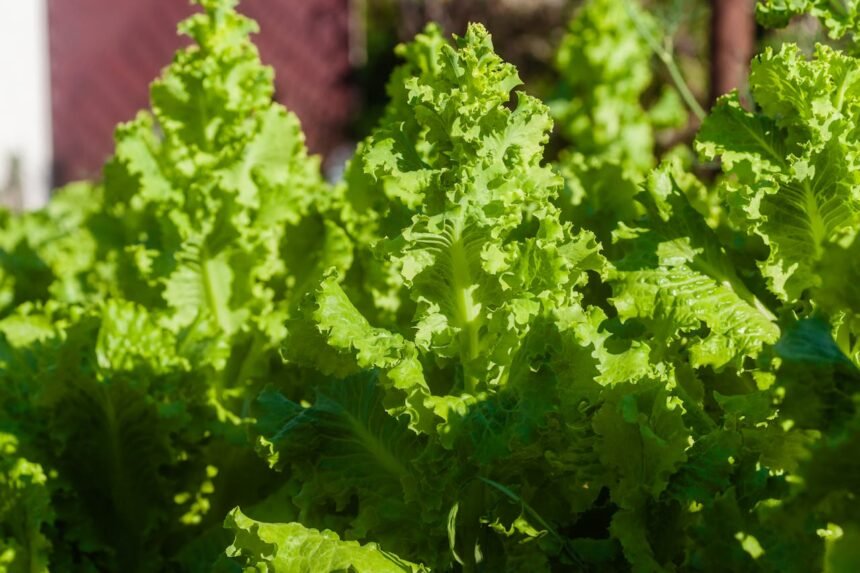
In the world of wellness trends and nutritional powerhouses, few vegetables have held the spotlight quite as long as kale. Once used primarily as a decorative garnish for salad bars, this cruciferous vegetable has transformed into a staple of the modern health-conscious diet. While kale salads and chips remain popular, kale juice has emerged as a convenient method to consume a concentrated dose of nutrients quickly. Often dubbed “liquid gold” by enthusiasts, kale juice is frequently touted for its potential to boost energy, detoxify the body, and improve skin health.
However, extracting the liquid from this fibrous leafy green changes how your body processes it compared to eating it whole. While the nutrient density is undeniable, navigating the hype requires a closer look at the science. Is drinking kale juice superior to eating the leaves? Are there risks associated with consuming it daily? Understanding the nuance is essential for incorporating it safely into your routine. If you are looking to revamp your diet, you might also be interested in our guide on starting a plant-based diet effectively.
The Nutritional Profile of Kale Juice
Kale is a member of the Brassica family, sharing lineage with broccoli, cauliflower, and Brussels sprouts. When juiced, the removal of fiber results in a liquid that is densely packed with vitamins and minerals. According to the U.S. Department of Agriculture (USDA), raw kale is loaded with vitamins A, K, and C, as well as essential minerals like manganese, calcium, and potassium.
One of the primary reasons people turn to kale juice is for its high concentration of Vitamin K. A single cup of juice can provide far more than your daily recommended intake. Vitamin K is crucial for blood clotting and bone metabolism. Furthermore, kale is an excellent source of beta-carotene, an antioxidant that the body converts into Vitamin A to support immune function and vision. If you are concerned about your overall nutrient intake, read more about identifying common nutrient deficiencies.
It is also rich in bioactive compounds such as glucosinolates, which are broken down into biologically active compounds like indoles and isothiocyanates. These compounds are frequently studied by the National Cancer Institute for their potential anticancer effects. However, because juicing removes the pulp, you lose the dietary fiber that regulates blood sugar and aids digestion. This trade-off is a critical factor to consider when replacing whole vegetables with juice.
Top Evidence-Based Benefits of Kale Juice
1. High Antioxidant Content Fighting Oxidative Stress
Oxidative stress occurs when there is an imbalance between free radicals and antioxidants in your body, leading to cell damage and chronic inflammation. Kale juice is a potent source of antioxidants, specifically flavonoids like quercetin and kaempferol. Research published in the National Center for Biotechnology Information (NCBI) highlights that these substances have powerful anti-inflammatory, anti-viral, and heart-protective effects.
Drinking kale juice provides a rapid delivery of these antioxidants to your bloodstream. This can be particularly beneficial for athletes looking to reduce exercise-induced inflammation or individuals managing chronic inflammatory conditions. For more on managing inflammation through food, check out our article on the best anti-inflammatory foods to add to your grocery list.
2. Supports Heart Health and Cholesterol Management
Heart disease remains a leading cause of death globally. Interestingly, kale juice may offer specific benefits for cardiovascular health. Studies suggest that kale can help lower LDL (bad) cholesterol while increasing HDL (good) cholesterol. One mechanism involves bile acid sequestrants; kale contains substances that bind bile acids in the digestive system and prevent them from being reabsorbed, which forces the body to use cholesterol to produce more bile.
A study cited by the American Heart Association indicates that increasing vegetable intake is directly correlated with reduced risks of stroke and heart failure. The potassium content in kale juice also plays a role in maintaining healthy blood pressure levels by counteracting the effects of sodium. If you are monitoring your heart health, you should also be aware of natural ways to lower blood pressure.
3. Enhances Eye Health
As we age, our eyesight naturally deteriorates, often leading to conditions like macular degeneration and cataracts. Kale is one of the best natural sources of lutein and zeaxanthin, two carotenoid antioxidants found in large amounts in the human retina. These compounds act as a natural sunblock for the eyes, protecting them from harmful blue light and oxidative damage.
According to the National Eye Institute, diets rich in lutein and zeaxanthin are associated with a lower risk of age-related eye diseases. Drinking kale juice ensures you get a substantial dose of these nutrients without having to chew through large bowls of salad. For comprehensive eye care, learn about foods that improve vision naturally.
4. Promotes Healthy Skin and Hair
The high Vitamin C content in kale juice is essential for the synthesis of collagen, the most abundant protein in the body that provides structure to skin and hair. Collagen production naturally declines with age, leading to wrinkles and sagging skin. By providing the necessary co-factors for collagen synthesis, kale juice can help maintain skin elasticity and hydration.
Furthermore, the beta-carotene in kale helps protect the skin from UV damage. Many dermatologists emphasize the role of diet in skin health. To complement your dietary efforts, you might want to explore our guide on establishing a morning skincare routine.
5. Alkalizing and Detoxification Effects
While the concept of “detox” is often overstated in marketing, the liver and kidneys do rely on specific nutrients to filter toxins from the blood efficiently. The sulfur compounds in kale, specifically sulforaphane, support the body’s phase II detoxification pathways. This helps the liver neutralize toxins so they can be excreted safely.
However, it is vital to rely on scientific consensus rather than fads. The Centers for Disease Control and Prevention (CDC) emphasizes that a balanced diet is the best way to support organ function, rather than relying on juice cleanses alone. If you are interested in liver health, read our post on top foods for liver longevity.
Potential Downsides and Risks
Despite its superfood status, kale juice is not suitable for everyone, and consuming it in excessive amounts can lead to adverse health effects. It is a classic case of “too much of a good thing.”
1. Thyroid Function and Goitrogens
Raw kale contains goitrogens, substances that can interfere with the thyroid gland’s ability to uptake iodine. This interference can potentially lead to an enlarged thyroid (goiter) or exacerbate hypothyroidism. While cooking kale largely deactivates goitrogens, juicing typically uses raw kale, preserving these compounds.
According to the American Thyroid Association, most people with normal thyroid function can safely consume cruciferous vegetables in moderation. However, those with compromised thyroid function should be cautious. If you have thyroid concerns, it is wise to consult a doctor and perhaps read about dietary tips for hypothyroidism.
2. High Oxalate Content and Kidney Stones
Kale contains oxalates, natural compounds that bind to calcium. In some individuals, high oxalate intake can lead to the formation of calcium oxalate kidney stones. While kale has lower oxalate levels compared to spinach, concentrating it into a daily juice can significantly increase your intake.
The National Kidney Foundation advises that people prone to kidney stones should be mindful of high-oxalate foods and ensure they stay well-hydrated. If you have a history of stones, you may need to limit kale juice or mix it with calcium-rich foods to bind oxalates in the gut rather than the kidneys. Learn more about preventing kidney stones naturally.
3. Blood Clotting and Medication Interactions
Because kale is incredibly high in Vitamin K, it promotes blood clotting. This is generally beneficial, but it can be dangerous for people taking blood-thinning medications like warfarin (Coumadin). These drugs work by inhibiting Vitamin K; therefore, a sudden influx of Vitamin K from kale juice can render the medication ineffective.
Information from MedlinePlus suggests that consistency is key for those on anticoagulants. You don’t necessarily have to avoid kale, but you must keep your daily intake consistent and monitor your INR levels closely. Always check our guide on food and medication interactions before changing your diet significantly.
4. Digestive Distress
Kale contains a carbohydrate called raffinose, which can be difficult for some people to digest, leading to bloating, gas, and abdominal discomfort. While juicing removes the fiber, some of these complex sugars remain. Furthermore, the high concentration of sorbitol (a sugar alcohol) in some fruits mixed with kale juice can exacerbate IBS symptoms.
The National Institute of Diabetes and Digestive and Kidney Diseases suggests identifying trigger foods if you suffer from digestive issues. If you experience bloating after drinking kale juice, consider reducing the portion size. You might find our article on soothing digestive issues helpful.
Daily Limits: How Much is Too Much?
There is no official recommended daily allowance for kale juice, but moderation is the safest approach. Most nutritionists recommend rotating your greens. Instead of having kale juice every single day, alternate it with spinach, Swiss chard, cucumber, or celery juice. This prevents the buildup of any single anti-nutrient (like goitrogens or oxalates) and provides a broader spectrum of vitamins.
A safe guideline for most healthy adults is roughly 4 to 8 ounces of kale juice, 3 to 4 times a week. Listen to your body. If you notice fatigue, digestive upset, or cold sensitivity (potential thyroid symptoms), scale back. For a balanced approach to nutrition, review our weekly meal planning guide.
Juicing vs. Blending: Which is Better?
The debate between juicing (extracting liquid) and blending (smoothies) is ongoing. Mayo Clinic experts note that while juicing provides a concentrated nutrient hit, blending retains the fiber. Fiber is essential for gut health, satiety, and regulating the speed at which sugar enters the bloodstream.
If you use kale juice as a meal replacement, you may find yourself hungry quickly due to the lack of fiber and protein. Blending kale into a smoothie with protein powder, seeds, or yogurt often creates a more nutritionally complete meal. However, if you simply want a vitamin supplement alongside a breakfast, juice is an excellent option.
Tips for Making Kale Juice Palatable
Let’s be honest: pure kale juice can taste bitter and grassy. To make it enjoyable without compromising its health benefits, consider the following combinations:
- Add Citrus: Lemon or lime juice cuts through the bitterness and adds extra Vitamin C, which enhances iron absorption.
- Sweeten Naturally: Use green apples, carrots, or beets. These add sweetness without the massive sugar spike of fruit juice concentrates.
- Spice it Up: Ginger and turmeric not only improve the flavor but add their own anti-inflammatory properties.
- Hydrate: Dilute the juice with cucumber or celery, which have high water content and a milder flavor.
Always wash your produce thoroughly before juicing. The World Health Organization (WHO) highlights the importance of food safety to prevent foodborne illnesses, especially when consuming raw vegetables. You can find practical tips in our article on properly cleaning fruits and vegetables.
The Bottom Line
Kale juice is a nutrient-dense beverage that can serve as a powerful addition to a healthy diet. Its high levels of vitamins A, C, and K, along with potent antioxidants, support heart health, vision, and skin vitality. However, it is not a cure-all, and it carries potential risks regarding thyroid function and kidney stones if consumed in excess.
The key to reaping the benefits of kale juice lies in moderation and variety. Treat it as a supplement to a diet rich in whole foods rather than a replacement for them. By rotating your greens and listening to your body, you can enjoy the “liquid gold” without the downsides.